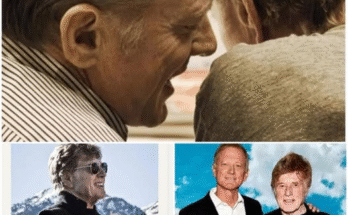
Some films fade; others linger like the echo of a song you can’t stop humming. The Way We Were (1973) belongs to the latter—a tender, tragic love story where passion meets politics, and timing becomes the cruelest villain. Starring Robert Redford and Barbra Streisand, it remains one of Hollywood’s most poignant romances.

At its heart, the film is about opposites—Katie Morosky, the fierce idealist, and Hubbell Gardiner, the golden boy who floats through life on charm and privilege. Their attraction is undeniable, but their worlds are destined to clash. What begins in admiration soon turns into heartbreak.
Barbra Streisand gives one of her most emotionally raw performances, layering Katie with conviction, insecurity, and impossible hope. Every look, every tremble in her voice carries the ache of a woman who loves too deeply and fights too hard to change what cannot be changed.
Robert Redford, as Hubbell, is the embodiment of quiet restraint—a man adored by everyone but unsure of what he truly wants. His silence speaks volumes; his smile hides a loneliness that only Katie ever sees. Together, they create a chemistry both electric and painful to watch.
Director Sydney Pollack frames their romance against a backdrop of war, McCarthyism, and the shifting moral tides of mid-century America. Politics isn’t just the setting—it’s the wedge that drives them apart. Idealism meets comfort, and love becomes the battleground.
The film’s soundtrack, featuring Streisand’s haunting rendition of “The Way We Were,” is pure nostalgia distilled into melody. Few songs have captured regret and memory with such elegance. It isn’t just a theme—it’s a confession sung straight from Katie’s heart.
What makes the film endure isn’t the grand gestures, but the quiet ones. The way she straightens his hair before saying goodbye. The way he looks back one last time. It’s love distilled to silence, to the things left unsaid.
By the final scene, when Katie whispers, “Your girl is lovely, Hubbell,” audiences around the world felt the weight of a love that couldn’t survive its own honesty. It’s a goodbye that says everything—affection, forgiveness, and finality all in one trembling smile.
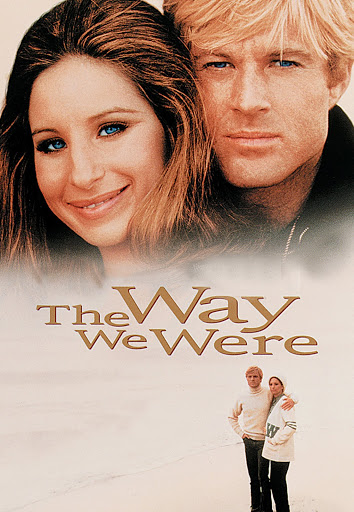
Critics called it bittersweet, but fans called it truth. The Way We Were doesn’t give you the fantasy of happily ever after—it gives you the reality of two people who loved profoundly but couldn’t live in the same world.
Decades later, the film still sparks debates about whether love alone can bridge ideology, ambition, and self-doubt. Maybe it can’t. Maybe that’s the point. Sometimes the most powerful love stories are the ones that end too soon.
The Way We Were remains timeless not because it comforts, but because it hurts. It reminds us that love can be real, even when it’s over—and that memory, no matter how painful, can still be beautiful.