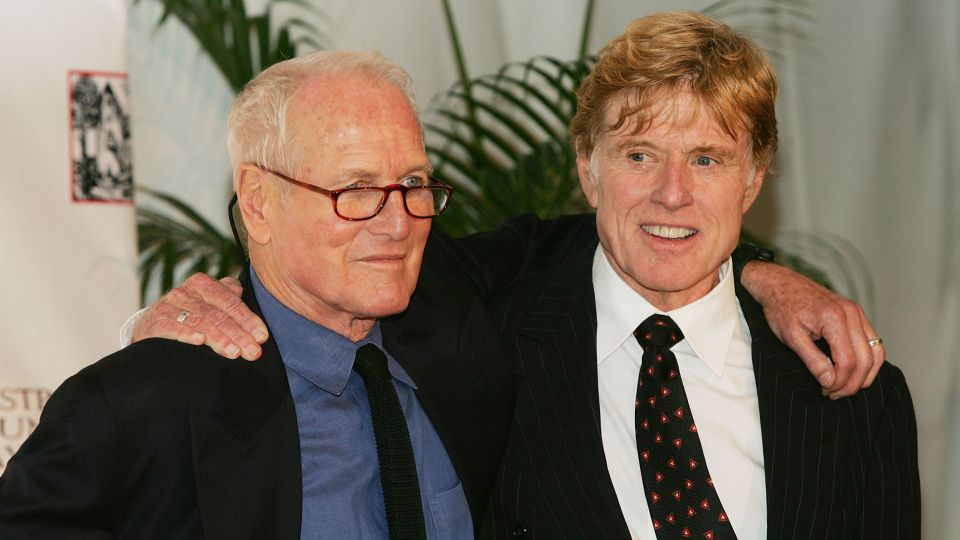
The death of Paul Newman in 2008 marked one of Hollywood’s most heartbreaking farewells — not just for film lovers, but for Robert Redford, who lost not a co-star, but the closest companion of his career and life. Their relationship was built on honesty, laughter, and a shared refusal to be swallowed by Hollywood’s illusions. When Newman passed, Redford offered only a short tribute — not because he lacked words, but because grief made words feel insufficient. “There is a point where feelings go beyond words,” he said, and in that sentence lived decades of friendship too meaningful to fully articulate.
Their story began not on screen, but in a moment of faith. In 1969, when Redford was still an unproven talent, Newman personally championed him for the role of the Sundance Kid. Studio executives doubted him; Newman refused to let them. That endorsement did more than change casting — it changed lives. It bonded two actors who saw past fame and found in each other someone steady, principled, and authentic. It was a partnership born before cameras rolled, built not on ego but trust. In Hollywood, where alliances shift like tides, this was something rare: loyalty without agenda.
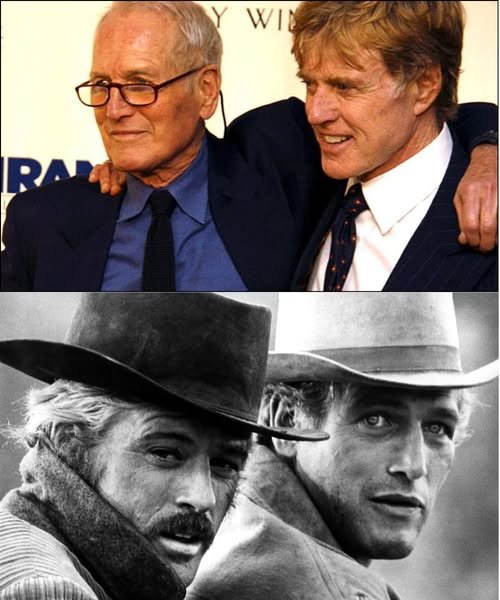
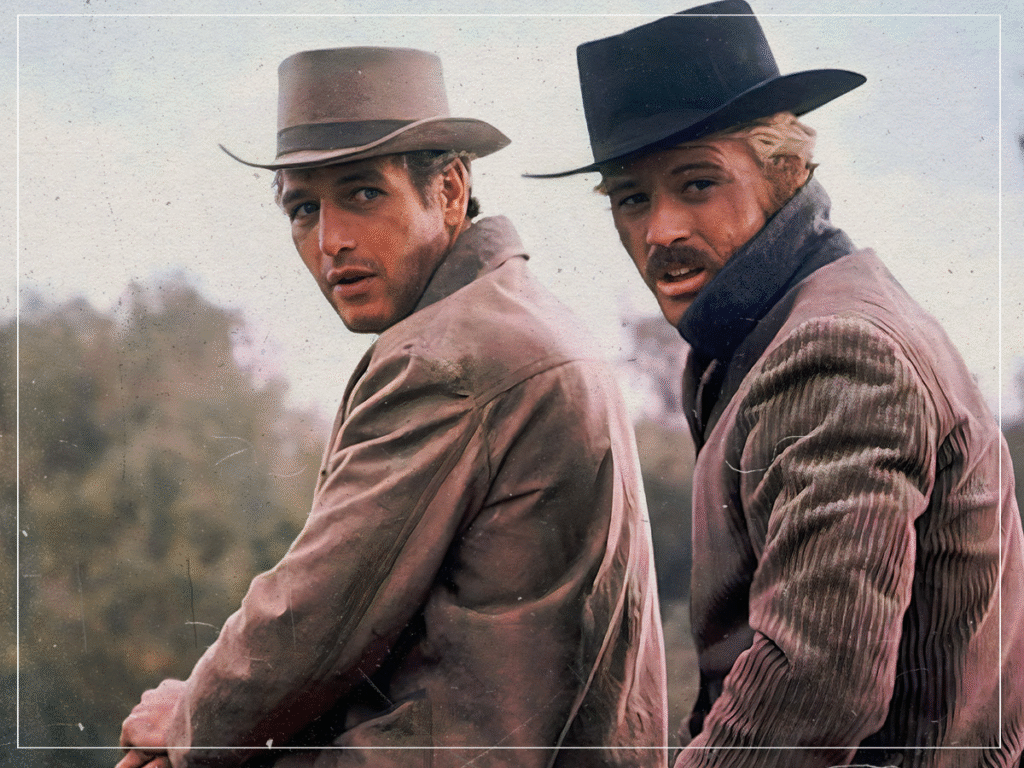
And then came the magic. Butch Cassidy and the Sundance Kid didn’t just succeed — it redefined the buddy film, setting a new standard for on-screen camaraderie. Newman’s playful spark and Redford’s grounded stillness blended into something effortless, human, and timeless. They didn’t act like friends; they were friends. Audiences didn’t just watch two outlaws — they watched two men who made each other better, who laughed between takes, who felt completely at ease in each other’s presence. It wasn’t chemistry. It was connection — the kind that can’t be manufactured or rehearsed.
Four years later, The Sting confirmed what the world suspected: lightning had struck twice. Their charm, their banter, their silent communication — it all returned, sharper and richer. Yet what made their partnership resonate wasn’t the stylish grifts or witty dialogue. It was the quiet warmth underneath, the feeling that each man was exactly who the other wanted beside him. They didn’t compete or overshadow. They shared the spotlight the way true equals do. Hollywood legends often orbit alone. They moved as a pair.
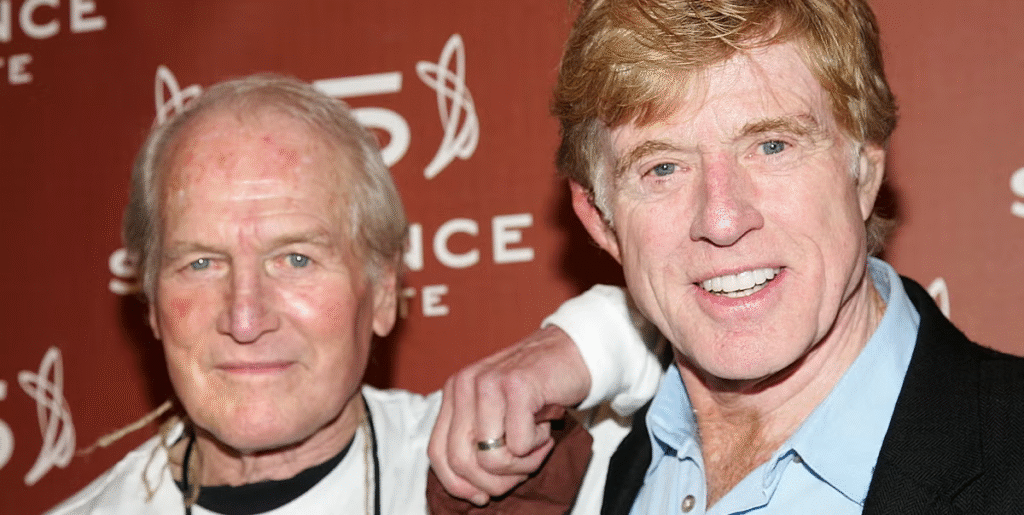
But if their films made history, it was their off-screen friendship that made legacy. Redford and Newman teased one another endlessly — trading playful insults, testing each other’s patience, and finding humor in everything. But beneath the teasing lived unwavering respect. Each admired the other’s discipline, independence, and refusal to play Hollywood’s game. They loved the craft more than the noise surrounding it. They valued privacy, integrity, and the idea that a career should never replace a life. That mutual understanding stitched their friendship tighter each year.
Beyond screens and awards, they built real influence — not through fame, but action. Newman used his success to fuel philanthropy that continues to change lives; Redford created Sundance to support new voices and preserve artistic freedom. They didn’t copy each other — they inspired each other. Both men built institutions rooted in generosity, authenticity, and social conscience. In a business often criticized for vanity, they built something that gave back. They didn’t just share scenes — they shared purpose.
As time passed, their friendship matured in the quiet way the truest relationships do. The calls became softer, the visits more private, but the bond held. They exchanged letters, stories, laughter. What once lived in public spotlight shifted to quiet loyalty — the kind that doesn’t need cameras or applause. When Newman’s health faded, Redford stayed close, though he rarely spoke about it. Some emotions exist only between two people, unrecorded and sacred. Their friendship grew deeper in silence, in aging, in understanding that time was limited and shared history irreplaceable.
When the news broke that Newman had passed, Hollywood mourned the loss of an icon. Redford mourned the loss of a brother. His tribute was brief, almost unfinished — not because he had nothing to say, but because decades of memories cannot fit inside sentences. “I have lost a real friend,” he said. “There is a point where feelings go beyond words.” It was a grief that didn’t demand poetry — it demanded respect. Some bonds are too profound to be public, too private to perform. His silence spoke louder than any speech.
Their friendship stands as one of Hollywood’s most cherished legends, not for glamour, but for truth. They didn’t use one another to climb; they walked side by side. They didn’t pretend closeness for cameras; they lived it when no one watched. They weren’t a manufactured duo — they were two men who found comfort in each other’s presence, humor in each other’s flaws, and loyalty in each other’s character. In an industry built on moments, theirs was built on years — steady, real, enduring.
Today, their legacy endures not in gossip columns or dramatic tales, but in a simple, powerful story: two men who chose each other. In every still frame of Butch Cassidy, you see it — Newman’s grin, Redford’s steady gaze, the unspoken trust between them. In The Sting, you feel it — the timing, the camaraderie, the effortless unity. Their work didn’t immortalize characters. It immortalized them, side by side, forever partners in mischief, art, and life.
And somewhere in cinema’s timeless sepia-toned memory, Butch and Sundance still ride into the unknown — not as actors, not as characters, but as friends. Real ones. The kind that fame cannot fabricate, and death cannot erase. For Robert Redford, losing Paul Newman was not losing a chapter — it was losing the co-author of a life story written in laughter, trust, and quiet loyalty. And for the rest of us, it was losing proof that even in Hollywood, some friendships don’t just survive — they transcend.