Few figures in American cinema have carried the quiet power, grace, and integrity of Robert Redford. For more than six decades, he has stood as both a leading man and a visionary — not merely a star, but a storyteller who shaped what Hollywood could be.
Born in Santa Monica in 1936, Redford’s early life hinted at rebellion and curiosity. Before fame, he studied art in Europe and drifted through New York’s bohemian scene, a painter searching for meaning. That spirit of independence would later define his career.
His breakthrough came with Butch Cassidy and the Sundance Kid (1969), opposite Paul Newman. Their chemistry redefined the buddy dynamic — playful, magnetic, and deeply human. Audiences saw not just a handsome face, but an actor with vulnerability beneath the charm.
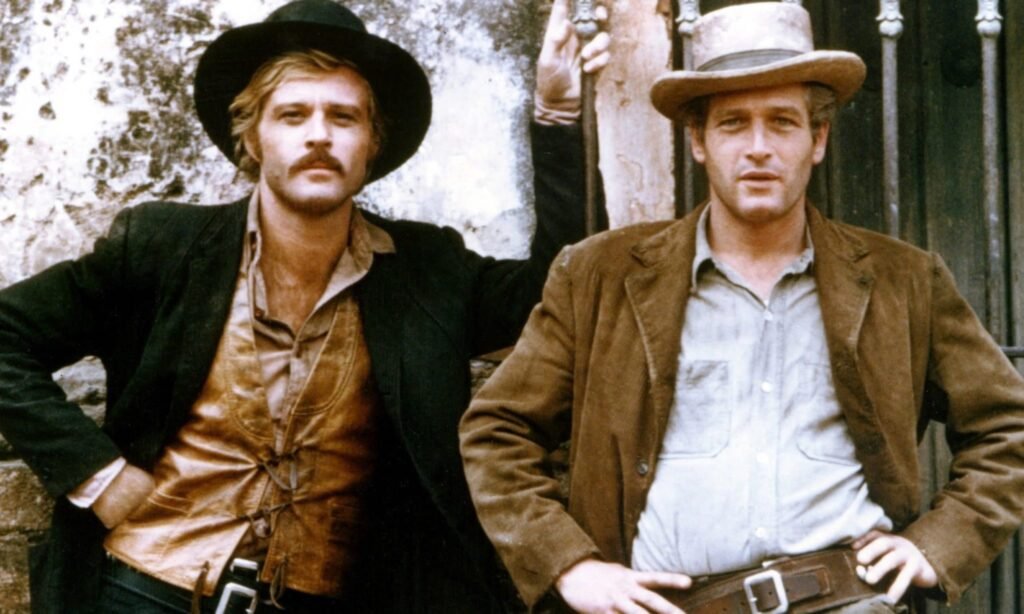
Then came The Sting (1973), cementing his star power and earning him an Oscar nomination. Redford’s effortless charisma made con artistry feel like an art form, and his partnership with Newman became one of Hollywood’s most beloved duos.
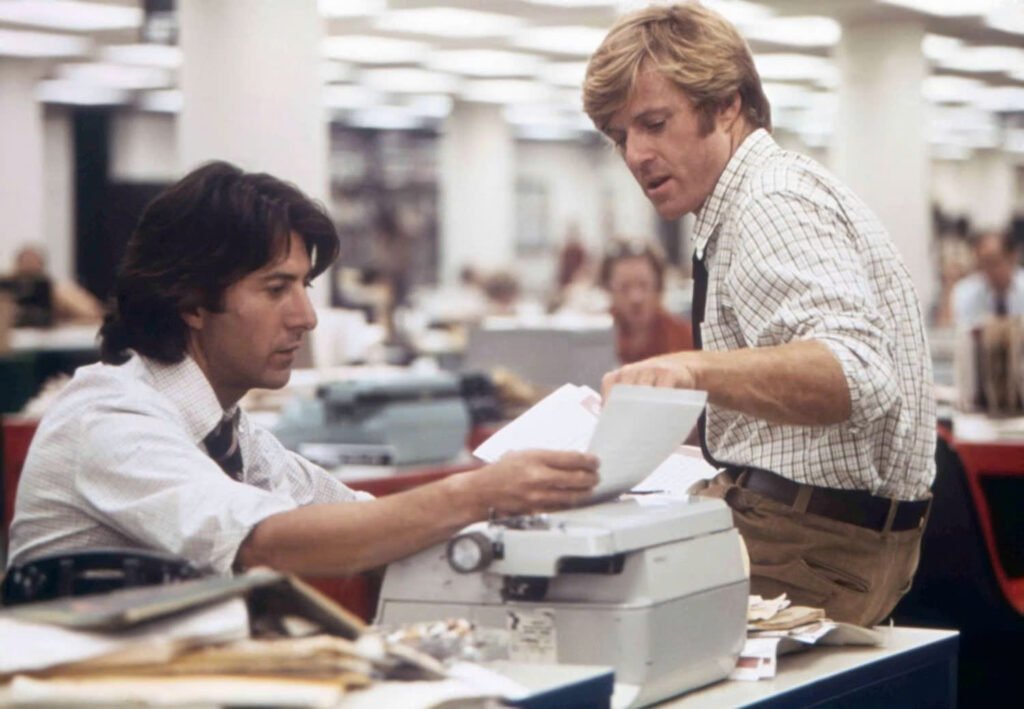
But Redford never settled for the safe path. In All the President’s Men (1976), he became the moral pulse of journalism as Bob Woodward, turning political scandal into cinematic history. It wasn’t just entertainment — it was accountability on film.
Behind the camera, Redford proved equally visionary. His directorial debut, Ordinary People (1980), stunned critics with its emotional precision and empathy, earning four Academy Awards, including Best Director. It revealed a depth that few expected from a leading man.
He went on to create the Sundance Institute and Film Festival, forever changing independent cinema. Under his guidance, Sundance became a sanctuary for new voices — from Quentin Tarantino to Greta Gerwig — giving birth to generations of storytellers.
Redford’s later performances carried the wisdom of experience. In The Horse Whisperer (1998) and All Is Lost (2013), his quiet introspection replaced words with presence, showing that aging could be cinematic poetry.
Even as superhero franchises ruled the box office, Redford remained steadfast in telling human stories — tales about solitude, morality, and the cost of ideals. He brought dignity to an industry obsessed with spectacle.
His retirement from acting marked the end of an era, but not of influence. Redford’s work — both on-screen and off — continues to inspire filmmakers who believe in truth, beauty, and authenticity.
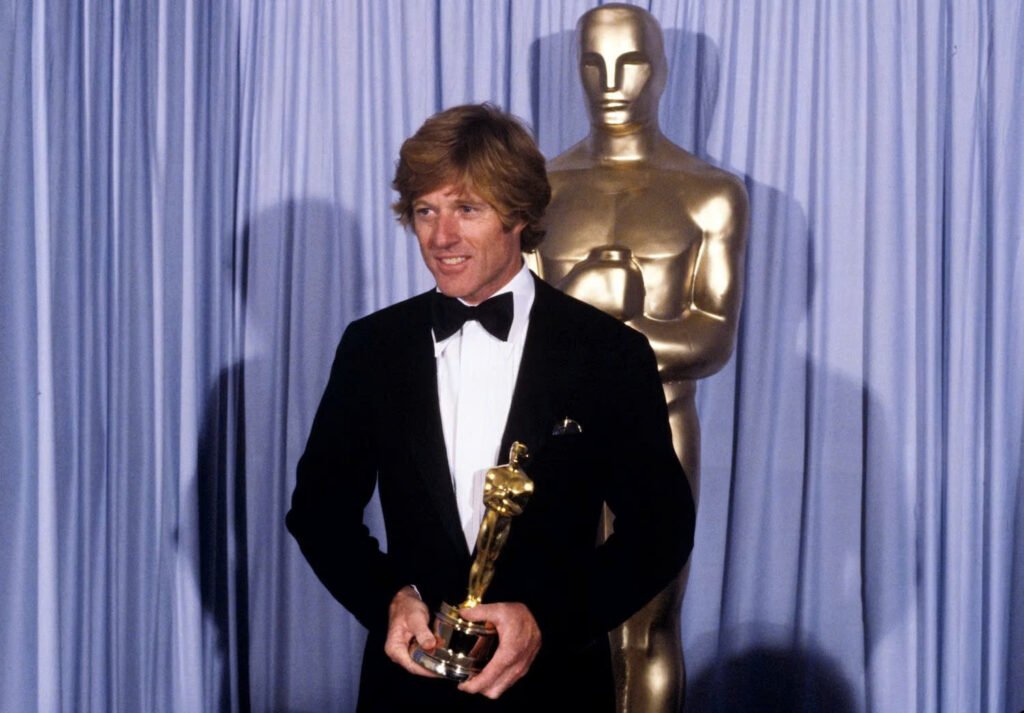
Looking back, Robert Redford’s legacy is not just about fame or awards. It’s about integrity — the belief that cinema can still move hearts, spark change, and hold a mirror to the soul.