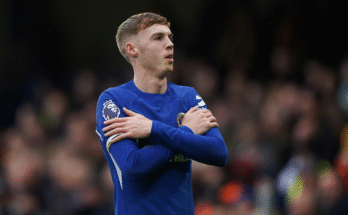
In a fiercely contested London derby that lived up to its intense reputation, Chelsea edged Tottenham Hotspur 1–0 at the Tottenham Hotspur Stadium, with João Pedro delivering the decisive moment. The atmosphere was electric from kickoff, fueled by the long-standing rivalry and both clubs’ ambitions in the Premier League race. Chelsea entered the match looking to reassert themselves after inconsistent form, while Spurs sought a statement victory at home. What unfolded became a night defined by grit, pressure, and a vital breakthrough.
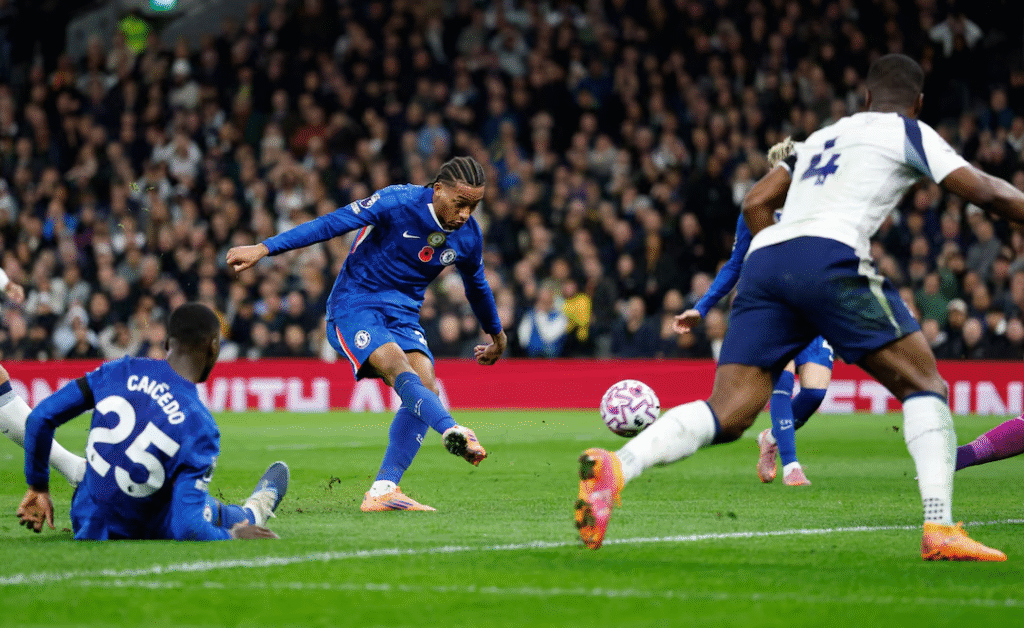
The breakthrough arrived in the 34th minute, and it was sparked by Chelsea’s relentless pressing. Moisés Caicedo dispossessed Micky van de Ven near midfield, immediately pushing forward and spotting João Pedro in a prime position. With composure and precision, Pedro drilled a low shot from close range past the advancing goalkeeper. The stadium fell silent as the ball hit the net — a moment that reignited both Pedro’s confidence and Chelsea’s hopes of climbing the table.
João Pedro’s strike meant far more than simply putting his team ahead. For the Brazilian forward, it marked the end of a prolonged scoring drought stretching back to August. His frustration had been visible in recent weeks, with critics questioning his composure in front of goal. This finish — decisive, powerful, and instinctive — served as a timely reminder of his quality. Managers and supporters alike celebrated the breakthrough, viewing it not only as a crucial moment for the match but a turning point for Pedro’s season.

Tottenham attempted to shift the momentum after conceding, and their response brought heavy pressure on Chelsea’s defensive line. Spurs pushed their full-backs higher, seeking width and creativity to open gaps. Despite multiple entries into the final third, their final touch lacked accuracy. Chelsea’s organized defensive structure held firm, frustrating Tottenham’s attackers and drawing loud groans from the home crowd. It became clear the match would hinge not only on skill, but discipline, physicality, and concentration under pressure.
The second half opened with Tottenham dominating possession, determined to level the score. Their urgency was evident, as they moved the ball quickly and attempted to exploit Chelsea’s defensive transitions. Randal Kolo Muani and Mohammed Kudus both forced interventions from Chelsea defenders, and Vicario’s opposite number, Robert Sánchez, remained alert to potential threats. Chelsea, meanwhile, looked dangerous on the counter, threatening to double the lead with rapid breaks spearheaded by Pedro and Enzo Fernández.
Tactical adjustments defined the midfield battle, particularly between Caicedo and Spurs anchor João Palhinha. Caicedo’s ball-winning excellence and ability to transition effectively under pressure continued to give Chelsea an edge. Tottenham pushed numbers forward, but Chelsea’s compact shape prevented spaces from opening. The duel became increasingly physical, with refereeing decisions drawing heated reactions from both benches. The match remained tightly balanced, yet ever leaning in Chelsea’s favor thanks to that early, pivotal strike.
Spurs came closest to equalizing when a dangerous cross from Pedro Porro found its way into traffic inside Chelsea’s box. A goalmouth scramble ensued before Trevoh Chalobah cleared the danger at the last second. Moments later, a long-range effort from Bentancur forced Sánchez into a difficult save. Despite these moments of alarm, Chelsea continued to absorb pressure intelligently, earning praise for their disciplined structure under manager Enzo Maresca.

Chelsea’s supporters, packed into their allocated corner, roared with growing confidence as time ticked away. The visitors looked increasingly comfortable, stringing passes together to relieve pressure and slow Tottenham’s tempo. João Pedro’s every touch drew cheers, his belief evidently restored. For a team criticized earlier in the campaign for lacking consistency and attacking sharpness, this performance marked a significant response — blending resilience, tactical maturity, and a willingness to fight for narrow margins.
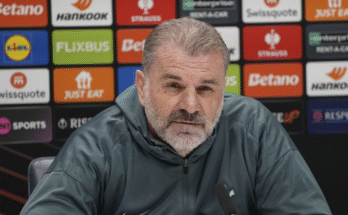
As stoppage time approached, tensions escalated. Tottenham threw players forward, pushing for a late equalizer that would salvage something from a frustrating night. Chelsea players dropped into deeper lines, blocking passing lanes and winning key duels. Maresca urged calm from the touchline, while Spurs coach Ange Postecoglou signaled for urgency. Every clearance, every interception, every slide tackle from Chelsea drew roars of approval from their supporters — a gritty defensive exhibition sealing their narrow advantage.
The final whistle brought relief and celebration for Chelsea, who secured three vital points in their pursuit of European qualification ambitions. The victory not only strengthened their league standing but delivered a psychological lift heading into a demanding schedule. Tottenham, meanwhile, were left to confront missed opportunities and a lack of clinical finishing. Despite periods of control, they failed to convert pressure into results, fueling frustration among fans and analysts alike.
Ultimately, this match will be remembered for João Pedro — whose long-awaited goal silenced critics and delivered a signature derby moment. His composure in front of goal, combined with Caicedo’s intelligent pressing, defined the contest. If this performance becomes a catalyst for Pedro’s resurgence, it could dramatically reshape Chelsea’s attacking trajectory this season. For Tottenham, the night underscored the ruthless nature of the Premier League: dominance means little without the decisive finishing touch.