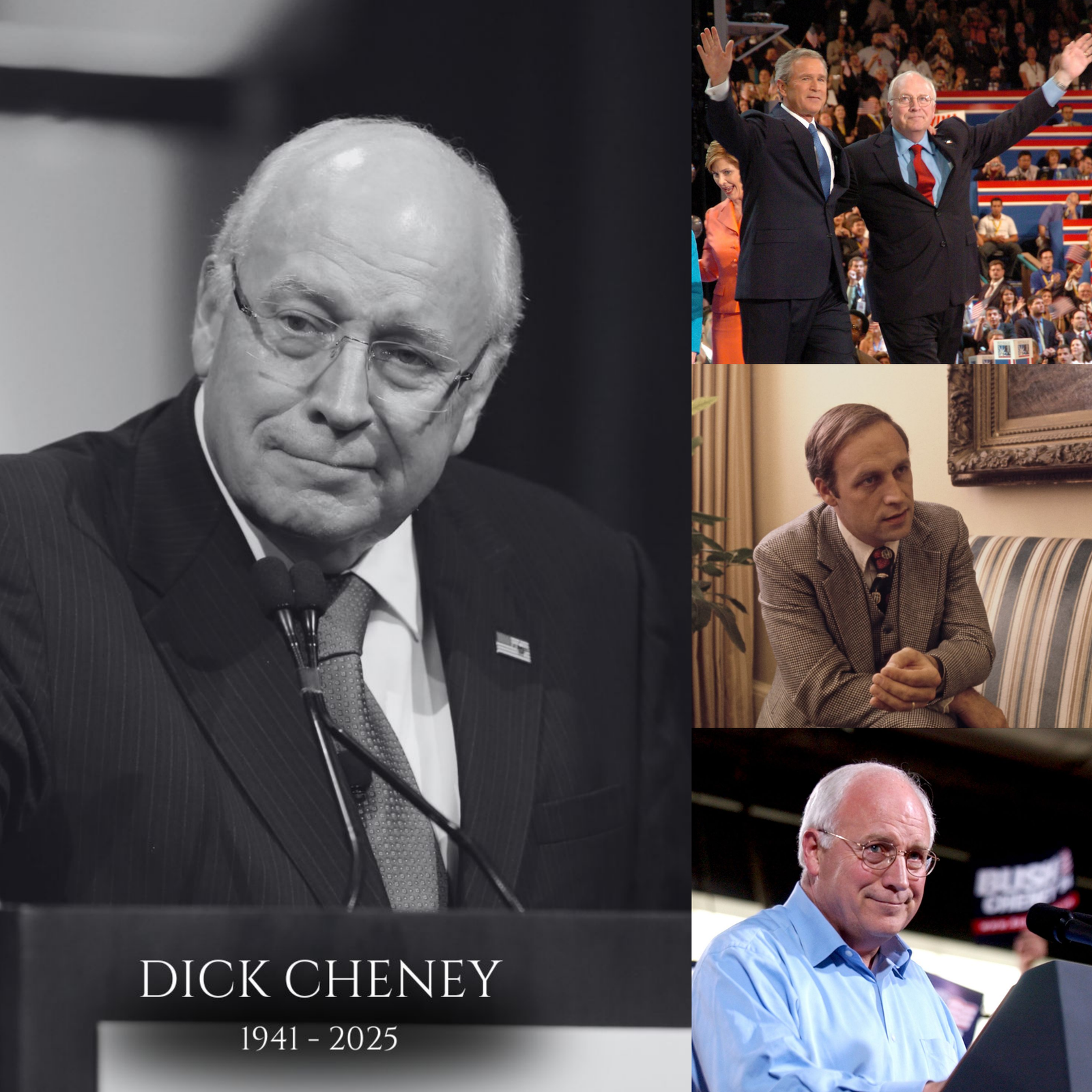
Former Vice President Dick Cheney, one of the most influential and controversial figures in modern American politics, has died at the age of 84. Cheney, who served alongside President George W. Bush, was widely regarded as the most powerful vice president in U.S. history, shaping national-security policy in the wake of the September 11 attacks and steering the country into wars that reshaped global politics. His family confirmed his passing in a statement mourning “a noble giant of a man.”
Cheney’s death marks the end of a turbulent, consequential political era. A fierce defender of expansive executive power, Cheney was a central architect of America’s post-9/11 war strategy, including the invasions of Afghanistan and Iraq. Supporters hailed him as a fearless patriot who acted decisively during one of the nation’s darkest chapters. Critics argued he drove the country into costly, destabilizing conflicts while expanding surveillance and secret-detention programs that tested legal and ethical limits.
Born in Lincoln, Nebraska, and raised in Wyoming, Cheney’s political career began during the Nixon era and spanned decades. He served as White House Chief of Staff under President Gerald Ford, member of Congress from Wyoming, and Secretary of Defense under President George H.W. Bush. In that role, he oversaw Operation Desert Storm, the U.S.-led coalition’s swift military response to Iraq’s invasion of Kuwait — a success that elevated him nationally and bolstered his reputation as a strategic hawk.
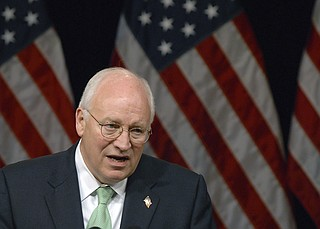
His return to Washington in 2001 as Vice President transformed the role from a largely ceremonial position into a formidable center of power. In the chaotic hours after the September 11 attacks, Cheney operated from secure facilities, pushing for aggressive counterterrorism measures. He endorsed expanded surveillance, intelligence-gathering, and covert operations, arguing that unprecedented threats required unprecedented authority. “We must work the dark side,” he famously said, a quote that became both a badge of resolve and a rallying cry for critics.
Cheney was unapologetic in his belief that security must outweigh caution. He urged Congress to authorize military force in Iraq, insisting Saddam Hussein posed a grave danger to the United States. When weapons of mass destruction failed to be found, critics accused him of manipulating intelligence. Cheney maintained that removing a hostile regime was the right decision for long-term security. The debate over that war — its cost, consequences, and justification — remains one of the most divisive chapters of his legacy.
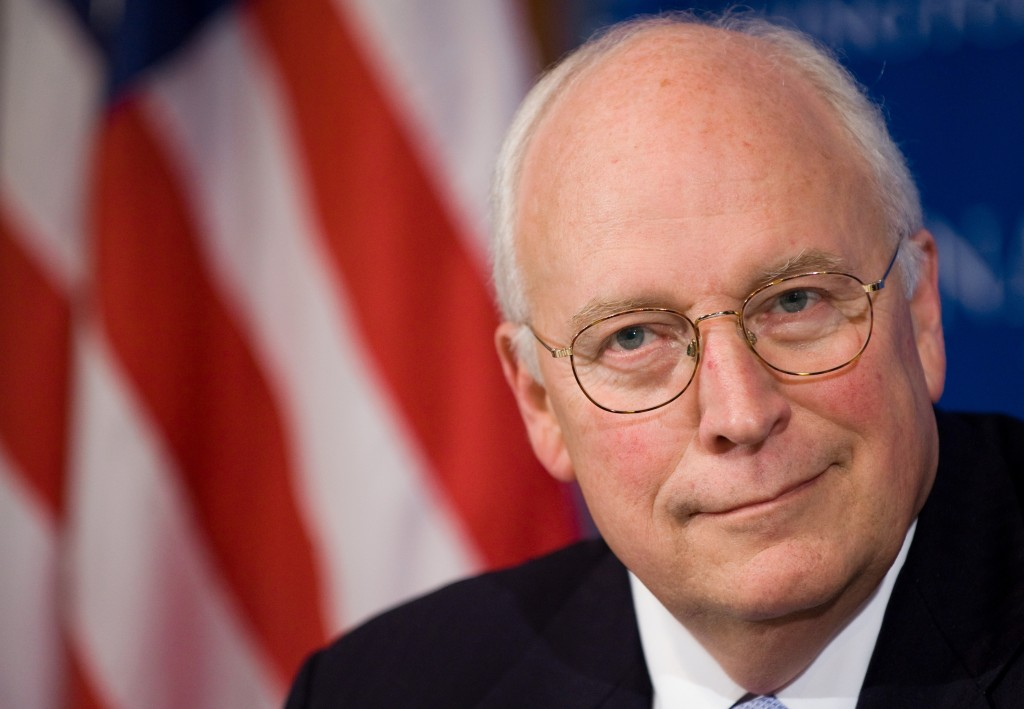
Throughout his time in office, Cheney’s “shadow presidency” became the subject of scrutiny, investigation, and public fascination. His extensive influence over military and intelligence policy, coupled with a famously secretive operating style, led many analysts to describe him as the most dominant vice president in history. He often clashed with Cabinet members, intelligence officials, and lawmakers who pushed back against his sweeping national-security vision.
Cheney’s post-White House years were marked by health struggles and political complexity. Having suffered multiple heart attacks over his lifetime, he underwent a heart transplant in 2012. Despite declining health, he remained a visible and outspoken figure. He continued to defend the Bush administration’s wartime decisions and increasingly voiced concerns about the direction of the Republican Party, at times criticizing figures like Donald Trump and warning against what he saw as rising extremism.
His influence extended to his family’s political life. Cheney’s daughter, Liz Cheney, followed in his footsteps, serving in Congress and becoming a high-profile critic of efforts to overturn the 2020 election. The Cheney family’s political positions placed them at odds with much of the Republican base in recent years, turning the once-dominant GOP dynasty into a complex symbol of conservatism’s shifting identity.
Reactions to Cheney’s death reflect the deep divide surrounding his legacy. Allies describe him as a steady hand who helped guide America through fear and chaos. Opponents remember him as an architect of policies that led to prolonged conflict, civilian casualties, and a lasting debate over civil liberties. Few dispute the scope of his impact. In the words of one longtime analyst, “Every American lived in a world shaped by Dick Cheney, whether they supported him or not.”
Cheney’s family praised his life of service and devotion, writing that they were “blessed beyond measure” to have known his leadership and love. Arrangements for public memorial events are expected to be announced soon, with tributes likely to draw prominent figures from both Republican and Democratic administrations. In Washington, flags are anticipated to be lowered as the nation reflects on a figure who defined an era of American power and controversy.
His passing closes a chapter on a political era defined by global crisis, sweeping executive authority, and an unyielding national-security philosophy. To some, Cheney will forever represent the steely resolve required in moments of existential threat. To others, he symbolizes the dangers of unchecked power and the cost of war. History will remember him as both — a man whose decisions, vision, and will shaped the United States and the world for generations.