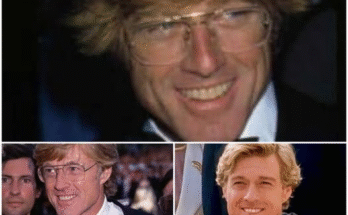
Neil Simon’s Barefoot in the Park first stepped onto the Biltmore Theatre stage on October 23, 1963 — and New York never looked the same again. A sparkling romantic comedy wrapped in wit, warmth, and the chaos of newlywed life, the production captured audiences instantly. Robert Redford and Elizabeth Ashley, then rising names, electrified the stage with a chemistry so natural it felt lifted straight from real New York apartments and real young love.
In a city defined by ambition and noise, Barefoot in the Park offered something startlingly intimate — a reminder that sometimes the greatest battles aren’t fought in boardrooms or courts, but in tiny sixth-floor walk-up apartments with no elevator and no heat. Neil Simon carved romance out of inconvenience and joy out of everyday struggle, turning simplicity into gold. The play, at once lighthearted and deeply human, became a mirror for couples learning to grow together, laugh through chaos, and disagree with love still in the room.

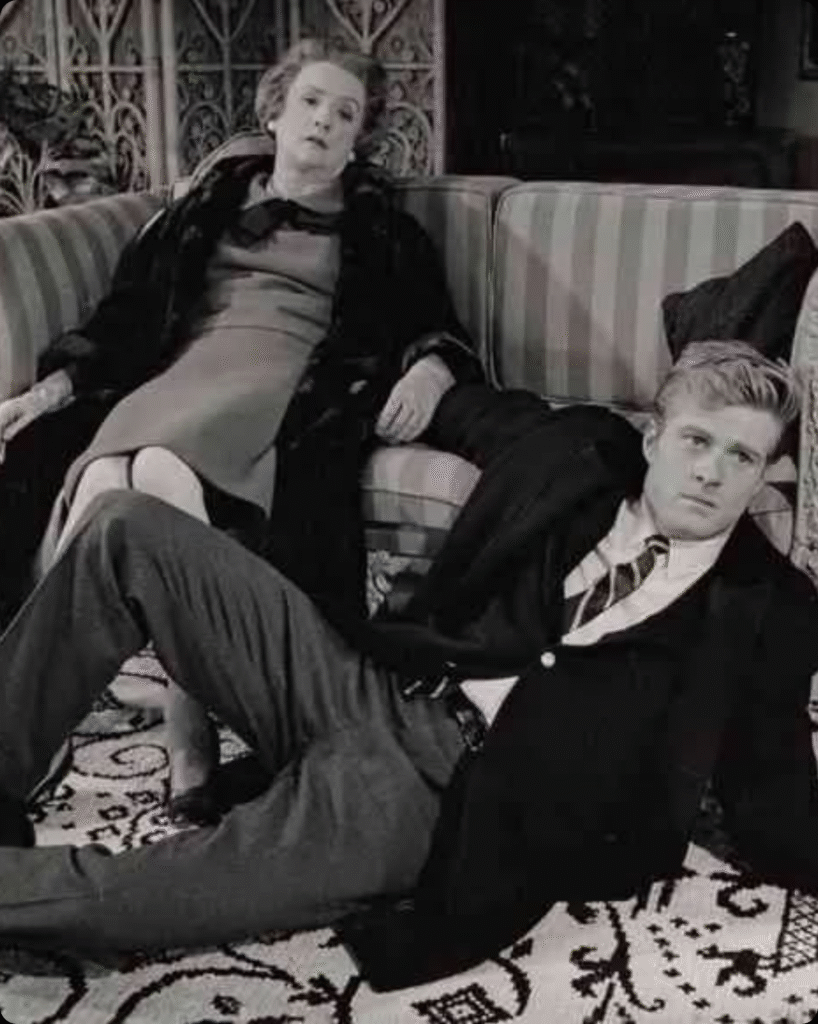
Robert Redford, at the edge of a breakthrough, embodied the cautious, straight-laced Paul Bratter with precision and charm. His timing, restraint, and subtle emotional shifts helped define a new era of romantic comedy acting — less theatrical flourish, more quiet truth. Opposite him, Elizabeth Ashley burst across the stage with fearless energy as the whimsical, impulsive Corie Bratter. Her performance became a masterclass in capturing youthful passion, unpredictability, and the raw thrill of love’s first years.
Mike Nichols, marking his Broadway directorial debut, transformed the modest play into a phenomenon. His sharp instincts, comedic rhythm, and delicate emotional touch elevated Simon’s words into living, breathing moments. Nichols’ ability to draw gold from silence, glances, and everyday exchanges helped cement Barefoot in the Park as a template for modern American romantic comedy — both on stage and screen.
Audiences didn’t just watch the play; they fell into it. Night after night, laughter echoed across the Biltmore Theatre as theatergoers recognized pieces of themselves — the misunderstandings, the newlywed sparks, the tiny frustrations that balloon into dramatic declarations. The show wasn’t merely entertainment; it was relatable life, dressed in charm and sprinkled with unforgettable humor.
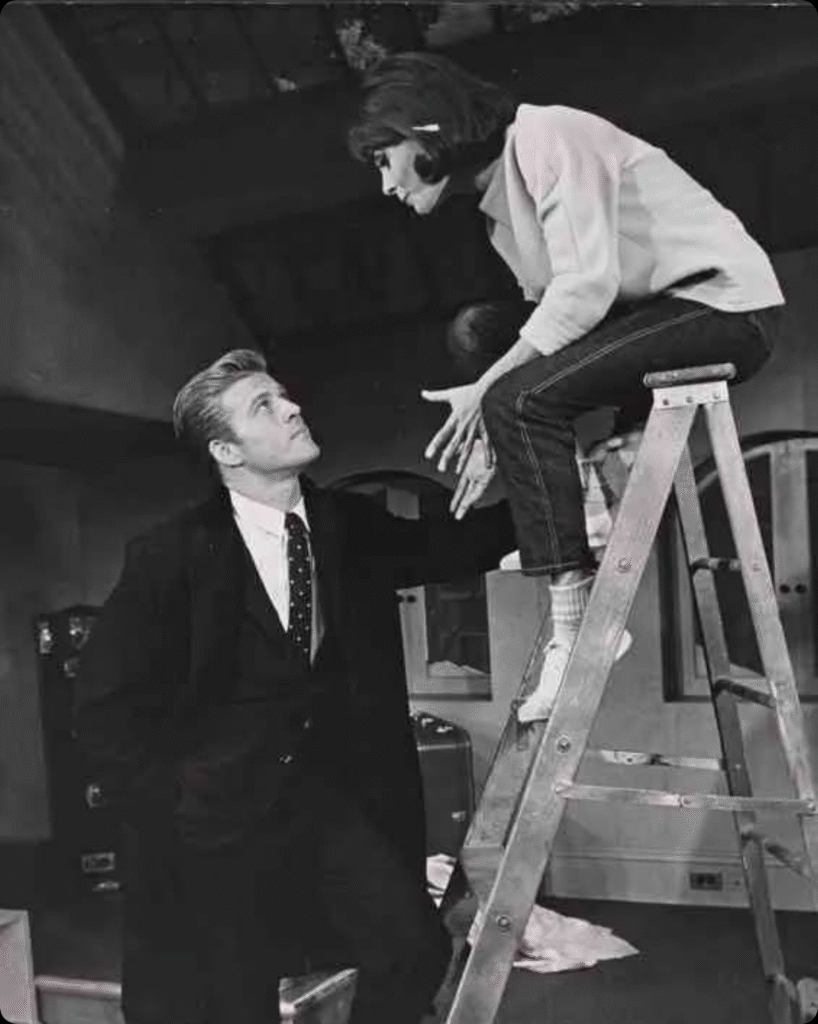
Over 1,500 performances later, when the curtain finally fell on June 25, 1967, Barefoot in the Park had already become more than a hit — it was a cultural imprint. Broadway had embraced a new voice in Neil Simon, a new directorial force in Nichols, and a future Hollywood icon in Redford. The stage had become the launching pad for a cinematic journey that continued to define elegance, wit, and grounded storytelling for decades.
When the story transitioned to film in 1967, Redford remained — proof that some performances are simply too authentic, too connected, to replace. Opposite Jane Fonda, he carried Paul Bratter into a new medium, preserving the spirit of his Broadway performance while expanding it for the silver screen. That seamless leap helped cement his reputation as one of Hollywood’s most natural leading men — believable, charismatic, and compelling.
Yet the magic of Barefoot in the Park never belonged to one actor or director. It lived in the tenderness between lines, the rhythm of disagreements, and the notion that romance is not perfection — it is effort, patience, and the willingness to laugh even when the carpet is torn and the thermostat is broken. The story’s simplicity made it timeless, and its humor made it unforgettable.
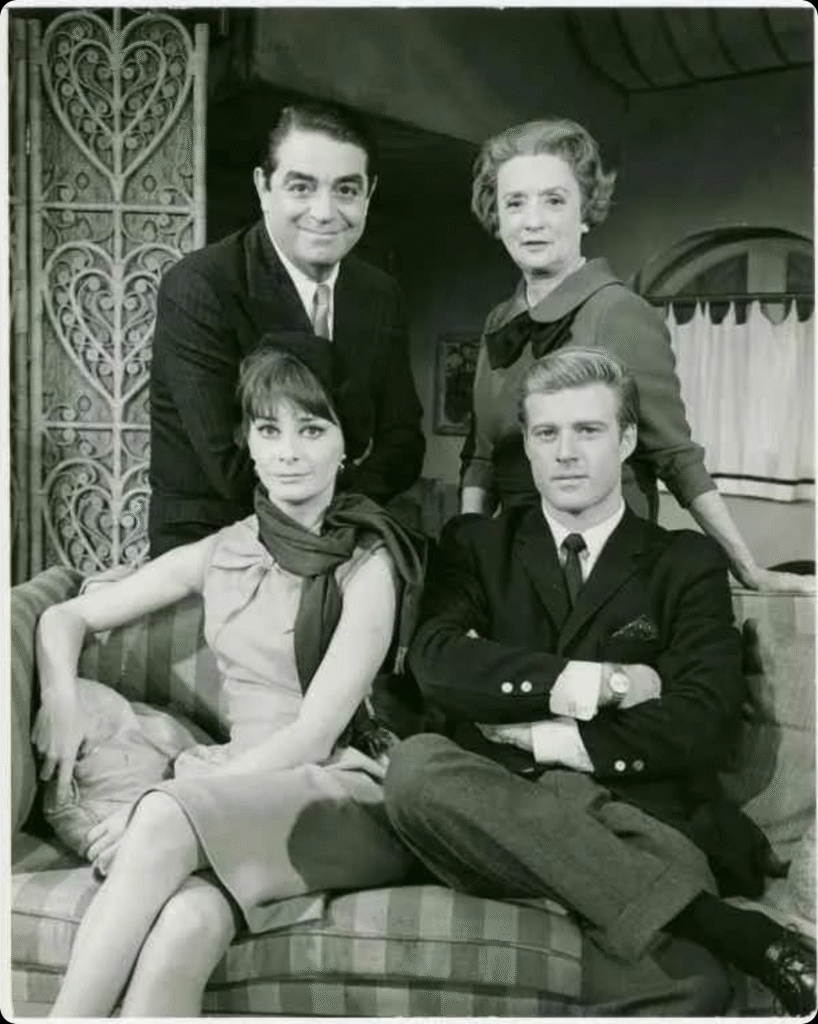
Decades later, the legacy endures — quoted, revived, studied, and loved. Theater students still analyze its pacing; actors still envy its roles; directors still admire its balance of heart and humor. And audiences? They still find themselves smiling at the memory of a young couple stumbling through the beautiful mess of building a life together.
Today, as we look back on 62 years since its debut, Barefoot in the Park remains not just a play but a heartbeat — a reminder of theater’s power to turn ordinary living into extraordinary storytelling. Its walls held laughter, its script held truth, and its performers held history in their hands. From Broadway lights to Hollywood frames, the spirit of love, humor, and human tenderness continues to live on.
The footprints it left — light, joyful, and deeply human — are still warm on the stage where it began. And every time a curtain rises on two characters learning to live, love, and leap together, you can feel just a bit of that first spark from 1963. Here’s to the romance, the laughter, the chaos — and walking barefoot through all of it, even when the floor gets cold.