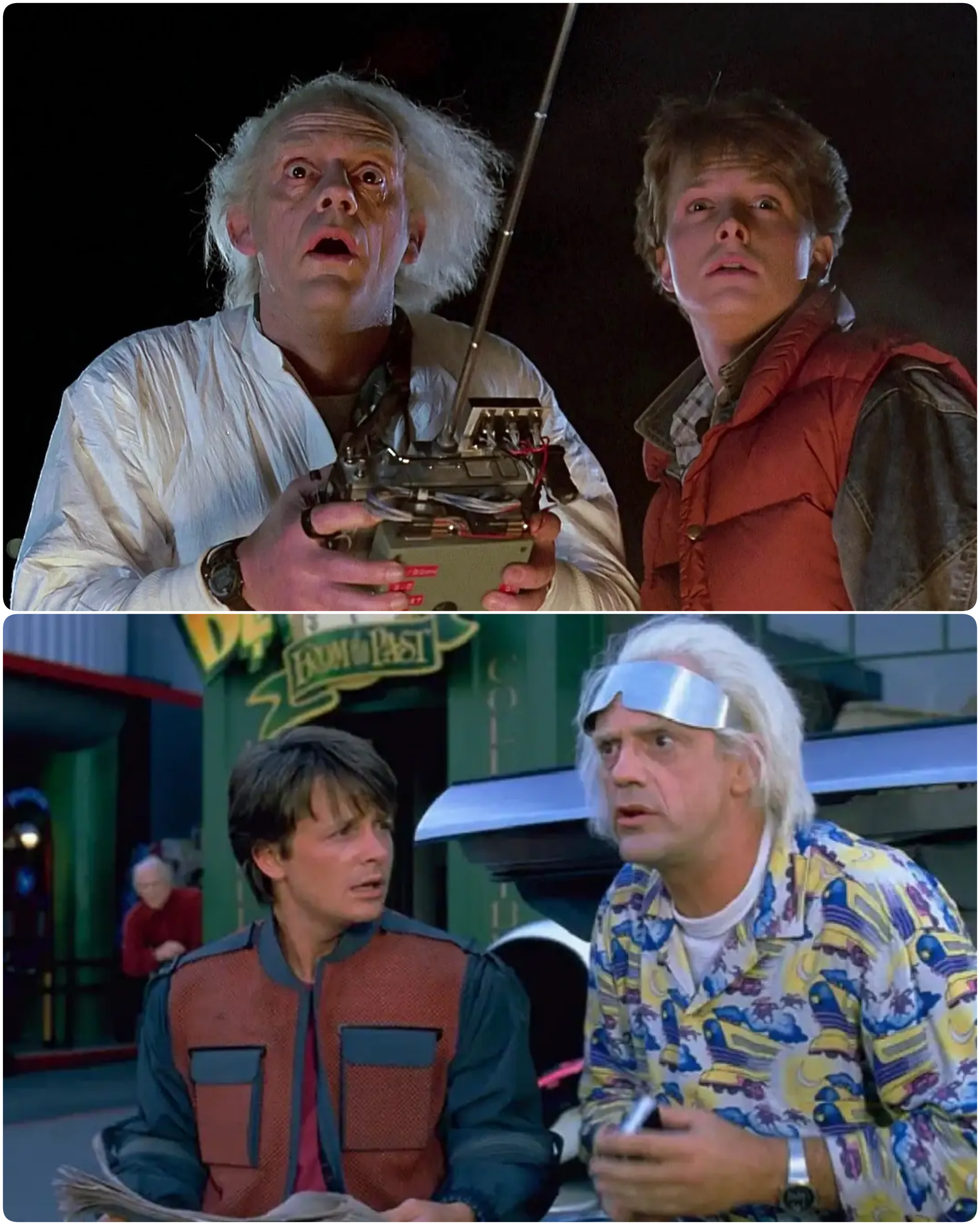
When Back to the Future hit theaters in the summer of 1985, it wasn’t just another sci-fi adventure — it was a cultural explosion. Directed by Robert Zemeckis and produced by Steven Spielberg, the film took audiences on a thrilling, hilarious, and heartfelt ride through time, powered by a DeLorean and pure cinematic magic.
At its heart was a story every generation could feel — a teenager trying to understand his parents, his past, and himself. Michael J. Fox’s performance as Marty McFly was electric, embodying the charm, wit, and awkward courage of a hero who never planned to be one.
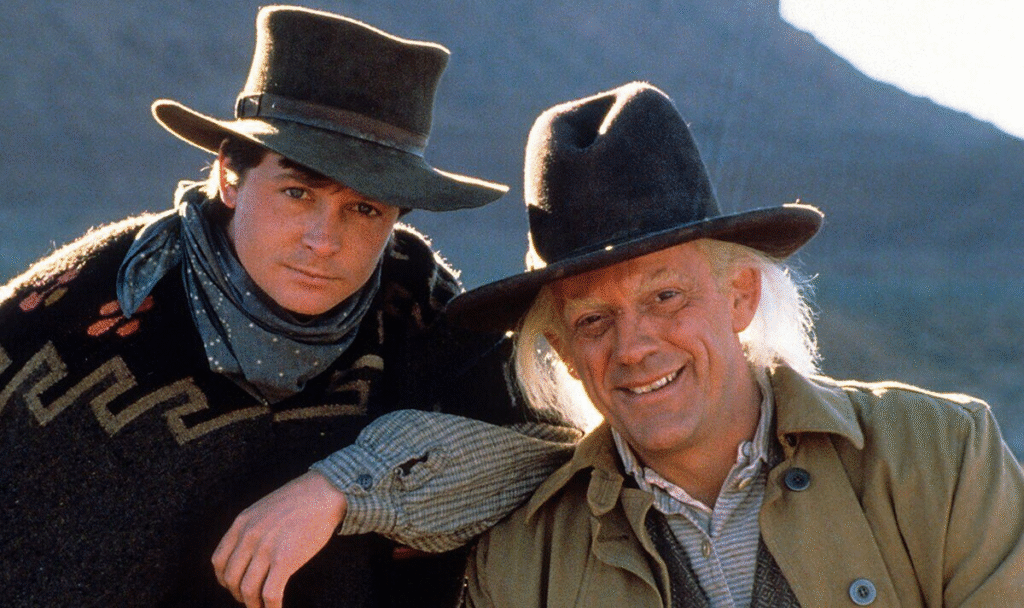
When Marty is accidentally sent back to 1955, he doesn’t just disrupt the timeline — he steps into an America of sock hops, diners, and unspoken dreams. It’s nostalgia and discovery all at once, blending humor and emotion in perfect balance.
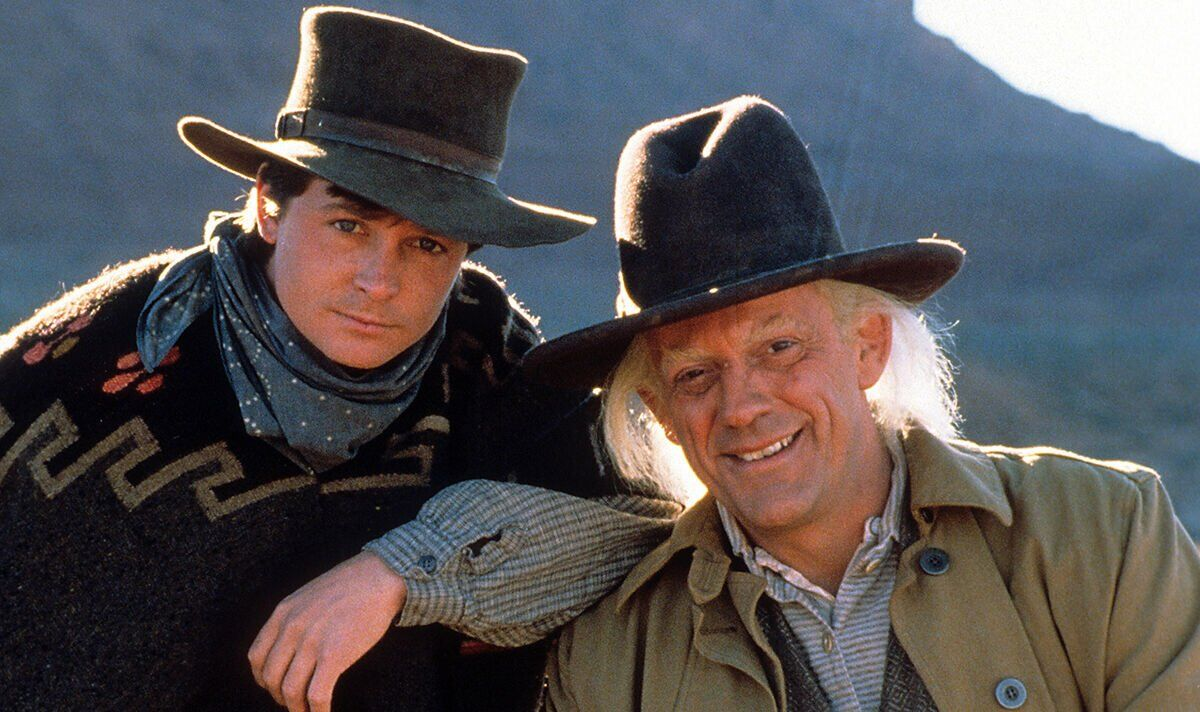
Christopher Lloyd’s Doc Brown became instantly iconic, a wild-haired genius shouting “Great Scott!” as he tinkered with the impossible. Together, Marty and Doc became one of cinema’s most unforgettable duos — bonded by chaos, trust, and friendship across time.
The DeLorean time machine itself became a legend. With its gull-wing doors and flashing lights, it wasn’t just a car — it was a symbol of limitless imagination, proof that the future could roar to life from the unlikeliest places.
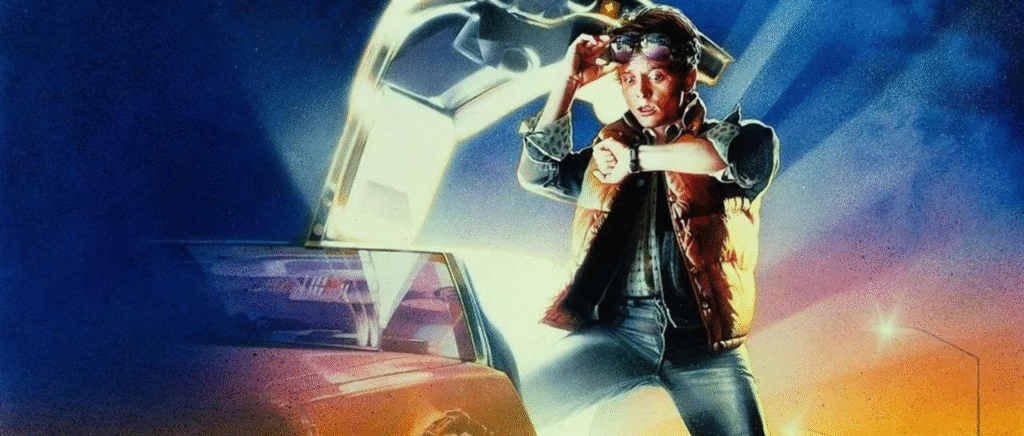
Audiences in 1985 saw themselves in the film’s energy and optimism. Amid Cold War tension and cultural change, Back to the Future offered something rare — a story that made people laugh, dream, and believe in possibilities again.
Its soundtrack became just as legendary. Huey Lewis and the News’ “The Power of Love” captured the film’s beating heart — a mix of youthful drive, romance, and rock-and-roll defiance that defined an era.
Critics praised its perfect blend of storytelling and spectacle. Roger Ebert called it “one of the happiest movies ever made,” while audiences returned again and again, turning it into one of the highest-grossing films of the decade.
Decades later, the film remains timeless. It’s quoted, parodied, and celebrated in pop culture — from sneakers and hoverboards to the annual “Back to the Future Day.” Few movies have aged with such joy and affection.
More than a sci-fi adventure, Back to the Future is about courage — the courage to fix what’s broken, chase what’s lost, and believe that even a small-town kid can change the course of history.
Forty years on, it’s still not just a movie. It’s a promise — that no matter how tangled life becomes, there’s always a way to go back, rediscover who we are, and drive forward into the future.