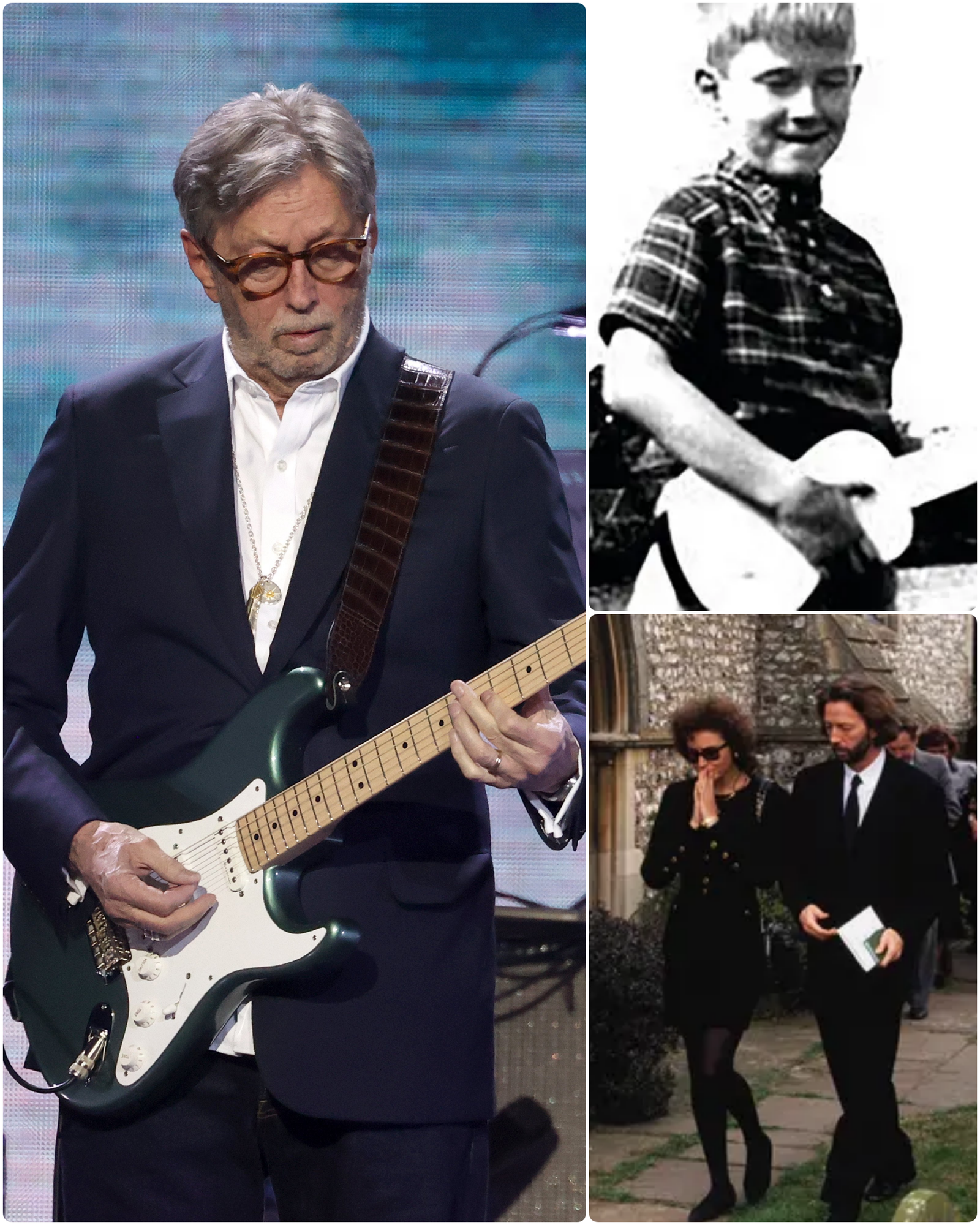
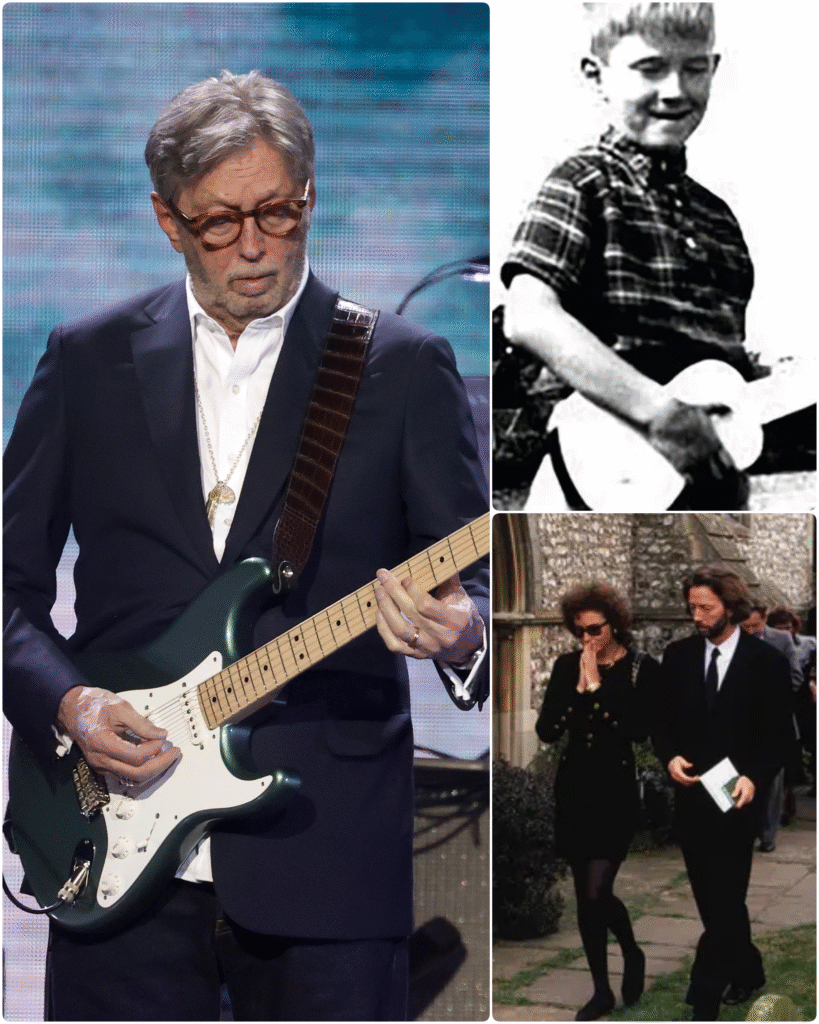
In the wake of unimaginable grief, Eric Clapton faced a moment that would redefine his life. The rock legend, known for his blistering guitar solos and turbulent personal history, was forced into a confrontation not with fame or expectation, but with mortality and loss. When his four-year-old son Conor died in a tragic fall from a New York high-rise in 1991, Clapton’s world shattered — and everything changed in the silence that followed.
According to accounts referenced in his memoir and later publications, Clapton made a vow in that devastating aftermath: he would not allow alcohol or drugs to be the escape from this pain. Long before that moment, he had already battled addiction with brutal transparency, speaking openly about heroin, alcohol, and the dangerous cycles that nearly consumed him. But his son’s death became a defining line — not merely another reason to avoid the past, but a final point of no return.
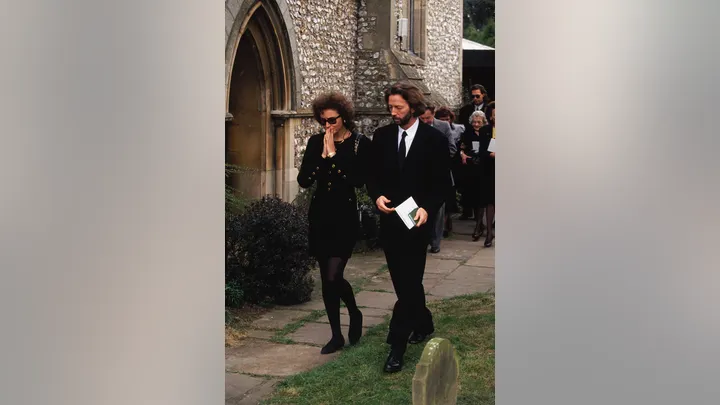
Those close to the musician recalled that grief did not weaken him into relapse; instead, it hardened his resolve. For a man once captive to addiction’s grip, refusing to numb the heartbreak was an act of strength few expected. Clapton knew that substances had cost him years, relationships, and clarity. He would not allow them to take the last connection he could still preserve — memory. That commitment, painful yet vital, became a central pillar of his healing.
Friends and collaborators described those months as quiet, almost sacred. Clapton withdrew from public life, not out of avoidance, but necessity. He isolated himself, turning to music not as a spectacle but a sanctuary. The guitar became, once again, a lifeline. Silence and solitude were not signs of collapse — they were steps toward rebuilding. In private, he mourned. In private, he learned to feel again without the armor of intoxication.
From this grief emerged one of the most intimate songs in rock history: “Tears in Heaven.” Written as a conversation he could no longer have, the ballad stripped away ego, bravado, and stage presence. Listeners heard not the rock icon but a father, shattered and searching for meaning. The track transcended genre and time, reminding the world that even legends bleed, and even the most gifted cannot bargain with fate.
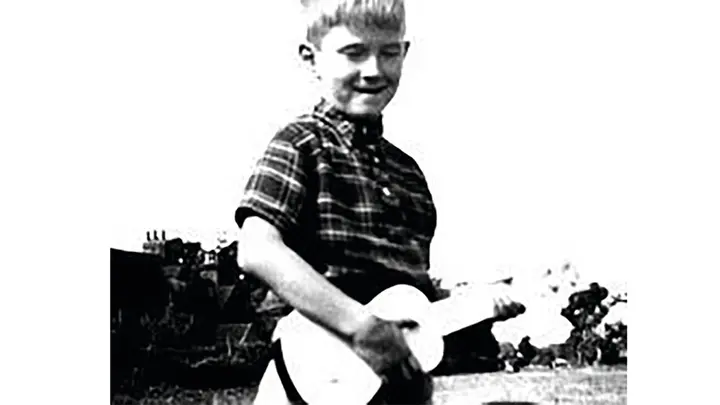
Clapton acknowledged that sobriety during such trauma was not a triumph of willpower alone. He credited a network of support, recovery programs, and the discipline forged in earlier battles with addiction. Those who documented his journey noted that the artist’s losses became motivation rather than ruin. Where despair could have re-opened old wounds, purpose emerged — fragile at first, but steady enough to carry him forward.
The book accounts emphasize that his recovery was not glamorous or linear. There were long days, sleepless nights, and moments of hollow ache. Healing did not come in sudden bursts but quiet steps. Music served as therapy, structure became protection, and faith — spiritual and personal — returned as a lifeline. Clapton later described this time as the hardest of his life, yet also the clearest, unmarred by numb escape.
Industry insiders observed a profound shift in his public presence. In interviews and performances, the fire of youth was replaced with profound humility. Gone was the defiant star who once lived at extremes; in his place stood a man who had survived both fame and heartbreak — and refused to let either destroy him. His grief did not erase his brilliance, but it changed the way he carried it.
Critics often revisit this era in Clapton’s legacy not for scandal or spectacle, but for transformation. His journey has since been cited in addiction-recovery circles as proof that even unimaginable pain can be endured without surrendering to self-destruction. The choice to remain sober through devastation challenged long-held stereotypes about artists and emotional turmoil — reminding the world that vulnerability and resilience are not opposites.
Decades later, the loss remains a defining chapter in his narrative, not because tragedy shaped his artistry, but because it revealed the man beneath the music. Clapton’s story continues to resonate not only with fans but with parents, survivors, and those who have faced a crossroad between despair and strength. It is a reminder that love, even in absence, can anchor a life to purpose rather than ruin.
As his memoir and countless reflections make clear, Eric Clapton did not emerge from grief unscarred — but he emerged sober, determined, and honest about the cost and necessity of his choice. Some legacies are measured in records and accolades. His is also measured in resilience, in the quiet courage to feel pain fully, and in the music that allowed him to breathe again without losing himself.