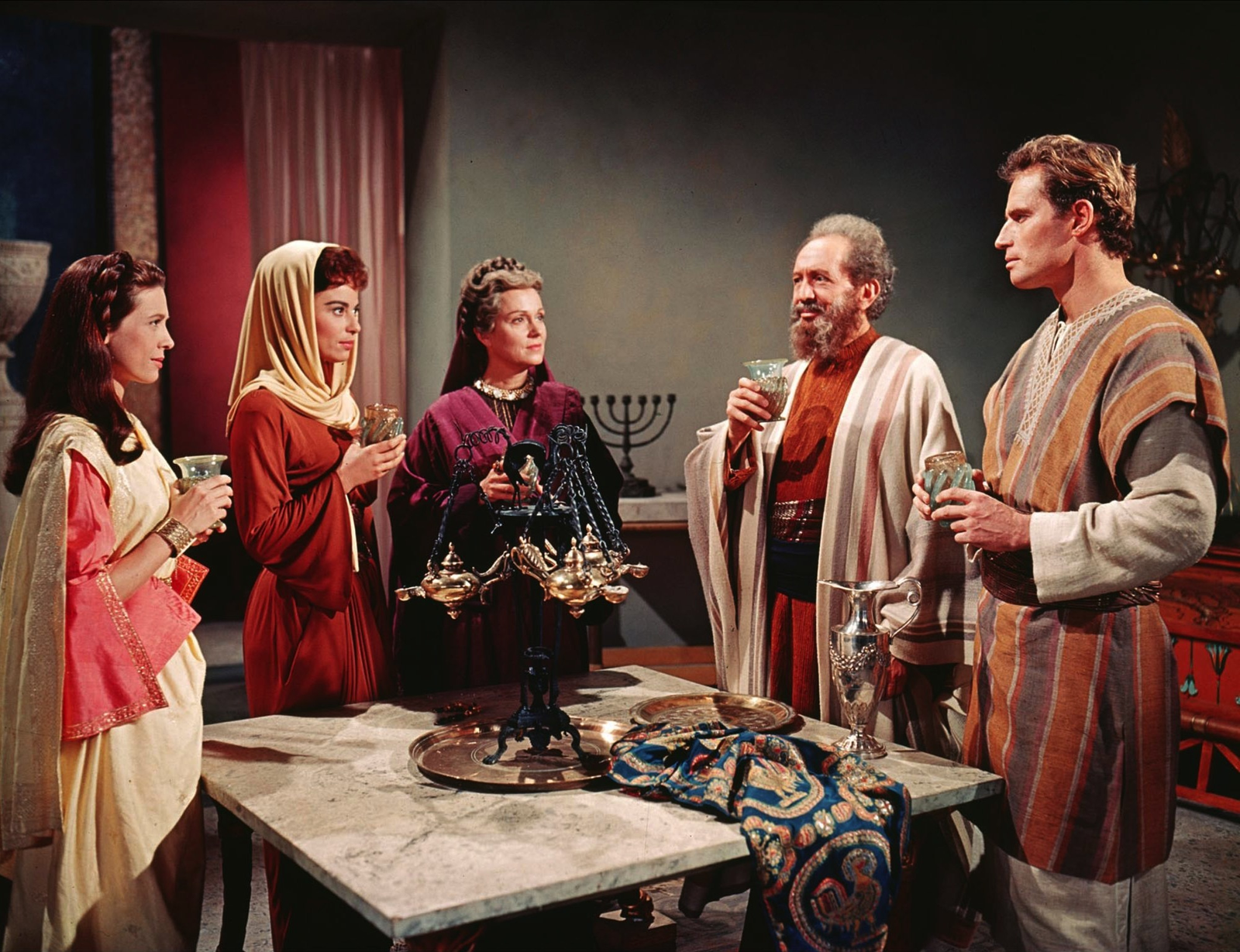
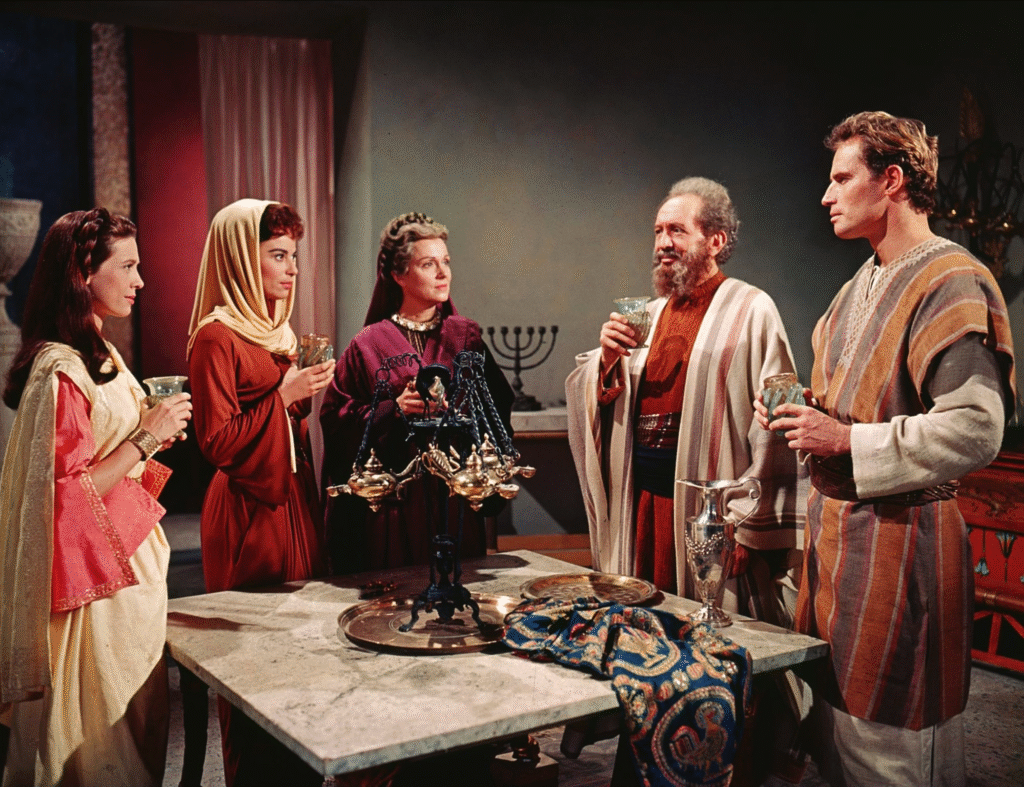
When Ben-Hur thundered into theaters in 1959, audiences knew they were witnessing something extraordinary — not just a movie, but a revolution in filmmaking. Directed by the meticulous William Wyler and led by Charlton Heston in his career-defining role, the film marked a turning point for Hollywood’s ambition, scale, and storytelling. It was a spectacular gamble during an era when television threatened cinema’s dominance — and yet, it triumphed magnificently.
Filmed in breathtaking 70mm widescreen, Ben-Hur set a new standard for cinematic grandeur. Every frame was engineered to stun, from sweeping desert vistas to towering Roman structures handcrafted by thousands of artisans. The movie demanded absolute precision, with Wyler known for exacting detail and perfectionist control. It blended intimate emotional drama with monumental world-building, immersing audiences in ancient Judea with a realism few films of its era dared attempt.
Charlton Heston’s portrayal of Judah Ben-Hur is perhaps one of Hollywood’s most iconic performances. He brought intensity, stoicism, and raw emotion to the role of a nobleman betrayed and cast into slavery. His transformation — from privileged aristocrat to hardened galley slave, to triumphant charioteer, and finally a man of faith and forgiveness — provided the film with its powerful emotional spine. Heston’s deep commitment to the character earned him an Academy Award, firmly establishing his legacy.
Yet the film’s triumph extended beyond acting. Ben-Hur assembled one of the largest crews in film history at the time, with over 10,000 extras and thousands of costumes hand-designed and produced. Nearly two years of preparation went into the sets and props alone. The result was nothing short of astonishing — a living, breathing ancient world brought to life at a scale modern audiences rarely see, even in the age of CGI-driven spectacle.
Then, of course, there was the chariot race — a sequence so daring and massive that it required months to plan and film. Shot without digital effects, the scene relied on real horses, real drivers, and meticulously coordinated stunts. The intensity, dust, speed, and danger were palpable, making it one of the most thrilling and influential action sequences ever captured on film. Even today, filmmakers cite it as a masterclass in practical action filmmaking.
Despite its extravagant budget — $15 million, the highest ever at the time — Ben-Hur delivered unprecedented success. It became the highest-grossing film of 1959 and one of the most profitable movies in history, earning nearly ten times its cost. The enthusiasm from global audiences confirmed that cinema still had the power to inspire, overwhelm, and unite viewers in awe and amazement, even in a rapidly changing entertainment landscape.
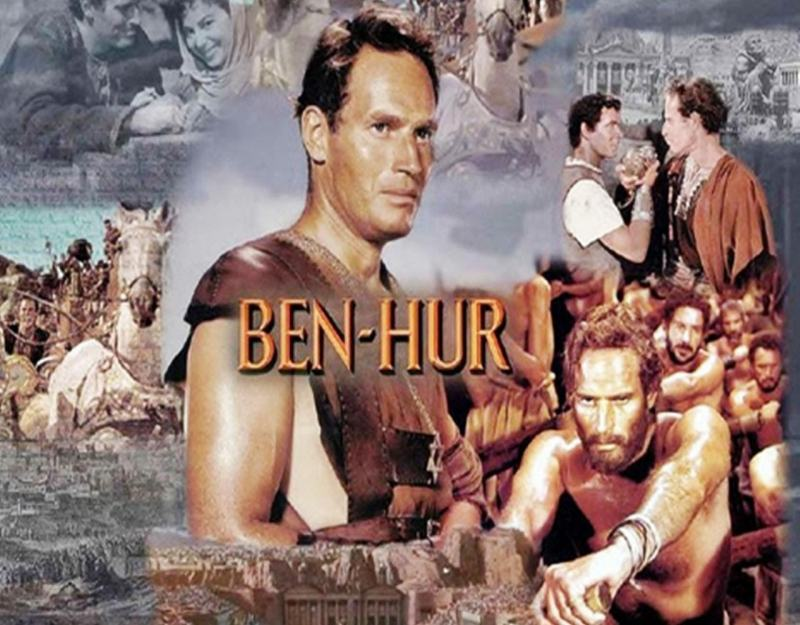
Award season cemented Ben-Hur’s legendary status. The film earned 11 Academy Awards — including Best Picture, Best Director, and Best Actor — a record unmatched for nearly 40 years. Only Titanic (1997) and The Lord of the Rings: The Return of the King (2003) have equaled that achievement. Its sweep represented the height of classical Hollywood filmmaking, where artistry, ambition, and innovation collided in perfect harmony.
More than a tale of revenge, Ben-Hur is rooted in timeless themes — faith, redemption, family loyalty, and the search for meaning amid suffering. The film’s portrayal of the life of Christ, subtly and reverently woven through Ben-Hur’s personal journey, added spiritual depth that resonated deeply with audiences. It remains one of cinema’s most powerful explorations of forgiveness over vengeance, a message that transcends eras and cultures.
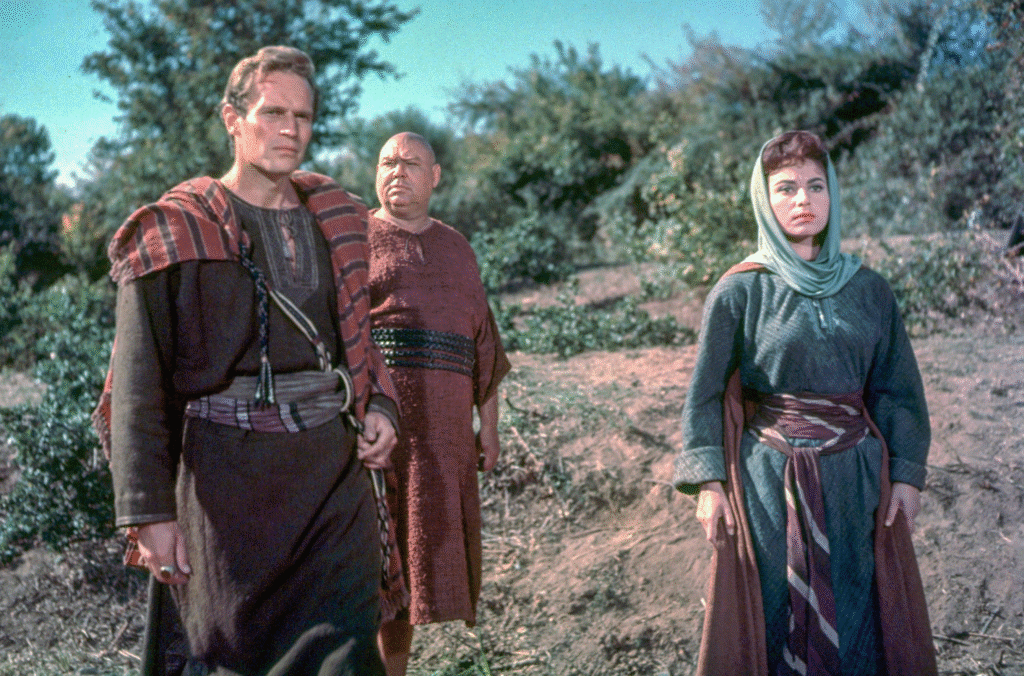
As decades passed and filmmaking evolved, Ben-Hur remained a benchmark. Film restoration experts frequently highlight it as a prime example of how traditional craftsmanship — vast sets, coordinated extras, handcrafted costumes — creates a sense of authenticity digital methods often struggle to replicate. Modern filmmakers continue to study Wyler’s techniques, proving the film’s influence extends far beyond its release year.
Today, Ben-Hur stands not only as a cinematic masterpiece, but as a monument to what human creativity can accomplish when limitations are pushed and imagination takes command. It is a film that refuses to fade, its legacy preserved through generations of filmmakers, historians, and movie lovers who marvel at its scale and soul. In an era of instant entertainment, its enduring power reminds us what true craftsmanship looks like.
More than six decades later, Ben-Hur remains a testament to courage, innovation, and artistic belief — proof that when filmmakers dare to dream without restraint, they create legends. Its legacy is not merely cinematic; it is cultural, spiritual, and deeply human. Ben-Hur (1959) continues to inspire, reminding the world that faith and perseverance can turn adversity into triumph, and that cinema is at its greatest when ambition meets heart.