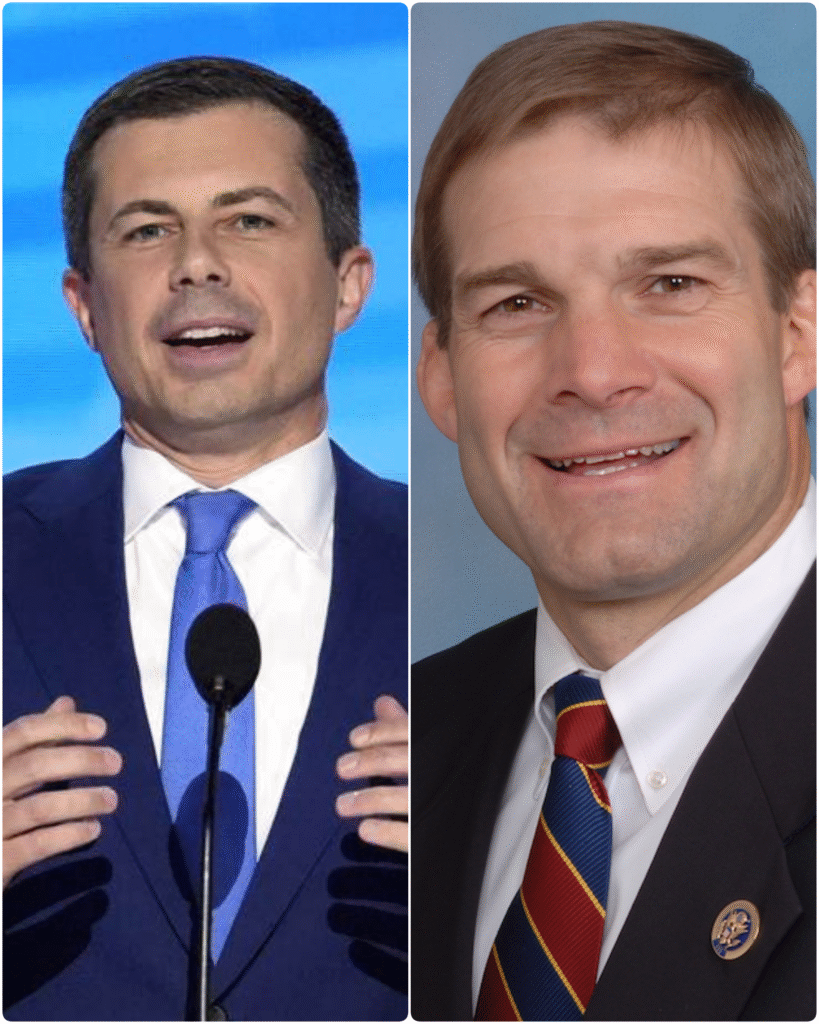
In the wake of a grinding federal shutdown, Representative Jim Jordan has drawn scrutiny for avoiding local media in central Ohio. Reporters say his office issued only a single statement in the past month, declining multiple interview requests. The silence contrasts with other Ohio Republicans, who have been only slightly more accessible. Analysts suggest Jordan’s approach may reflect a calculated communications strategy as political stakes climb and public frustration grows with Washington gridlock.
Jordan’s district, Ohio’s 4th Congressional District, remains overwhelmingly safe for Republicans, offering him unusual political insulation. That security may encourage selective engagement and shield him from local electoral consequences. Even so, critics say his low-profile approach risks appearing detached from constituents as national tensions rise and the economic pinch of the shutdown intensifies across the Midwest.
On Capitol Hill, Jordan continues to lead aggressive investigations into federal agencies, asserting they have been politically weaponized. Subpoenas and public statements from his committee highlight his ongoing push to challenge federal authority structures he claims are biased. Supporters see him as a constitutional watchdog; opponents argue he fuels partisanship and distrust in government institutions.

Yet controversies trail Jordan beyond committee rooms. Questions persist about his time as a wrestling coach at Ohio State University, where former athletes alleged he ignored abuse concerns. Jordan denies wrongdoing, but the issue remains a lingering cloud, resurfacing periodically as investigations and political battles intensify around him.
Jordan’s recent comments on immigration reinforced his hard-line stances. He blasted sanctuary-style policies as reckless and economically harmful, positioning himself as a leading voice for strict enforcement. His rhetoric underscores his effort to rally core conservative supporters ahead of future legislative fights and internal GOP power shifts.
Political insiders note Jordan has worked to broaden his appeal within the GOP, shifting at times from firebrand to would-be unifier. His silence with local reporters, however, complicates that image. Some experts argue this selective messaging reflects a national strategy aimed at influencing debates well beyond Ohio’s borders.

Observers say silence can be strategic — especially for politicians in safe districts — but it comes with risks. Constituents accustomed to accessibility may interpret avoidance as dismissiveness, particularly during a crisis directly affecting households, businesses, and public workers.
Meanwhile, Jordan’s committee is preparing to expand its inquiries into law-enforcement oversight and election-related issues, giving him a continued platform. Allies applaud this focus, calling it essential to restoring public trust in institutions. Critics warn it may inflame divisions at a moment requiring compromise and stability.
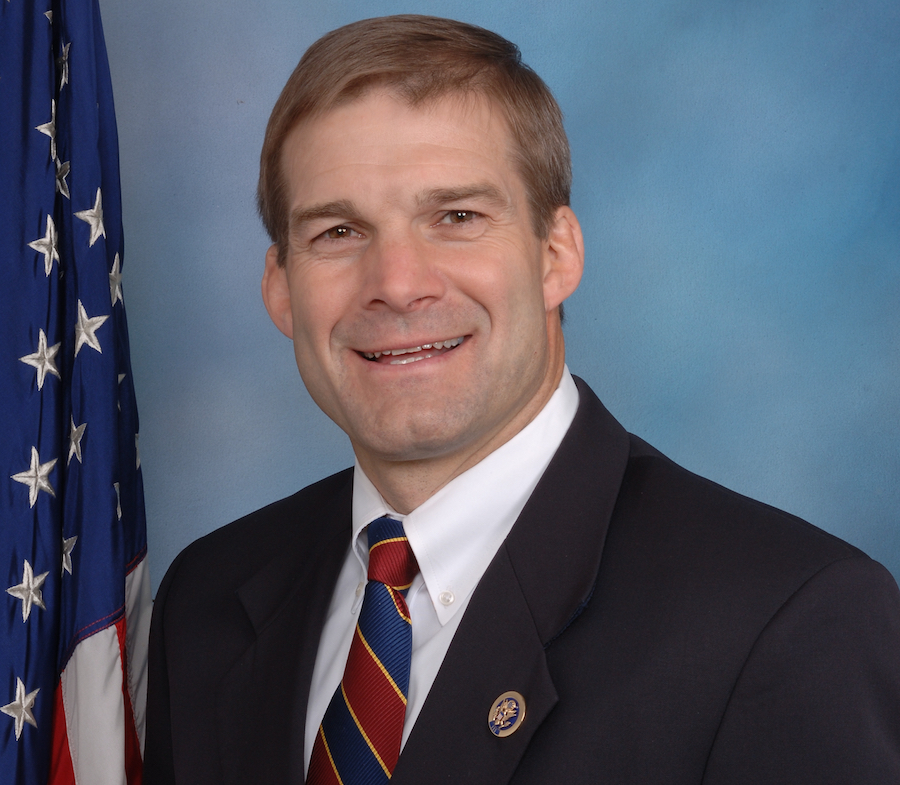
Frustration among local officials and journalists continues to mount as Jordan remains largely unreachable. Commentators warn that a representative who sidelines hometown media risks losing touch with the very voters who first elevated him to national prominence. Civic leaders emphasize that accountability begins at home, even for officeholders with national influence.
Backers insist Jordan’s national workload justifies his limited local presence. They argue his efforts to reshape federal oversight and immigration debates serve constituents by tackling root issues that impact communities across Ohio and the country. Their defense highlights the divide between local expectations and national political ambition.
As the shutdown persists and voter patience thins, Jordan’s communications strategy faces a critical test. Whether his limited media engagement proves disciplined messaging or damaging distance will likely shape his standing not only in Ohio but across the Republican Party. In an era defined by transparency demands, silence can be powerful — but it can also be perilous.