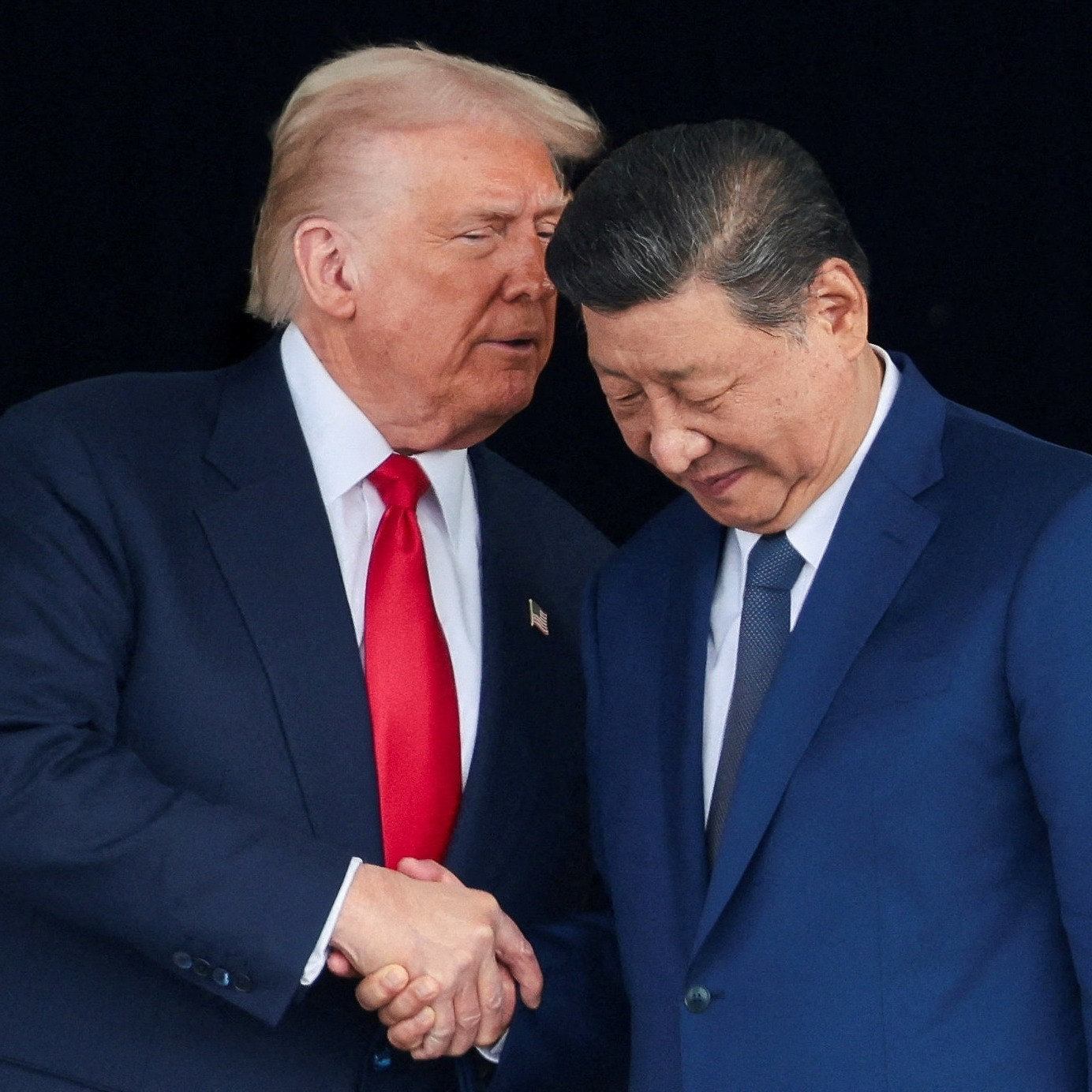
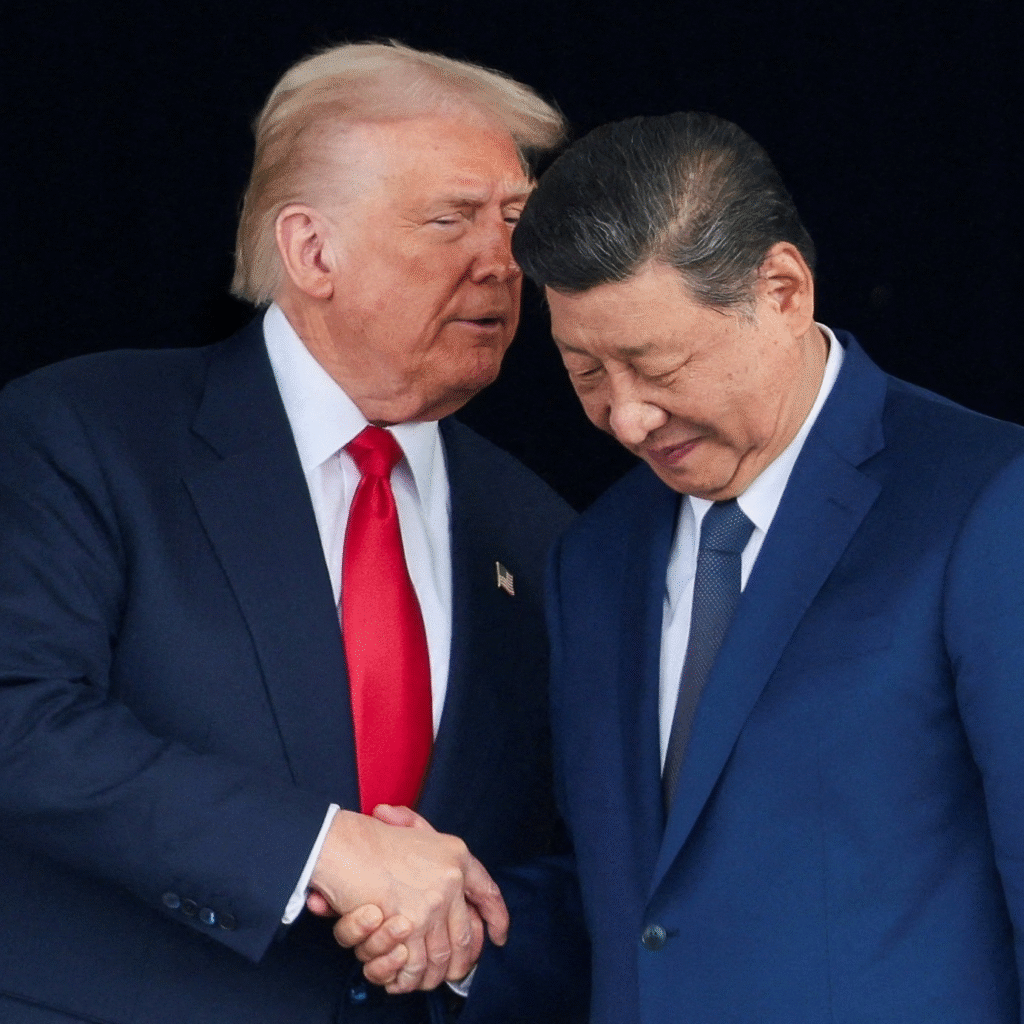
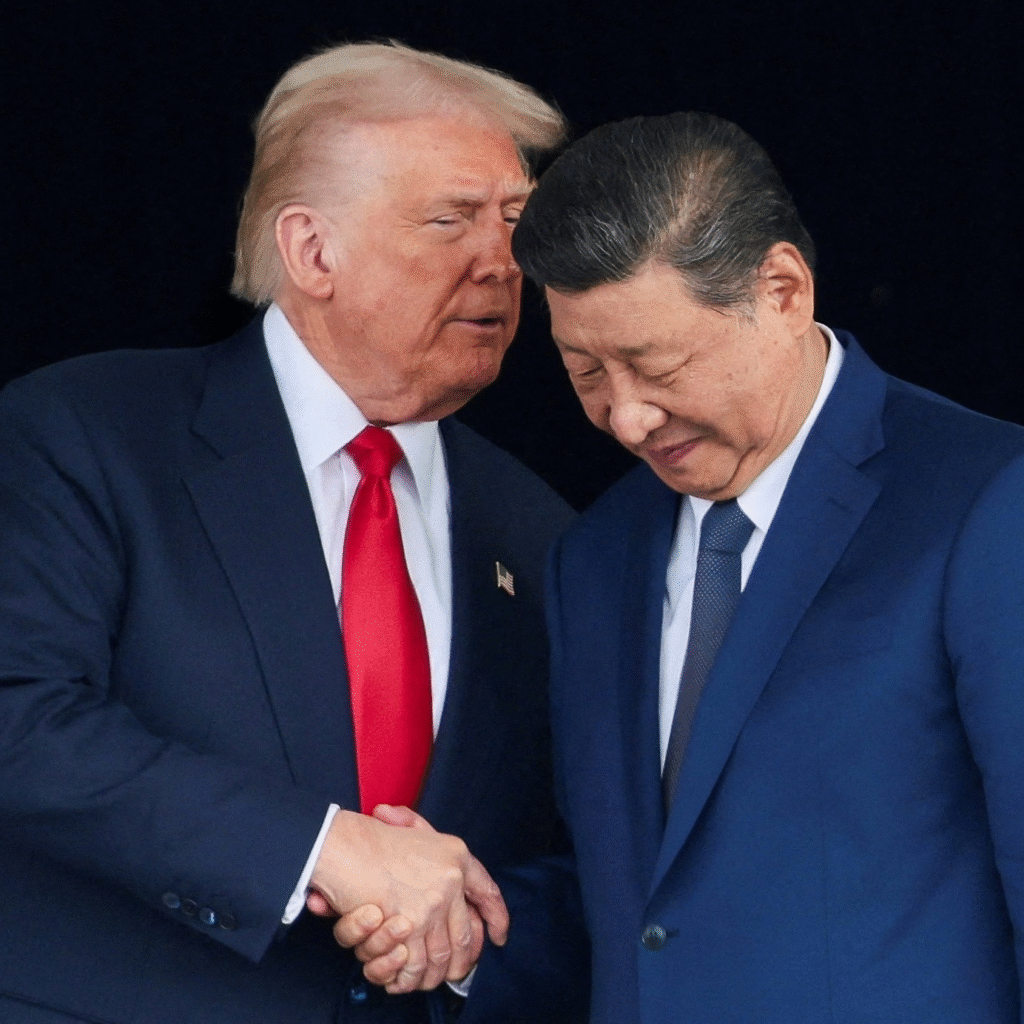
The United States farm belt is seeing a surge of optimism after Treasury Secretary Scott Bessent announced a major deal under which China will purchase 25 million metric tons of U.S. soybeans annually, with 12 million tons set for immediate delivery. The commitment, emerging from high-level diplomacy following talks between former President Donald Trump and Chinese President Xi Jinping, signals a possible reset in a trade relationship long defined by volatility, tariffs, and political brinkmanship. Markets reacted quickly as futures ticked upward, but analysts warn this is an agreement that will be judged not by headlines, but by cargoes loaded, contracts executed, and industries protected.
For U.S. farmers, the announcement could not come at a more critical moment. The agricultural economy has weathered turbulent years, whipsawed by droughts, shifting export markets, and geopolitical tensions that previously pushed China — historically America’s top soybean buyer — toward alternative suppliers in Brazil and Argentina. The renewed demand offers potential relief to growers who have endured income pressure and uncertainty about international markets. Still, rural producers remain cautious; promises have come before, and the shadow of previous trade wars lingers over every bushel set for export.
Politically, the deal carries enormous implications. Agricultural trade has often doubled as diplomatic leverage, and soybean purchases became symbolic during prior U.S.–China disputes. Securing a long-term commitment from Beijing may be leveraged domestically as a diplomatic and economic victory, but success will hinge on sustained follow-through. Any disruption — legislative, economic, or geopolitical — could again put farmers in the crossfire. Washington’s challenge now is not only celebrating the deal, but ensuring enforcement and confidence among American producers who refuse to be used as bargaining chips.
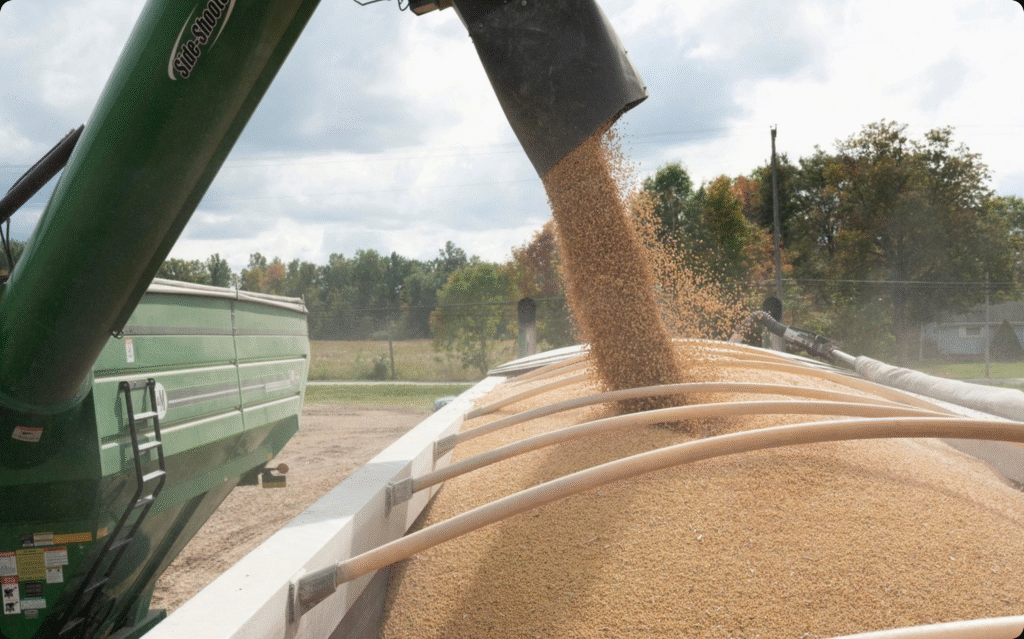
China’s decision reflects economic pragmatism as well as global supply dynamics. While the nation has invested heavily in diversified imports and domestic production, U.S. soybeans remain a key component of China’s food-security and livestock-feed strategies. Renewed purchasing signals Beijing’s willingness to stabilize agricultural ties despite broader strategic competition. However, Chinese officials have offered fewer public specifics about purchase mechanisms, prompting market analysts to watch carefully for evidence that promised shipments will materialize and not remain diplomatic talking points.
The global soybean market stands to feel the aftershocks quickly. Brazil and Argentina, which capitalized on prior U.S.–China trade fissures, will now face intensified competition for Chinese contracts. Commodity traders are already recalculating pricing models, and shipping and logistics firms anticipate a realignment of trade flows across Pacific routes. If executed fully, the deal could reshape supply priorities through ports in the U.S. Gulf and Pacific Northwest, strengthening America’s agricultural export network and rebalancing power among international grain suppliers.
Financial markets reacted swiftly, with Chicago Board of Trade soybean futures reversing earlier softness and trending upward. Analysts caution, however, that price stability will depend on sustained Chinese buying, weather patterns affecting harvest yields, and global demand patterns. Farm-state stakeholders are pushing for further clarity on shipment schedules, contract structures, and tariff conditions. Commodity groups welcomed the deal but urged continued vigilance to avoid the boom-and-bust cycles seen during previous trade disruptions.
At the policy level, the agreement has reignited debate over America’s reliance on agricultural exports to a single major buyer. Advocates herald renewed Chinese demand as essential for U.S. rural prosperity, while critics argue that diversification remains essential to long-term sector stability. With agricultural policy occupying a central role in election-year narratives, the soybean pact will likely shape discussions around subsidies, trade guarantees, and the role of federal support programs designed to protect farmers in turbulent global markets.
Strategically, the agreement highlights agriculture’s role in geopolitics. Soybeans have become more than a commodity — they are a diplomatic tool, an economic anchor, and a political signal. Both Washington and Beijing appear committed to lowering trade temperatures in at least one critical area. Yet neither government has suggested broader disagreements are easing, a reminder that agricultural cooperation can coexist with geopolitical rivalry. Fragility remains baked into the relationship, and economic interdependence does not erase strategic mistrust.
In farm communities across the Midwest, the mood is cautiously hopeful. Farmers interviewed across Iowa, Illinois, and Minnesota describe the deal as a “turning point,” though seasoned producers emphasize they have seen optimism evaporate before. Many say they will trust the agreement only when they see loaded barges and confirmed shipping contracts. Producers are also watching closely for improvements in grain prices and export volumes to reflect promised demand. For families who rely on soybean revenue, economic stability remains essential, not optional.
International observers note that the timing of the announcement — following high-profile meetings and during peak global uncertainty — adds to its significance. Agricultural trade can serve as a pressure valve in times of geopolitical stress, allowing cooperation even when diplomatic rhetoric hardens elsewhere. Analysts say the agreement may represent a pragmatic calculation by both countries: supporting domestic economic priorities while maintaining leverage in broader strategic negotiations. The durability of that calculation may define its legacy.
For now, the soybean agreement is a rare note of agricultural calm amid geopolitical turbulence. A pledge of 25 million tons annually, anchored by 12 million tons immediately, offers farmers relief and markets reassurance, but the final judgment will come not in press briefings but in silos filled, ships loaded, and contracts honored in months ahead. Whether this deal marks a lasting reset or a temporary detente will depend on disciplined execution from both Washington and Beijing — and patience from the American heartland watching closely for results.