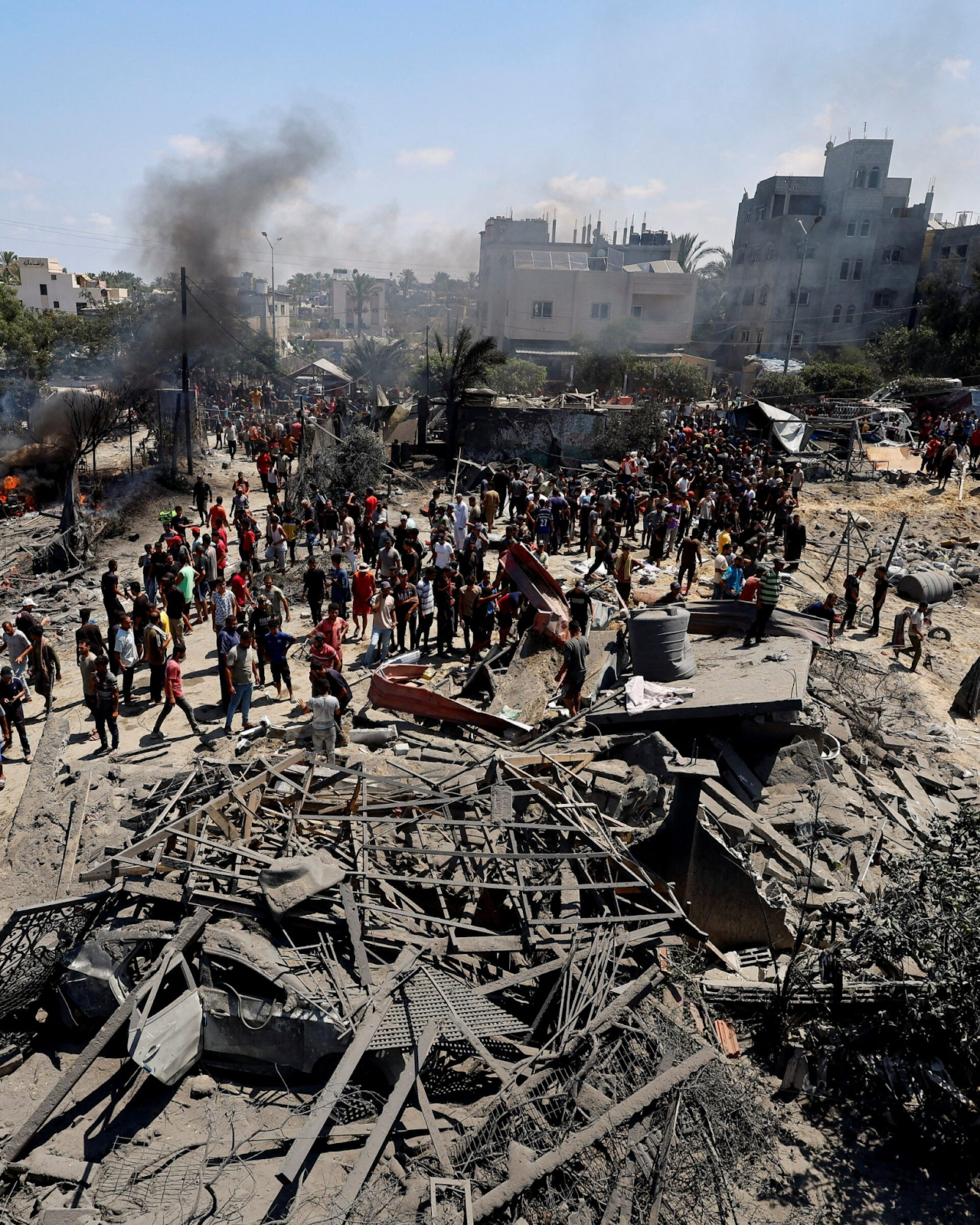
There are wars fought with rockets and there are wars fought with words. And sometimes, it’s impossible to tell which one leaves the deeper scar. When the ceasefire between Israel and Hamas reportedly crumbled under the weight of “multiple attacks” and a swift military response, the world didn’t just witness the end of a fragile truce — it watched the birth of another kind of battle: one fought in headlines, hashtags, and press conferences.
The ceasefire had lasted barely long enough for hope to breathe. Television anchors spoke in careful optimism, reporters repeated phrases like “tenuous calm,” and analysts dared to whisper the word “breakthrough.” But as dawn broke over the battered strip of land, the narrative changed — fast, loud, and unforgiving. Israel accused Hamas of violating the agreement with multiple attacks. Hamas claimed it was defending itself from Israeli provocation. Within hours, screens around the world were flooded with images that would define another chapter in a war that refuses to end.
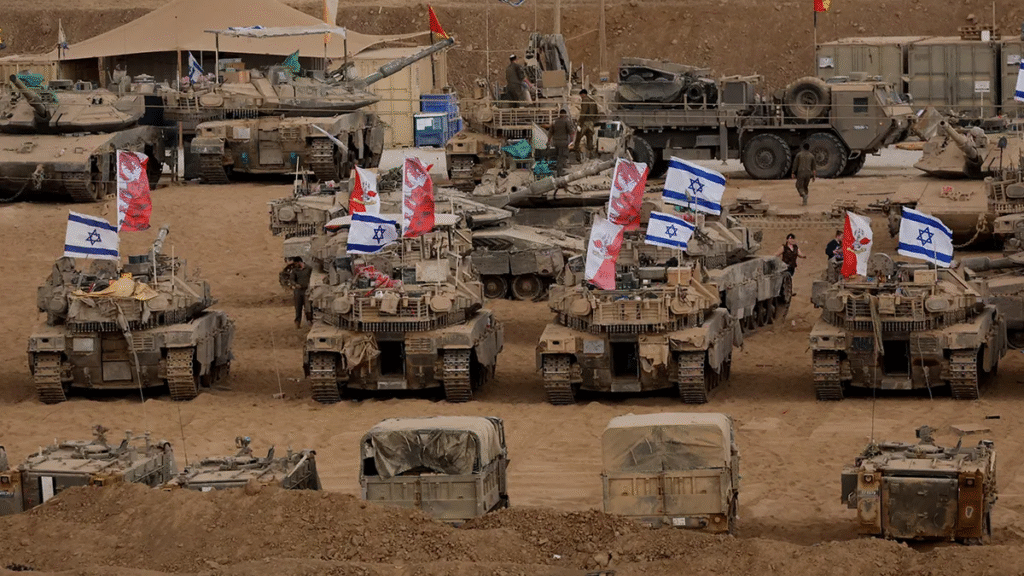
But beneath the explosions and the soundbites, a quieter truth lurks: ceasefires in modern warfare are no longer just about silencing guns. They’re about controlling the story. Every statement, every video, every image — becomes ammunition in a parallel front, where perception is the prize and the global audience is the battlefield.
For decades, the Israel–Hamas conflict has operated like a tragic cycle, looping through the same grim rhythm: attack, retaliation, outcry, diplomacy, ceasefire, collapse. What’s different now is how fast the loop spins. In the age of social media, every minute counts. The moment Israel’s Defense Forces accused Hamas of violating the ceasefire, the story detonated across newsrooms from Jerusalem to New York. Within minutes, hashtags like #CeasefireBroken and #GazaUnderFire trended on X and TikTok. Every side had its own footage, its own victims, its own moral high ground — and everyone was shouting at once.
That chaos is no accident. For both Israel and Hamas, the war of narratives is as vital as any ground operation. Governments release videos, journalists scramble to verify, influencers pick sides. A ceasefire, in this environment, becomes not just a military pause but a propaganda opportunity. The first side to claim “the other broke it” often wins the sympathy of millions who will never read the follow-up report.
And so, when the Israeli government said Hamas had launched multiple attacks in violation of the agreement, its statement wasn’t just a defense — it was a declaration of narrative control. The phrasing was surgical: “Hamas violated the ceasefire with multiple attacks leading to an IDF response.” In that single sentence, blame, justification, and consequence were packaged for instant consumption.
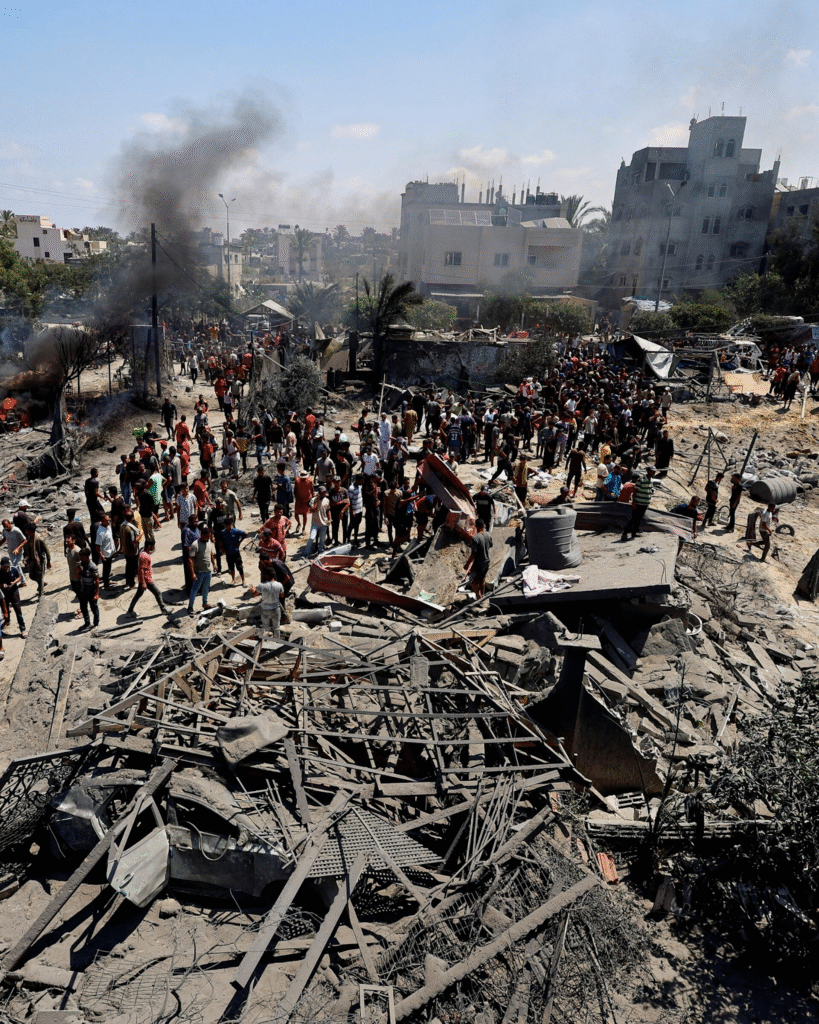
Hamas, of course, countered with its own framing. Its spokespeople accused Israel of “fabricating violations” to justify renewed aggression. They spoke of airstrikes disguised as “responses,” of broken promises, of humanitarian betrayals. Within hours, sympathetic voices amplified their version, arguing that the ceasefire had never been real — that it was, as one commentator put it, “a temporary PR stunt dressed up as diplomacy.”
And thus, the illusion of peace — brief, fragile, televised — shattered under the weight of words.
In Tel Aviv, the IDF’s media unit went into overdrive. Their official channels released clips of intercepted rockets and footage of precision airstrikes, all stamped with timestamps and official seals. In Gaza, local media and activist accounts uploaded videos of smoke, rubble, and screams. Viewers around the world, scrolling between feeds, faced a digital mirror maze: each side showing what it needed to show, each insisting on its truth.
By noon, the ceasefire was no longer a military issue — it was a media event. Politicians debated it, anchors dissected it, and algorithms fed on it. CNN ran with “Israel Responds to Ceasefire Violation”; Al Jazeera countered with “Israeli Strikes Shatter Fragile Truce.” The BBC spoke of “mutual accusations.” Fox News framed it as “Hamas Violates Truce, IDF Retaliates.” In a single morning, the world’s headlines became a linguistic battlefield — subtle, loaded, and globally watched.
This is the anatomy of modern conflict: not just rockets and retaliation, but rhetoric and reaction. The “information war” isn’t a metaphor anymore — it’s a full-scale front, with strategies, weapons, and casualties of its own.
Israel knows this better than anyone. Its digital diplomacy teams operate like newsroom professionals, crafting messages that emphasize legitimacy, defense, and precision. Every statement is engineered to sustain international support. Every photo aims to show restraint. Meanwhile, Hamas operates in the shadows of virality, relying on emotional imagery — wounded children, shattered homes, grieving families — to ignite outrage and sympathy across the Arab world and beyond. Each side speaks to a different audience, but both aim to win the same thing: narrative supremacy.
The tragedy, of course, is that truth rarely survives this kind of warfare. Somewhere between official statements and viral clips lies a reality too complex for a tweet — too nuanced for a headline. Ceasefires fail for many reasons: mistrust, miscommunication, sabotage, desperation. But online, those details fade. What remains are the visuals that confirm our biases and the words that make us feel justified.
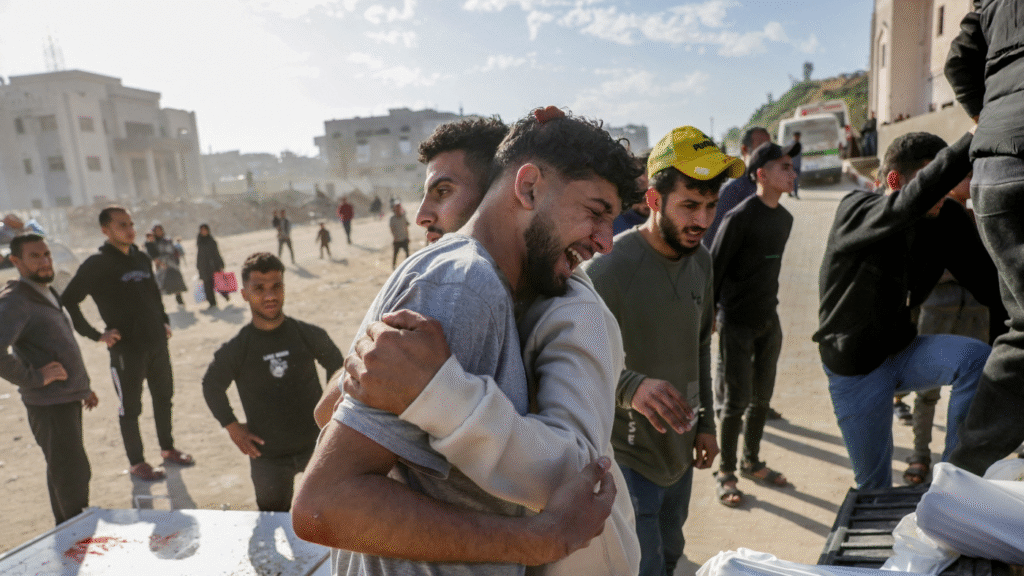
The United Nations, as usual, called for “restraint.” Diplomats used their familiar vocabulary — “de-escalation,” “humanitarian corridors,” “dialogue.” But those words now echo like background noise in a world addicted to immediacy. What’s diplomacy against the speed of outrage? What’s a UN statement when a viral video can shift global sentiment in seconds?
Inside Israel, domestic politics intensified the reaction. Hardline voices accused the government of being naïve to trust Hamas in the first place. Opposition figures said the ceasefire was “a gift to terrorists.” In Gaza, militant spokesmen declared victory for “resisting occupation.” The ceasefire’s collapse didn’t just resume war — it reignited ideological fires on both sides.
And across the ocean, Western governments scrambled to craft cautious responses. The White House expressed “concern,” reaffirming Israel’s right to defend itself while urging “proportionality.” European leaders echoed the same tone — weary, formulaic, desperate to avoid choosing sides too clearly. But online, neutrality doesn’t trend. Outrage does.
That’s the new battlefield — the one no army can control.
Within hours, influencers, activists, and pseudo-experts flooded social media with commentary. Some quoted casualty figures from sources that hadn’t yet been verified. Others reposted images from unrelated conflicts, repackaged as “breaking news.” The result was confusion so thick that even journalists struggled to separate fact from fiction.
For the millions of people watching, the truth became emotional rather than factual. They chose the version that aligned with their empathy, their politics, their feed. The ceasefire wasn’t just broken — it was rewritten in real time by the crowd.
And that’s the essence of the “ceasefire illusion.” It’s not just about the guns falling silent; it’s about the illusion that the truth can too.
In the digital era, peace talks are as much about public relations as they are about diplomacy. Every truce carries a countdown — not just to its potential collapse, but to its eventual reframing online. When Israel says Hamas broke the ceasefire, it’s speaking to Washington, Brussels, and every living room watching the news. When Hamas accuses Israel of lying, it’s speaking to Cairo, Doha, and every timeline that amplifies resistance. Both know their audiences. Both play their parts.
Meanwhile, the civilians caught in between refresh their phones to see whether they’re being portrayed as victims, statistics, or propaganda tools. Their suffering becomes a data point in a global argument — mourned, shared, politicized, forgotten.
The most dangerous part of this isn’t just misinformation — it’s fatigue. When every ceasefire fails and every statement contradicts another, the world begins to tune out. Outrage becomes routine. Empathy becomes rationed. Viewers stop asking “why” and start asking “what now?” It’s in that exhaustion that violence finds room to grow again.
So when the next ceasefire is announced — and there will be another, because there always is — it will come wrapped in the same fragile optimism and skepticism. Reporters will quote unnamed sources about “progress.” Officials will shake hands for cameras. Commentators will remind us that “both sides have agreed to stop.” And deep down, everyone will wonder how long before the headlines change again.
The cycle will continue — because in a world where every truth competes for attention, peace itself becomes a temporary trend.
Perhaps the only way to end the illusion is to stop pretending that ceasefires are the end of something. They’re not. They’re the pause between stories — the quiet moment when each side reloads its weapons, edits its footage, and drafts its next statement.
In that sense, the “ceasefire” is no longer a promise of peace. It’s a promise of the next war — both on the ground and in the feed.
And as long as the world keeps consuming these conflicts like episodes in an endless series, the same script will play again: rockets, outrage, rhetoric, repeat.
Until the day the headlines stop changing — not because someone claimed victory, but because there’s finally nothing left to fight over.