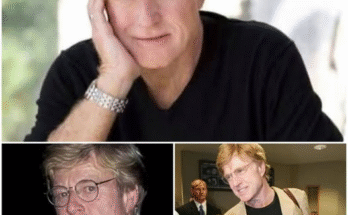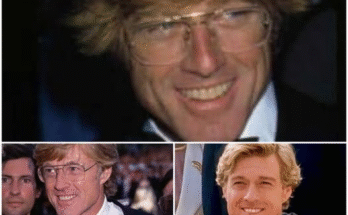
From the moment Brad Pitt appeared on screen, critics and fans couldn’t help but notice something uncanny — a reflection of another era, another icon. With his golden hair, blue eyes, and effortless charm, Pitt seemed to carry the unmistakable aura of Robert Redford, one of Hollywood’s most enduring legends.
Robert Redford rose to fame in the 1960s and 70s, defining the image of the all-American movie star: confident yet reserved, handsome yet thoughtful. He was the man every director wanted in front of the camera and every audience member admired. When Brad Pitt entered Hollywood two decades later, his magnetism felt strikingly familiar — a modern echo of that same easy grace.
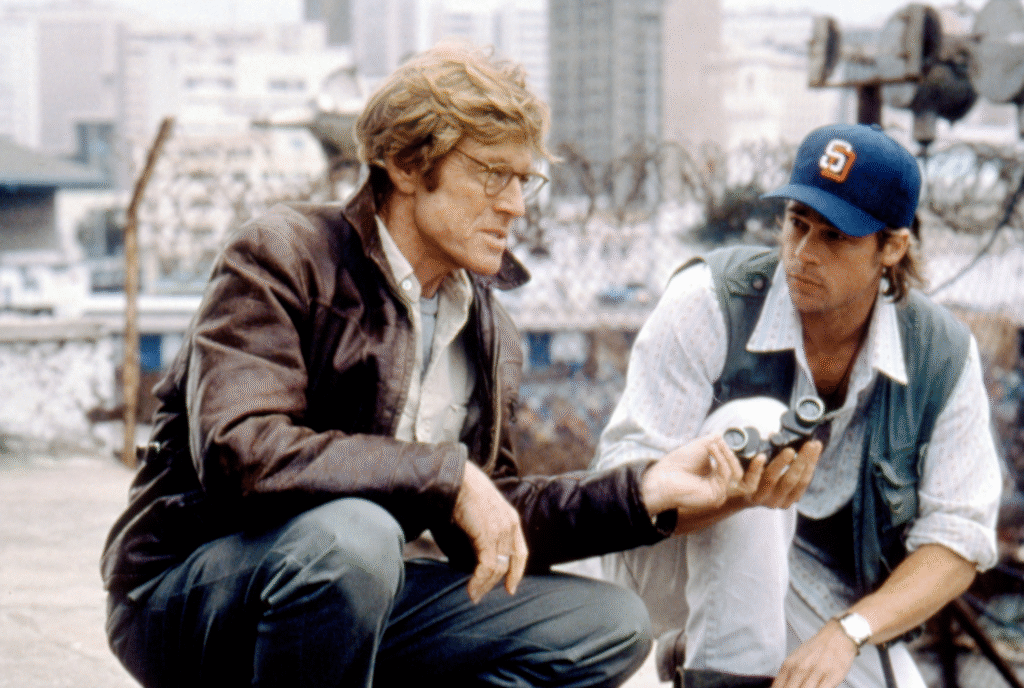
The resemblance between the two has been a topic of fascination for decades. Fans often point to photos of a young Redford and a young Pitt, calling them “mirror images.” The resemblance isn’t just about looks — it’s about an energy, a spirit, and a way of holding the screen that seems timeless.
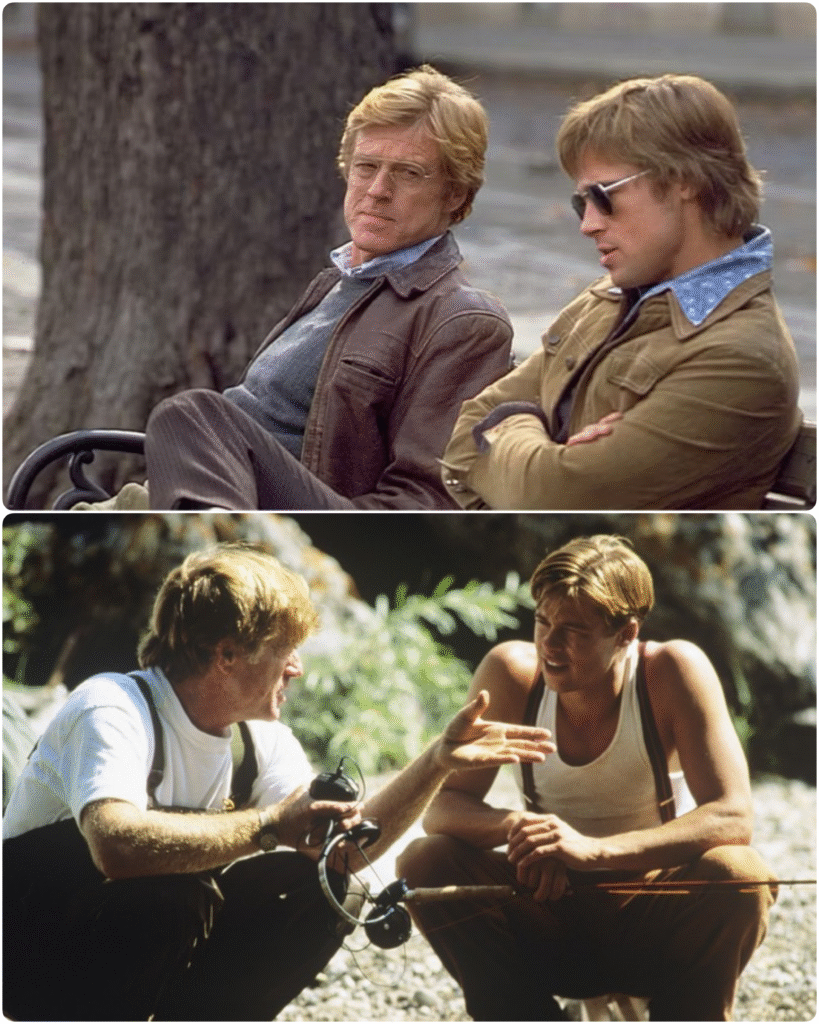
That connection became literal in 1992, when Redford directed A River Runs Through It, casting Pitt in a role that felt almost autobiographical — the free-spirited, rebellious younger brother. Critics at the time called it a symbolic “passing of the torch” between generations of Hollywood heartthrobs.
But beneath their beauty lies ambition. Both Redford and Pitt have spent their careers fighting to be taken seriously beyond their appearances. Redford transitioned from actor to director, winning Oscars and founding the Sundance Film Festival. Pitt, too, evolved into a producer of powerful, socially aware films, earning recognition not just for his face, but for his taste and vision.
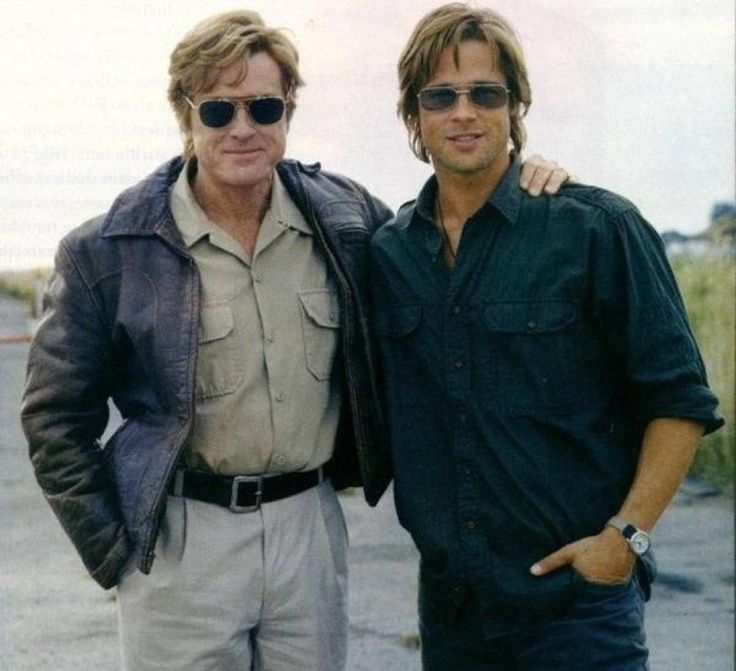
Their paths, though separated by time, share similar arcs — from adored actors to respected filmmakers. Redford explored the moral landscape of America through films like All the President’s Men and The Candidate. Pitt did the same in Moneyball and The Big Short, challenging systems, questioning power, and redefining masculinity in his own era.
Even their public personas align. Both men are known for their calm intelligence, political awareness, and quiet charisma. Neither chases fame; both attract it. They represent a brand of Hollywood that values substance over spectacle — a quality that feels increasingly rare today.
Still, there are differences worth noting. Redford’s rugged 1970s masculinity came from a time when stars embodied stoic independence. Pitt’s charisma, shaped by the modern world, balances confidence with vulnerability. Yet, in both, there’s an authenticity that audiences instinctively trust.
The fascination with their resemblance has sparked countless comparisons online. Some fans even joke that Pitt must be Redford’s long-lost son. The truth, of course, is simpler — but perhaps more poetic. Hollywood occasionally creates patterns, repeating the same kind of magic through new faces
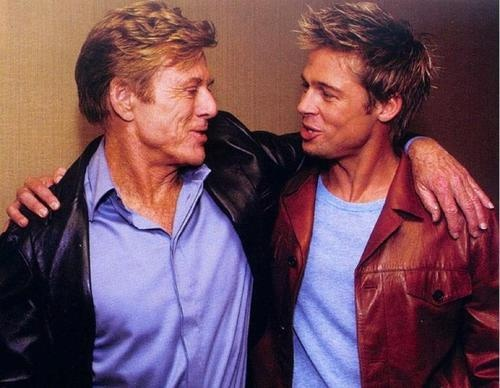
What connects them isn’t genetics, but legacy. Redford helped define what an American movie star could be; Pitt inherited that definition and gave it a contemporary soul. Together, they form a cinematic bridge — one that links the golden age of film with the complexities of modern storytelling.
And as the lights dim on one era and rise on another, Robert Redford and Brad Pitt remind us that true charisma never fades. It simply takes on a new face, a new moment — but the same unmistakable spark that has kept Hollywood dreaming for generations. 🌅