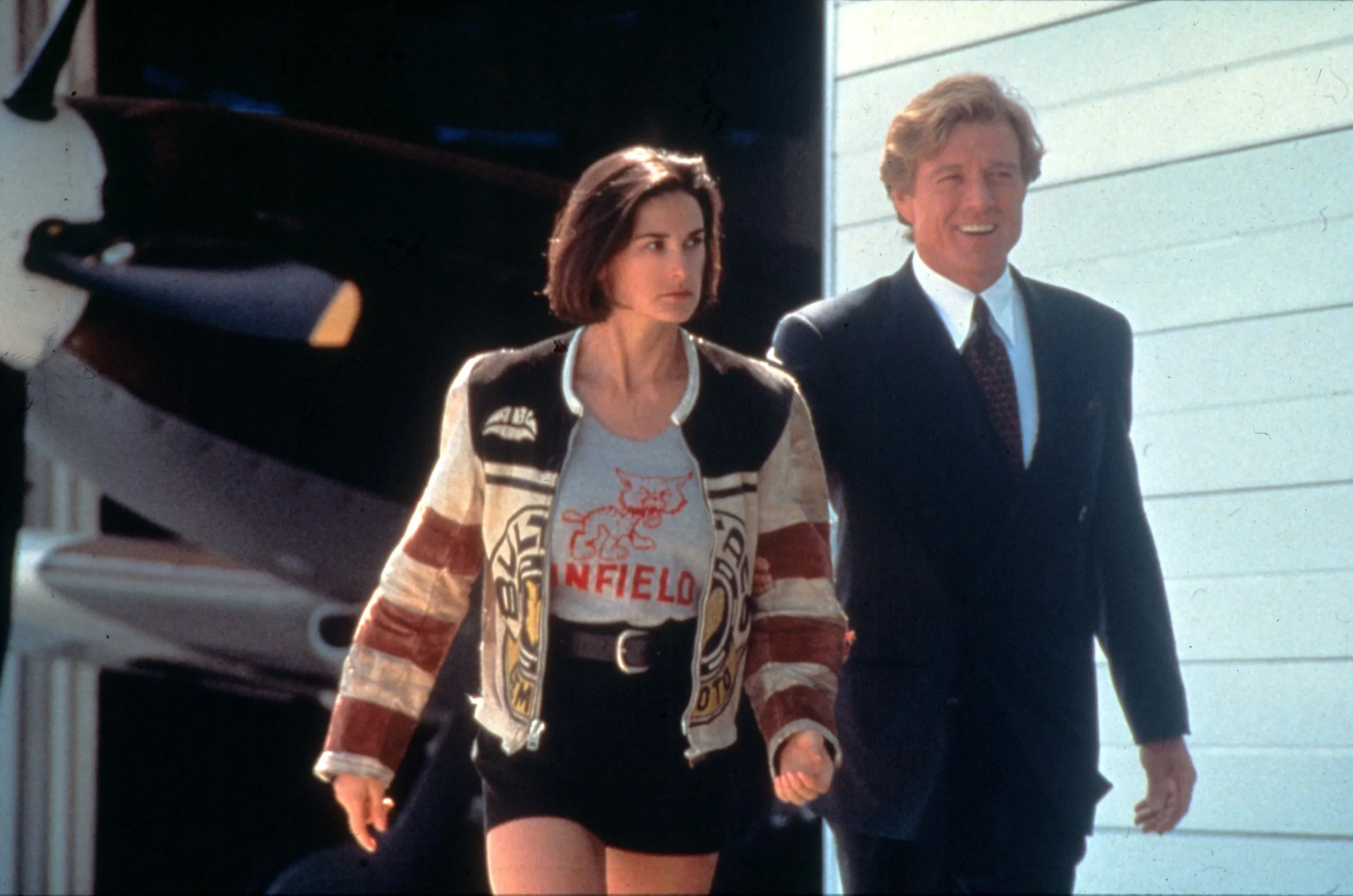
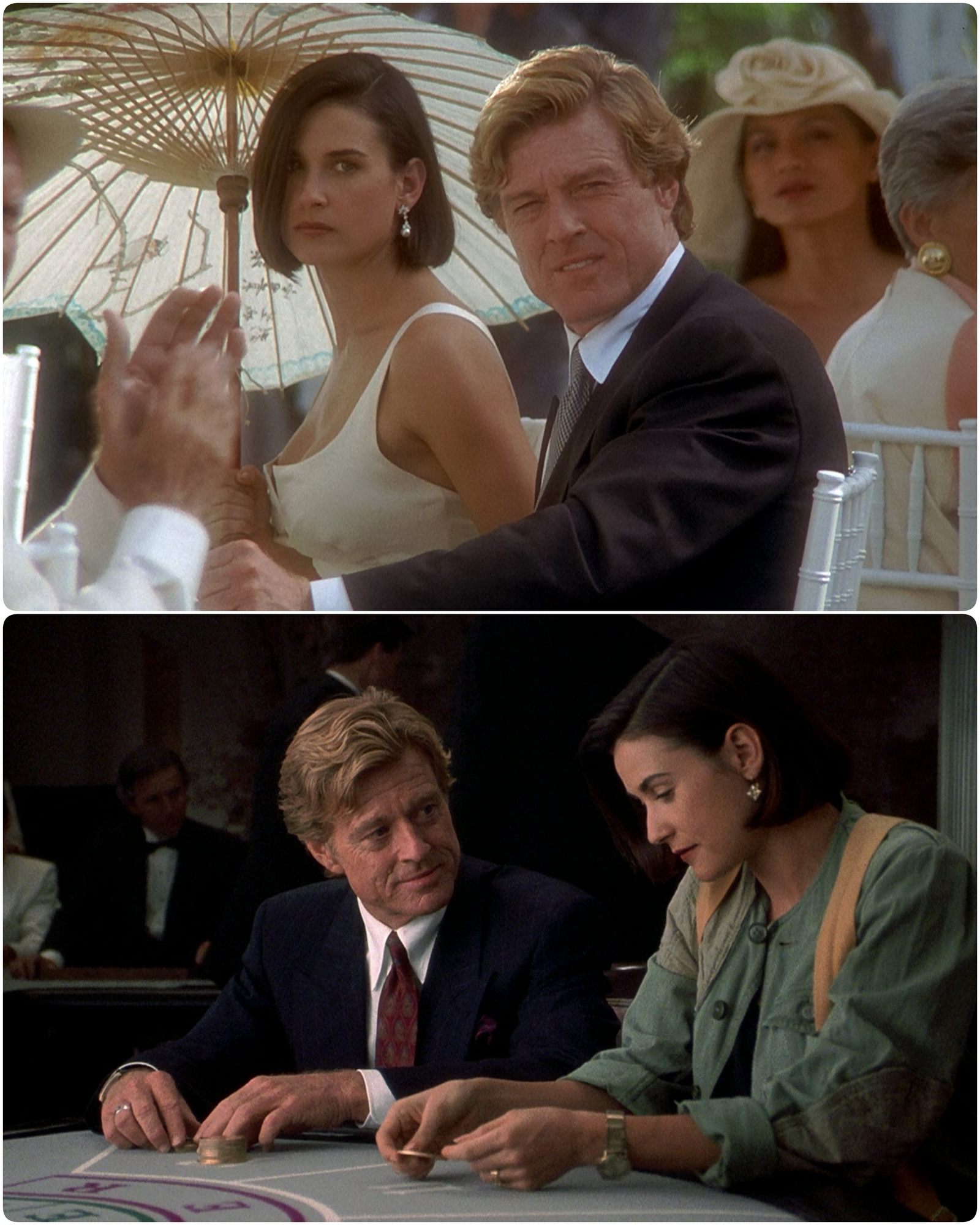
Few films in the early ’90s struck the public conscience quite like Indecent Proposal. Directed by Adrian Lyne — the same visionary behind Fatal Attraction — it dared to ask a question so provocative it still divides audiences today: Would you sell your love for one night if the price was one million dollars? It wasn’t just a film; it was a cultural lightning bolt that exposed the fragile boundary between love, money, and morality.
The story follows David and Diana Murphy, played by Woody Harrelson and Demi Moore, a young married couple whose love seems unbreakable until financial desperation drives them into a moral storm. When billionaire John Gage, portrayed by Robert Redford, offers them a life-changing sum in exchange for one night with Diana, their world begins to crumble — not because of the act itself, but because of what it reveals about trust, pride, and the human heart.
Audiences were mesmerized and disturbed. Was it greed that guided their decision? Was it curiosity? Or the cruel reality of how easily love can be tested when money is on the table? Lyne didn’t give easy answers — he forced viewers to confront their own values, to ask themselves, What would I do?
Demi Moore delivers one of the most emotionally raw performances of her career. Her Diana is not a victim, nor a manipulator — she is every person torn between love and survival, between passion and self-respect. Moore’s eyes carry the film’s heartbreak, a silent war between morality and desire.
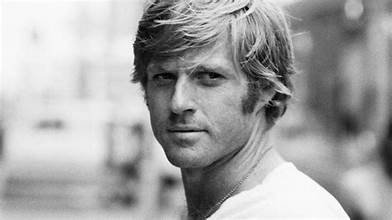
Robert Redford, elegant and magnetic, turns Gage into something more than a wealthy suitor. He is temptation personified — a man who doesn’t need to seduce, only to offer. His calm confidence blurs the line between villain and savior, forcing the audience to question whether his offer is evil or simply honest about what many secretly desire: power, security, and the illusion of control.
What follows is not a story of lust, but of consequences. The million dollars may solve their debts, but it shatters their innocence. Jealousy festers, guilt grows, and the love once pure becomes poisoned by doubt. Every glance between David and Diana becomes a battlefield where words are no longer enough.
Lyne’s direction is hypnotic — every scene soaked in slow, sensual tension. The camera lingers not on the act of love, but on its aftermath: trembling hands, silent tears, and the unbearable weight of regret. The lush cinematography and John Barry’s haunting score elevate the film beyond romance or drama — it becomes a psychological confession.
Critics were sharply divided. Some dismissed it as glossy melodrama; others saw it as a daring exploration of human weakness. Yet its emotional honesty endures. Indecent Proposal doesn’t moralize — it reflects. It shows how love can bend, break, and sometimes rebuild itself, but never without scars.
Watching it today, the film feels eerily modern. In an age where relationships are often measured by status, wealth, and image, its central question still echoes: Would you give away one night for a lifetime of comfort? The moral dilemma remains as seductive — and painful — as ever.
Redford’s Gage is not the devil; he is the mirror of our desires. Through him, we see how every heart can be tempted when survival and ambition collide. The true indecency, perhaps, is not the offer itself — but the realization that every person has a breaking point.
Three decades later, Indecent Proposal remains a haunting reflection on love, power, and the cost of desire. It is a film that whispers to our conscience and dares us to face our hidden truths. Because love, after all, is priceless — until someone offers you a million dollars.