In a moment that has quickly drawn global attention, Pope Leo XIV issued a statement that cut sharply through political and cultural noise. Addressing a controversial incident involving Pete Hegseth, the Pope spoke with a clarity that left little room for ambiguity or reinterpretation.
The controversy began when Hegseth reportedly cited a fabricated Bible verse—originating from the film Pulp Fiction—to justify a broader argument connected to war. What might have been dismissed as rhetorical flourish quickly escalated, raising deeper concerns about the intersection of faith, influence, and public messaging.
For the Vatican, the issue was not simply about accuracy, but about integrity. In his response, Pope Leo XIV did not soften his tone. Instead, he addressed the matter directly, framing it as part of a larger and more troubling pattern: the distortion of sacred teachings to serve worldly agendas.
“Woe to those who manipulate religion and the very name of God,” he declared, “for their own military, economic, and political gain.” The words carried a weight that extended beyond the immediate controversy, touching on a historical tension that has resurfaced repeatedly across generations.
The Pope’s statement emphasized that faith, by its very nature, is meant to guide toward peace, reflection, and moral responsibility. To repurpose it as justification for conflict, he suggested, is not merely a misunderstanding—it is a fundamental contradiction of its purpose.
Observers noted the deliberate strength of his language. By invoking imagery of sacredness being dragged “into darkness and filth,” the Pope underscored the seriousness with which the Church views such actions. It was not a symbolic rebuke, but a clear moral boundary drawn in public view.
The reaction was immediate. Across social platforms and international commentary, the statement sparked intense debate. Supporters praised the clarity and conviction of the message, seeing it as a necessary defense of spiritual integrity. Critics, however, questioned the broader implications of such direct engagement with political rhetoric.
Yet beyond the immediate reactions, the moment highlights a deeper issue: the power of language when it intersects with belief. In a media landscape where influence can amplify any message, the line between reference and authority can blur, especially when sacred texts are invoked.
For Pope Leo XIV, the responsibility appears clear. Faith, in his view, is not a tool to be adapted for convenience or persuasion. It is a foundation that demands respect, particularly when it enters conversations about life, conflict, and human consequence.
The incident also reflects the broader challenge facing institutions today—how to respond when deeply held beliefs are drawn into fast-moving, often polarizing public discourse. Silence can be interpreted as acceptance, while response risks further escalation.
In choosing to speak, the Pope has positioned the Church firmly within the conversation, not as a political actor, but as a moral voice. His statement does not resolve the controversy, but it reframes it—shifting the focus from a single remark to a larger question about the boundaries between faith, power, and responsibility.
thay thành 👉𝑭𝒖𝒍𝒍 𝒂𝒓𝒕𝒊𝒄𝒍𝒆: https://read.usnews24s.com/faith-and-power-collide-pope-leo-xiv-condemns-misuse-of-scripture-in-war-rhetoric/
thay thành Timothy Dolan
Faith and Power Collide: Timothy Dolan Condemns Misuse of Scripture in War Rhetoric
👉𝑭𝒖𝒍𝒍 𝒂𝒓𝒕𝒊𝒄𝒍𝒆: https://read.usnews24s.com/faith-and-power-collide-pope-leo-xiv-condemns-misuse-of-scripture-in-war-rhetoric/
In a moment that has quickly drawn global attention, Timothy Dolan issued a statement that cut sharply through political and cultural noise. Addressing a controversial incident involving Pete Hegseth, the Cardinal spoke with a clarity that left little room for ambiguity or reinterpretation.
The controversy began when Hegseth reportedly cited a fabricated Bible verse—originating from the film Pulp Fiction—to justify a broader argument connected to war. What might have been dismissed as rhetorical flourish quickly escalated, raising deeper concerns about the intersection of faith, influence, and public messaging.
For the Church, the issue was not simply about accuracy, but about integrity. In his response, Cardinal Dolan did not soften his tone. Instead, he addressed the matter directly, framing it as part of a larger and more troubling pattern: the distortion of sacred teachings to serve worldly agendas.
“Woe to those who manipulate religion and the very name of God,” he declared, “for their own military, economic, and political gain.” The words carried a weight that extended beyond the immediate controversy, touching on a historical tension that has resurfaced repeatedly across generations.
The statement emphasized that faith, by its very nature, is meant to guide toward peace, reflection, and moral responsibility. To repurpose it as justification for conflict, he suggested, is not merely a misunderstanding—it is a fundamental contradiction of its purpose.
Observers noted the deliberate strength of his language. By invoking imagery of sacredness being dragged “into darkness and filth,” the Cardinal underscored the seriousness with which the Church views such actions. It was not a symbolic rebuke, but a clear moral boundary drawn in public view.
The reaction was immediate. Across social platforms and international commentary, the statement sparked intense debate. Supporters praised the clarity and conviction of the message, seeing it as a necessary defense of spiritual integrity. Critics, however, questioned the broader implications of such direct engagement with political rhetoric.
Yet beyond the immediate reactions, the moment highlights a deeper issue: the power of language when it intersects with belief. In a media landscape where influence can amplify any message, the line between reference and authority can blur, especially when sacred texts are invoked.
For Cardinal Dolan, the responsibility appears clear. Faith, in his view, is not a tool to be adapted for convenience or persuasion. It is a foundation that demands respect, particularly when it enters conversations about life, conflict, and human consequence.
The incident also reflects the broader challenge facing institutions today—how to respond when deeply held beliefs are drawn into fast-moving, often polarizing public discourse. Silence can be interpreted as acceptance, while response risks further escalation.
In choosing to speak, Cardinal Dolan has positioned the Church firmly within the conversation, not as a political actor, but as a moral voice. His statement does not resolve the controversy, but it reframes it—shifting the focus from a single remark to a larger question about the boundaries between faith, power, and responsibility.
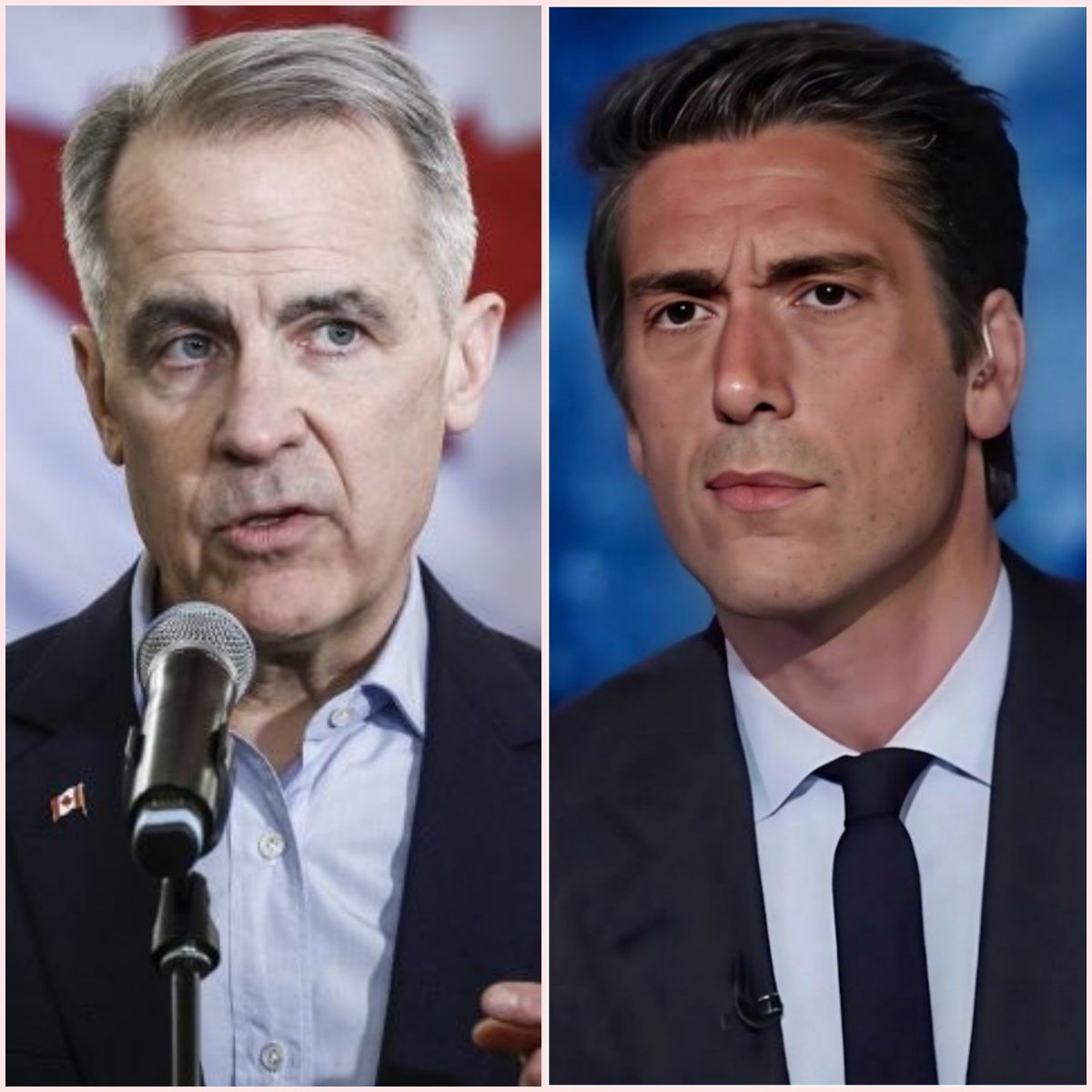
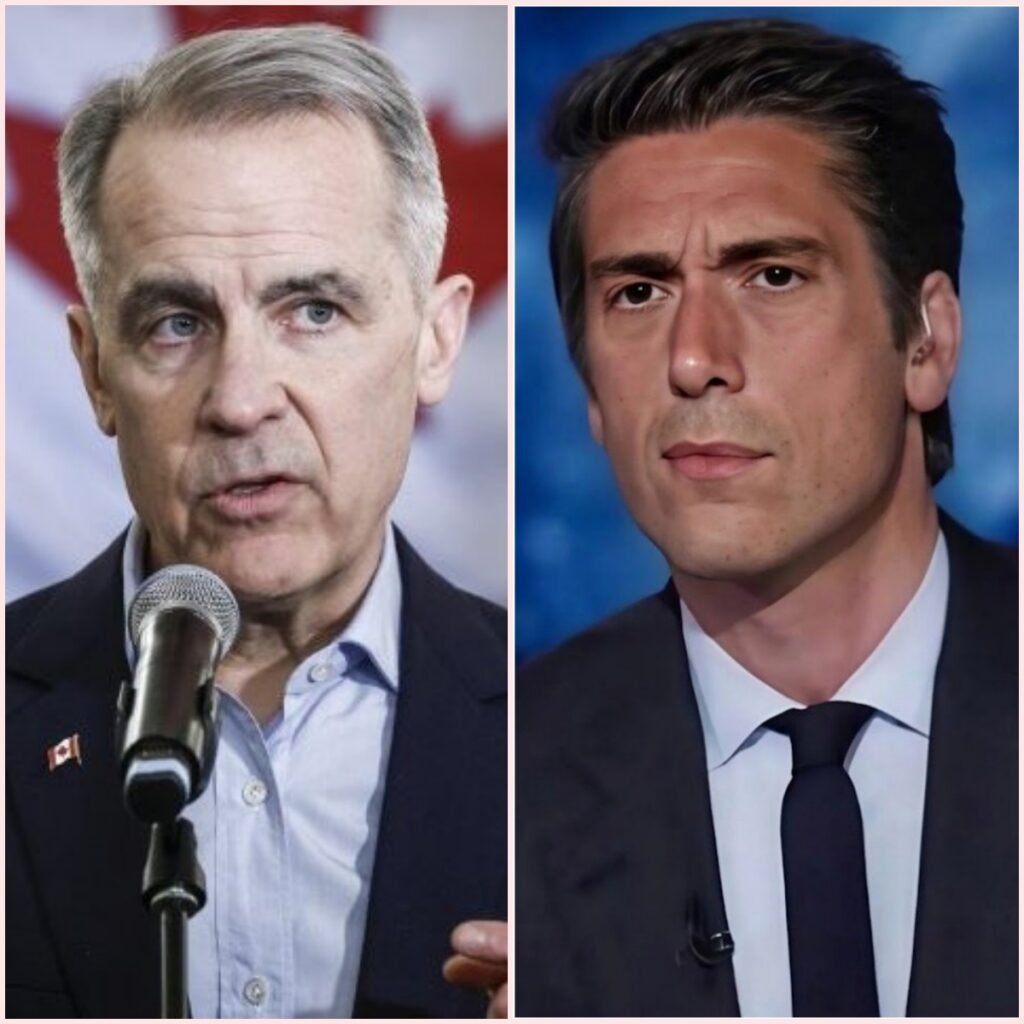
“HE DIDN’T KNOW MARK CARNEY HEARD IT…” — ABC anchor David Muir suspended after Mark Carney releases the recording 😳🔥 It happened off-air — or at least, it was supposed to. A casual remark, whispered by ABC anchor David Muir between segments, was never meant to leave the studio. But Mark Carney heard it. And he didn’t let it slide. Within hours, the clip — grainy and shaky but deeply damning — was everywhere. No context needed. No way to spin it. Just the anchor’s own words, sharp enough to cut through years of carefully built credibility. Insiders say ABC executives immediately went into “emergency mode,” pulling David Muir from broadcast while lawyers and PR teams scrambled to contain the damage. But for Mark Carney, this wasn’t just about one careless comment — it was about confronting what he described as “a culture of bias hiding in plain sight.” The fallout was immediate. Rival networks circled like sharks, while viewers split into two camps — some outraged, others praising Mark Carney for exposing the incident. Across newsroom group chats throughout the media industry, producers reportedly began nervously reconsidering what they say when they believe the cameras aren’t rolling. This wasn’t just a hot-mic moment. It was a reckoning. And now, the entire media world is on notice… 🔥 giờ hãy nhập vai nhà báo nói tin tức này và làm theo yêu cầu: – viết content tiếng anh – hay, sâu sắc, cuốn hút – dựa theo nội dung tôi có hoặc tên phim tôi gửi – có tiêu đề – khoảng 11 đoạn viết liền mạch không sticker và mỗi đoạn 60 từ
A Hot Mic Reckoning: Mark Carney and David Muir at the Center of a Media Storm
What was meant to remain unheard has now become impossible to ignore. In a moment that unfolded off-air, a remark attributed to David Muir has ignited a controversy that quickly moved beyond the walls of the studio. At the center of it stands Mark Carney, who chose not to remain silent.
According to circulating accounts, the comment was made casually between segments, a brief exchange assumed to be private. Yet circumstances shifted when Carney became aware of it. What followed was not immediate confrontation, but a decision that would soon reshape the narrative—bringing a private moment into public view.
Within hours, a recording began to spread across digital platforms. Grainy in quality yet striking in impact, the clip required little interpretation. It was presented as raw, unfiltered, and detached from the usual layers of editorial framing. For many viewers, that alone gave it a sense of authenticity difficult to dismiss.
As the clip gained traction, attention turned toward ABC News, where internal response reportedly accelerated. Sources described a rapid shift into crisis management, with executives assessing both the content of the recording and its broader implications. The network faced not just a reputational challenge, but a question of internal accountability.
Reports indicated that Muir was temporarily removed from broadcast while the situation was reviewed. Though official statements remained measured, the absence itself became part of the story. In a media landscape driven by visibility, silence can carry its own form of significance.
For Carney, the issue extended beyond a single remark. He framed it as part of a wider concern—what he described as a “culture of bias hiding in plain sight.” His response suggested that the incident was not isolated, but reflective of deeper patterns within media institutions that often go unexamined.
The public reaction was immediate and divided. Some viewers expressed outrage, viewing the recording as evidence of compromised neutrality. Others questioned the context, cautioning against conclusions drawn from a brief, off-air moment. The divide highlighted an ongoing tension between perception and interpretation in modern media.
Across the industry, the impact was felt quickly. Newsrooms, often built on controlled communication, found themselves confronting an uncomfortable reminder: not everything remains behind the scenes. Conversations once assumed private now carried the risk of exposure, altering the way professionals navigate even informal exchanges.
Rival networks, meanwhile, moved swiftly to cover the unfolding story. The incident became not just a report, but a reflection of broader concerns about trust, transparency, and the responsibilities carried by those who shape public narratives. In doing so, it amplified questions that extend far beyond one individual or organization.
The phrase “hot mic moment” has long been part of media vocabulary, but this instance appears to carry a different weight. It is not only about what was said, but about what it reveals—about systems, expectations, and the fragile line between public image and private expression.
For Muir, the path forward remains uncertain, shaped by internal review and public perception. For Carney, the decision to release the recording has positioned him as both participant and catalyst in a wider debate. Each action now feeds into a narrative still unfolding in real time.
As the story continues to develop, one reality stands clear: the boundaries between private and public speech are increasingly porous. In that space, accountability takes on new meaning. What was once fleeting can become permanent, and what was once unheard can reshape conversations across an entire industry.