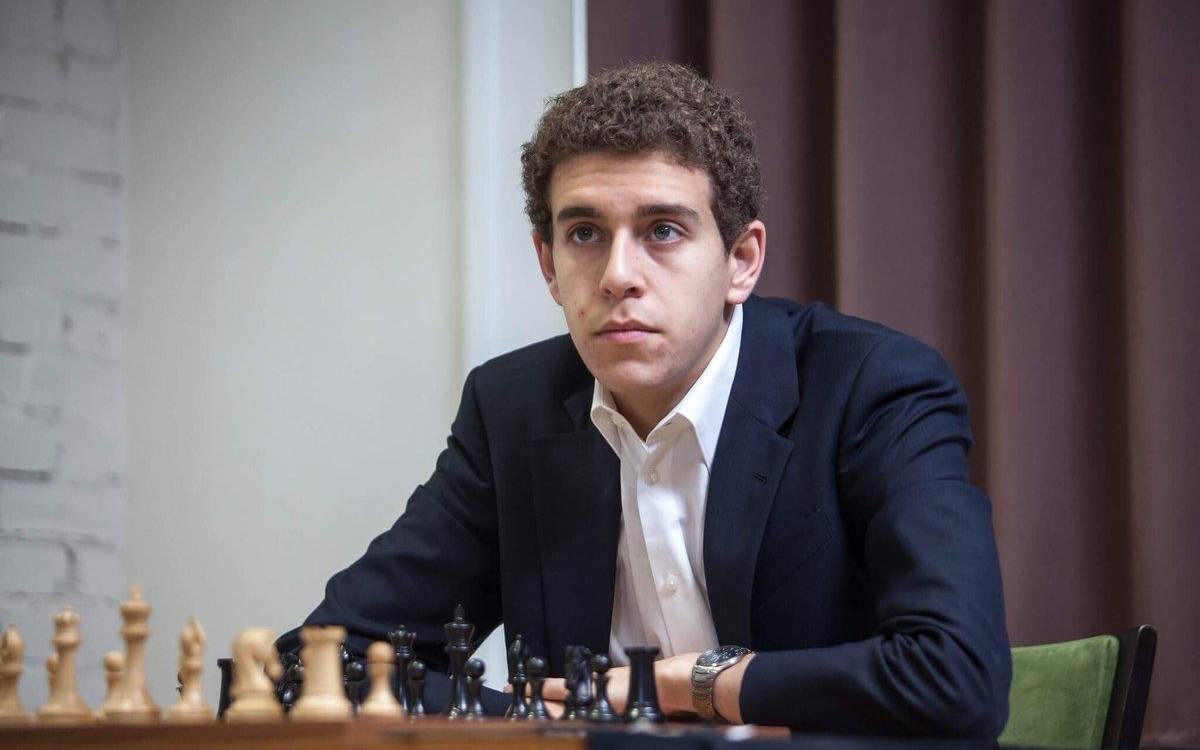
The chess world is in mourning following the shocking death of Daniel Naroditsky, a beloved U.S. chess grandmaster and online educator, who passed away at the age of 29. His sudden death comes after months of public pressure and unproven cheating accusations from former world champion Vladimir Kramnik — a feud that many believe deeply affected his mental health.
Born in California to Ukrainian and Azerbaijani immigrant parents, Naroditsky—known affectionately as “Danya”—was a chess prodigy who won the Under-12 World Youth Championship in 2007 and became a grandmaster by 18. Beyond the board, he was a teacher, streamer, and mentor, using YouTube and Twitch to make chess fun, educational, and accessible to millions. His insightful commentary, calm voice, and brilliant tactical mind made him one of the most respected figures in modern chess.
Yet behind the success, Naroditsky faced an emotional storm. Over the past year, Kramnik repeatedly accused him of using computer assistance in online games, claiming “statistical evidence” of cheating. Despite the absence of any official proof, these public allegations spread rapidly, drawing unwanted attention and online harassment toward Naroditsky. The accusations, while unverified, appeared to weigh heavily on him.
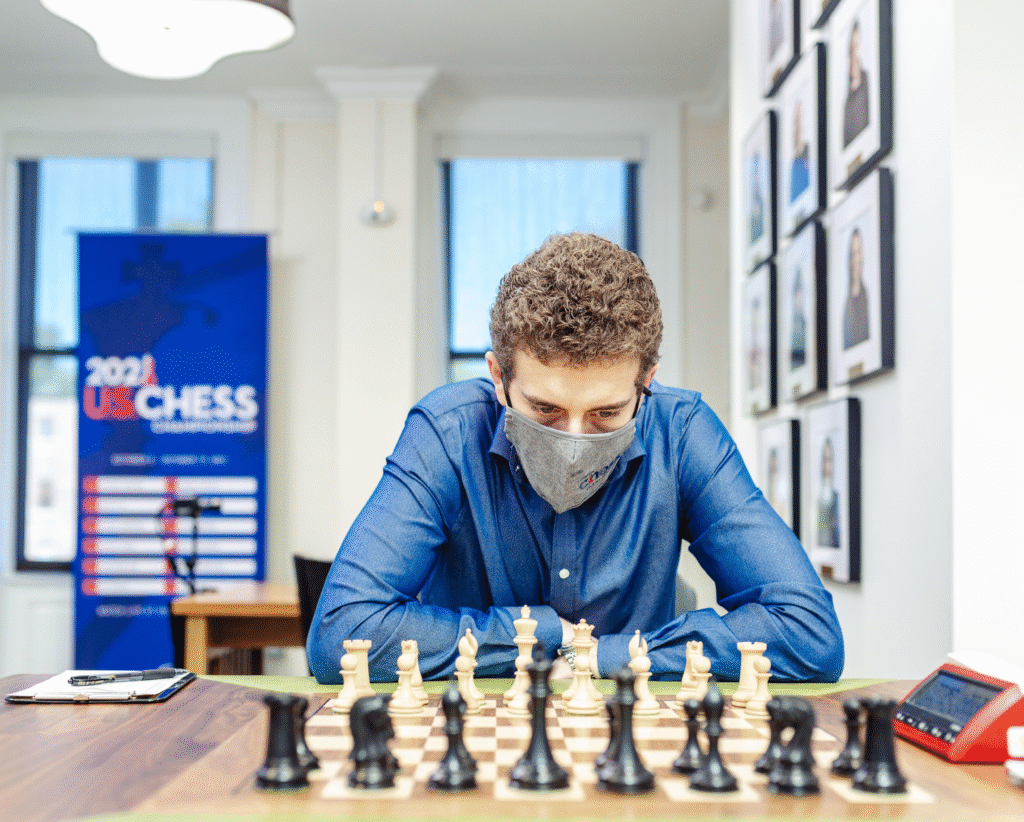
In interviews and livestreams, Naroditsky spoke candidly about the toll these attacks had taken. He described Kramnik’s actions as “morally worse than dirt,” saying that the campaign against him had become deeply personal. Just days before his passing, during what would become his final livestream, viewers noticed signs of exhaustion and distress. He nodded off mid-stream, his voice soft and weary, speaking of the heavy emotional burden he had been carrying.
Friends and fellow players were heartbroken. Indian grandmaster Nihal Sarin, who played Naroditsky in one of his final online games, expressed grief and anger, saying, “He has kind of literally taken a life,” referring to the damaging impact of Kramnik’s campaign. Others across the chess community called for greater accountability and compassion, urging the sport to reconsider how it handles public accusations in the digital era.
To those who knew him, Naroditsky was not only a grandmaster but also a mentor who cared deeply about growing the game. He volunteered his time teaching young players, wrote strategy books, and always ended his lessons with kindness and encouragement. His death has sparked an outpouring of tributes across social media — from students, fans, and even rivals — all remembering him as a rare soul whose brilliance was matched by his humility.
While the cause of death has not been publicly disclosed, the tragedy serves as a stark reminder of the unseen emotional cost that public figures often bear. Naroditsky’s story has reignited difficult questions about mental health in competitive chess — a world that demands perfection yet often overlooks the human behind the board.
In the wake of his death, chess organizations and mental-health advocates have called for reforms to protect players from online harassment and false accusations. The community is rallying under the message: “Let’s make chess a safer place.”
Daniel Naroditsky’s legacy is far greater than his rating or titles. He changed how people learn, play, and love chess. His warmth, intelligence, and integrity will continue to inspire generations of players. As one fan wrote, “He made us see the beauty of the game — and the humanity behind it.”
Rest in peace, Danya. Your moves will echo forever across the board. ♟️🕊️