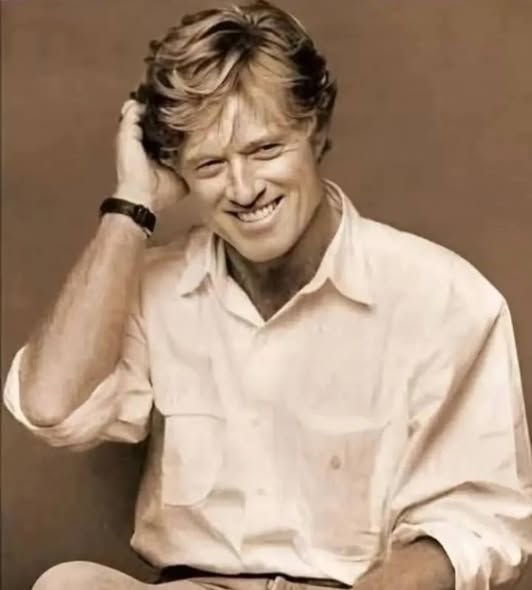
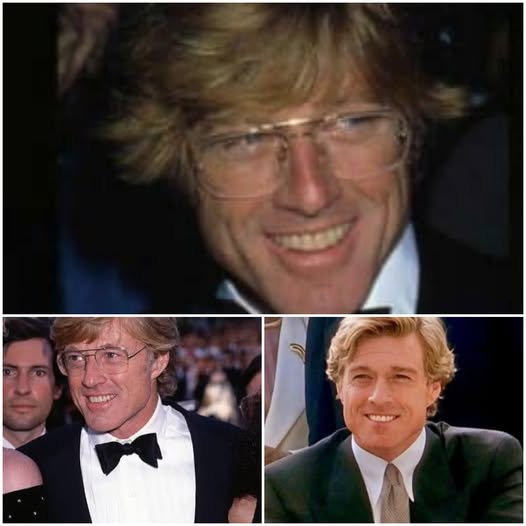
That unforgettable smile has never faded from public memory. Robert Redford’s face, often lit by quiet confidence and warmth, came to symbolize a particular era of Hollywood when charisma felt effortless and authenticity mattered. His presence on screen conveyed optimism, intelligence, and moral gravity. Long after his films premiered, that smile continues to evoke trust and admiration, reminding audiences of a star who connected deeply without relying on excess or spectacle.
Beyond physical charm, Redford possessed a rare on-screen magnetism. He did not dominate scenes through volume or aggression, but through stillness and intention. Whether playing an outlaw, a romantic lead, or a conflicted idealist, he brought emotional credibility that drew viewers in. Directors trusted him to anchor complex stories, and audiences believed him. This understated power became one of his defining artistic strengths.
Redford’s rise coincided with a transformative period in American cinema. Emerging in the 1960s, he represented a new kind of leading man—thoughtful, modern, and self-aware. Films like Butch Cassidy and the Sundance Kid and The Way We Were cemented his star status while revealing his sensitivity to character and theme. He was both a box-office draw and a serious actor, a balance few achieved so gracefully.
As his career matured, Redford increasingly chose roles that reflected social and political concerns. He gravitated toward stories about conscience, justice, and personal responsibility. Films such as All the President’s Men showcased his commitment to truth and democratic values, reinforcing his image as an artist engaged with the real world. His work suggested that cinema could entertain while also challenging audiences to think critically.
Redford’s influence expanded further when he moved behind the camera. As a director, he demonstrated restraint and respect for storytelling, favoring character-driven narratives over spectacle. His Academy Award–winning direction of Ordinary People revealed his deep understanding of emotional nuance. This transition confirmed that his talent extended well beyond performance, marking him as a complete filmmaker.
Perhaps his most enduring contribution came with the founding of the Sundance Film Festival. What began as a modest platform for independent voices grew into one of the world’s most influential film festivals. Sundance changed the landscape of cinema by giving visibility to filmmakers outside the studio system. Redford’s vision created opportunities for stories that might otherwise never have been told.
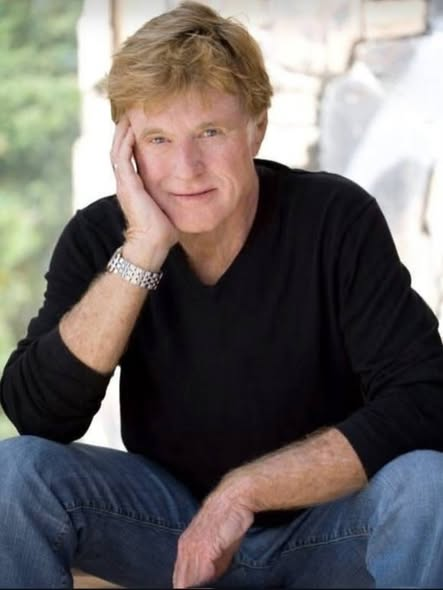
Through Sundance, Redford became a mentor rather than merely a star. He championed emerging artists, encouraging experimentation and diversity of perspective. His belief in creative independence helped redefine success in filmmaking, shifting attention from commercial formulas to authentic voices. Generations of directors and writers credit Sundance as a turning point in their careers, a testament to Redford’s long-term impact.
Equally significant was Redford’s dedication to environmental advocacy. Long before sustainability became a mainstream concern, he used his platform to speak about conservation and responsible development. His commitment was practical, not performative, reflected in both activism and personal choices. This alignment between belief and action strengthened his reputation as a principled public figure.
Redford’s humanity was evident in the way he navigated fame. He resisted excess publicity and maintained a private, grounded life. Colleagues often described him as thoughtful, generous, and deeply curious. Rather than chasing constant reinvention, he allowed his career to evolve naturally, guided by values rather than trends. This consistency earned him lasting respect within and beyond Hollywood.
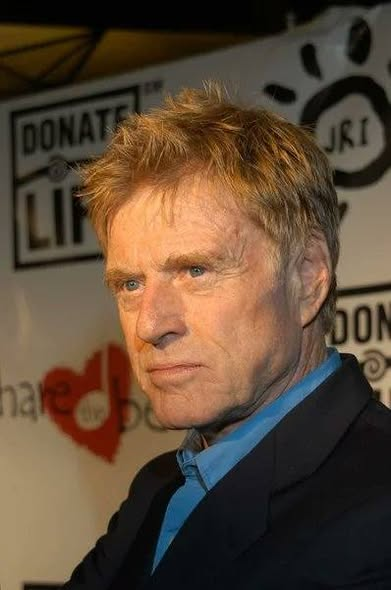
In later years, even as he stepped away from acting, Redford’s presence remained influential. His legacy lived on through the institutions he built, the films he supported, and the standards he set. Retirement did not diminish his relevance; it clarified it. He became a symbol of artistic integrity, reminding the industry of what longevity rooted in purpose looks like.
Robert Redford is not forgotten because his contributions were never fleeting. His smile, his performances, his advocacy, and his belief in independent voices continue to resonate. He stands as a rare figure who balanced stardom with substance, success with responsibility. In cinema and culture alike, his legacy endures as proof that art, when guided by conscience, can leave a lasting mark.