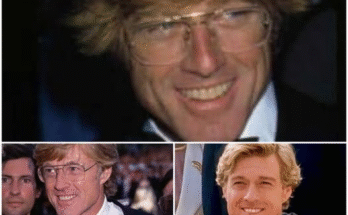
In the early 1960s, long before Robert Redford became synonymous with independent cinema and environmental advocacy, he was focused on something far more personal: creating a home. In 1961, Redford and his wife, Lola Van Wagenen, purchased two acres of untouched land in Provo Canyon, Utah. Nestled beneath Mount Timpanogos, the land offered isolation, natural beauty, and the promise of a quieter life away from Hollywood’s growing demands.
At the time, Redford was still establishing himself as an actor, balancing ambition with uncertainty. The decision to invest their savings in land was not taken lightly, especially for a young family. Lola initially questioned the risk, aware that the purchase represented nearly everything they had. Yet the allure of the landscape and the vision of building something with their own hands ultimately won them over, turning hesitation into resolve.
Rather than hiring builders, the couple chose a more demanding path. Redford took on much of the construction work himself, embracing the physical labor as part of the dream. By the summer of 1963, an A-frame house began to rise high on a slope, overlooking the canyon. The process was grueling, stretching over four months of constant effort, but it reflected their shared belief in self-reliance and simplicity.
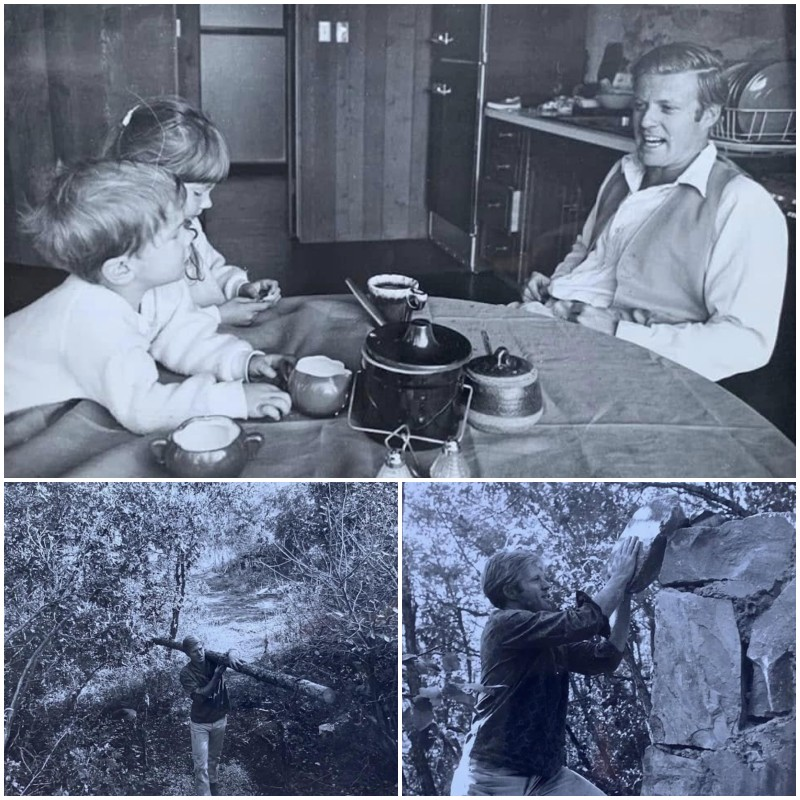
The home itself was far from modest in spirit. A striking three-story stone wall became its defining feature, anchored by a massive fireplace nearly four meters high. This fireplace would later symbolize the heart of the household, a place where warmth, conversation, and family life converged. Every stone and beam carried the mark of personal labor, turning the structure into a physical record of commitment.
During this period, the Redfords were also building a family. Their daughter Shauna was still young when the house was completed, and their son James was born shortly afterward. The home was designed not as a showcase, but as a living space where children could grow close to nature. It was a deliberate retreat from the pressures of fame, even before fame fully arrived.
Redford later described the land as a sanctuary, a quiet natural refuge that allowed his family to reconnect with fundamental rhythms of life. Surrounded by forests, wildlife, and mountain air, the home encouraged an intimacy with the environment that would profoundly shape his worldview. These years helped solidify Redford’s lifelong respect for conservation and responsible land stewardship.

What began as a personal refuge gradually evolved into something larger. As Redford’s career flourished, so did his desire to protect the surrounding land from unchecked development. Rather than selling or commercializing it in conventional ways, he envisioned a place that balanced human presence with environmental respect. This philosophy would eventually guide the creation of Sundance Mountain Resort.
Sundance was never intended to be a glamorous escape for celebrities. Instead, it emerged as a haven for artists, thinkers, and families seeking authenticity. Its foundations were deeply tied to the values forged during those early construction years: hard work, humility, and harmony with nature. The resort reflected Redford’s belief that creativity thrives best in spaces grounded in meaning.
Rare photographs from this period capture more than a famous name; they reveal a young family shaped by effort and idealism. Images of Redford working with tools, of Lola supporting the vision despite early doubts, and of children growing amid unfinished stone walls tell a story of patience and shared purpose. These moments feel intimate, almost timeless.
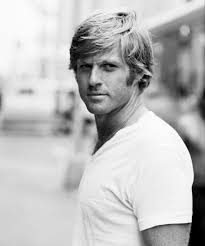
The Provo Canyon home stands as a quiet counterpoint to Hollywood mythology. Instead of red carpets and premieres, it represents calloused hands, long days of labor, and evenings by the fire. It reminds us that Redford’s legacy was built not only on screen performances, but on choices rooted in values, place, and family.
Today, Sundance is recognized worldwide, yet its origins remain deeply personal. They trace back to a young couple in the 1960s, taking a leap of faith in the shadow of Mount Timpanogos. In building their home, Robert and Lola Redford unknowingly laid the foundation for a cultural legacy that continues to honor nature, independence, and human connection.