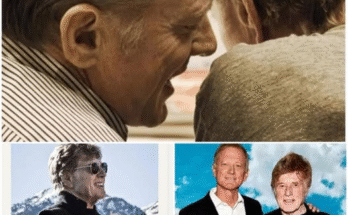
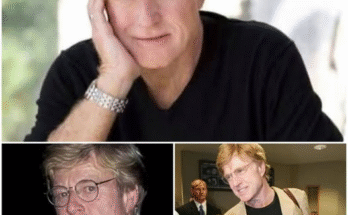
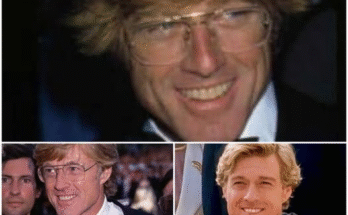
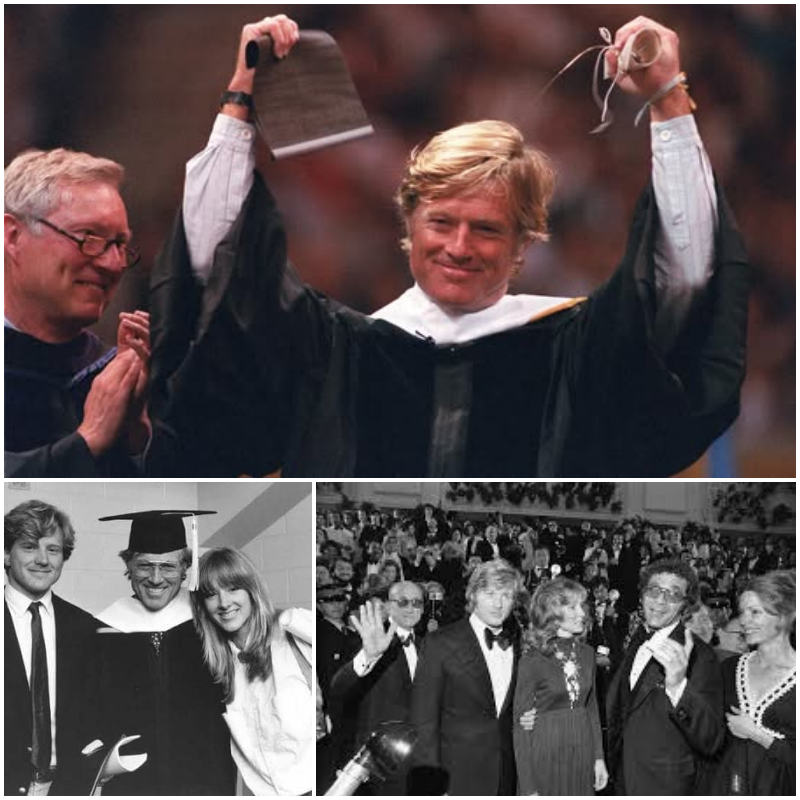
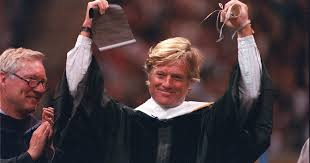
When Robert Redford accepted an honorary degree from the University of Colorado on May 13, 1987, the moment symbolized a full-circle return to a campus he once attended but never graduated from. The applause that day reflected not just his success in Hollywood but the admiration Coloradans felt for a native son who maintained a lifelong connection to the state. Redford’s humility, even in celebration, remains one of the most defining qualities of his public life.
Skinner Myers, an assistant professor in CU Boulder’s Cinema Studies Department, emphasized that Redford’s influence on filmmaking cannot be overstated. He explained that at a time when most films were confined to studio sets, Redford helped push production into the natural world. His early works demonstrated that landscapes were not just backdrops but living characters that enriched cinematic storytelling. Myers noted that this shift altered the expectations of filmmakers and audiences alike.
Myers credited Redford with inspiring a generation of directors to shoot on location rather than rely on artificial studio environments. With projects filmed in mountainous regions, deserts, and dense forests, Redford encouraged the idea that authenticity in setting could elevate narrative power. His approach showed filmmakers that nature itself could shape scenes, inform tone, and influence character dynamics. This stylistic evolution paved the way for more intimate, organic visual storytelling in American cinema.
John Cassavetes and other boundary-pushing filmmakers took note of Redford’s embrace of real-life settings. Myers said that Redford’s willingness to experiment with location shooting emboldened directors to trust their environments as creative partners. It marked a turning point for students and professionals alike, who saw firsthand how landscapes could enhance emotional realism. For young filmmakers, Redford’s work served as both a technical lesson and a philosophy about artistic openness.
Redford’s filmography contains some of the most iconic titles of the 20th century, including Butch Cassidy and the Sundance Kid, partially filmed in southwestern Colorado, All the President’s Men, Jeremiah Johnson, and The Sting. Beyond his acting achievements, he became a powerful advocate for environmental and social justice causes. His voice amplified issues affecting Indigenous communities, LGBTQ rights, and public land preservation, making him one of Hollywood’s most respected activist-artists.
In Colorado, Redford’s activism extended into electoral politics. He campaigned for several state candidates, including former President Barack Obama during a 2008 stop in Aurora. He also supported former Colorado Attorneys General Ken Salazar and Tom Strickland during their Senate bids. These efforts reflected his willingness to use his public platform to advance civic engagement and progressive change. For Redford, activism was inseparable from responsibility.
Myers observed that Redford’s example is increasingly rare in an era where fame often avoids political risk. He argued that Redford set a standard for socially engaged artists, demonstrating how influence can be used constructively. More than a celebrity endorsement, his activism felt grounded in principle. Myers said society needs more figures like Redford—individuals who understand the privilege of visibility and choose to use it for the common good.
Colorado Governor Jared Polis also paid tribute to Redford, acknowledging his trailblazing contributions to film and environmental advocacy. Polis said Redford “pushed film and arts forward,” revolutionizing Hollywood with his commitment to excellence and authenticity. The governor praised his ability to bring joy to global audiences while advocating passionately for the planet. Redford’s artistry, Polis noted, was matched by his generosity toward younger filmmakers and creative communities.
Polis highlighted Redford’s deep understanding of film’s power to inspire. Redford not only excelled as an actor but used his influence to uplift emerging talent. His founding of the Sundance Film Festival remains one of his most enduring legacies, giving independent filmmakers a global stage. Colorado’s excitement in welcoming the festival in 2027 underscores the lasting bond between the state and Redford’s creative vision.
Redford’s ties to Colorado ran far deeper than professional collaborations. He attended CU Boulder, worked at The Sink—a beloved campus restaurant—and forged connections that shaped his early years. Those bonds endured long after he left the state, reflected in his political advocacy, creative projects, and recurring visits. For many Coloradans, Redford felt less like a distant Hollywood figure and more like family.
As tributes continue, one theme emerges consistently: Redford’s legacy will be felt for generations. Through his films, activism, and the institutions he built, he reshaped American cinema and raised awareness around environmental protection. His influence continues to guide young filmmakers, political advocates, and communities who share his belief in art’s capacity to do good. Though he will be missed, the path he forged remains vibrant and enduring.