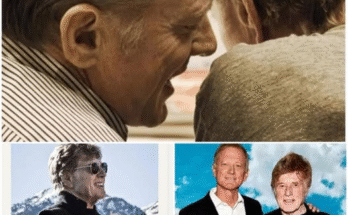
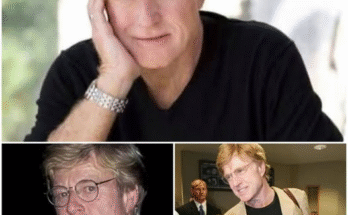
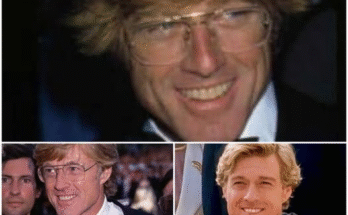
Robert Redford’s bond with horses was more than a personal passion—it was a defining thread woven throughout his life, career, and philosophy. Those who knew him often joked that he spent so much time in the saddle that he “practically lived on a horse.” Friends even teased him that horses were like “his own children,” reflecting the depth of his affection. But behind the humor was a truth: Redford’s relationship with horses was profoundly spiritual, rooted in respect and connection.
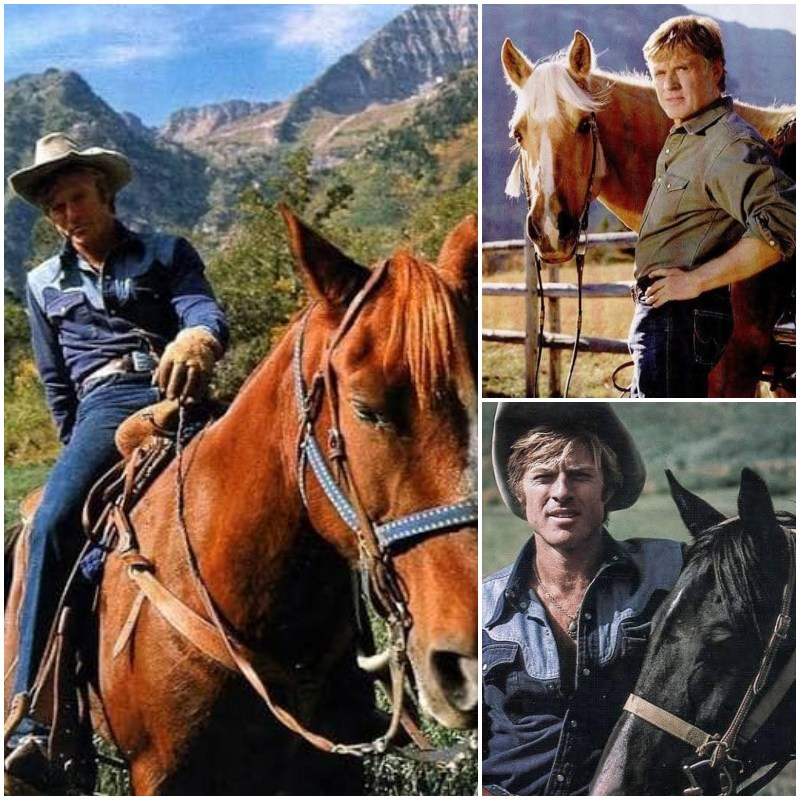
His love for horses began at age six, when he rode a pony for the first time. He later described the moment simply as “instant love,” a spark that would shape the course of his life. From that childhood memory grew a lifelong passion that encompassed film roles, personal experiences, and a commitment to equine welfare. Redford often said that horses helped him understand patience, communication, and humility.
On his Utah ranch, his connection with horses deepened. The ranch was not merely a home but a sanctuary where he ran a personal horse program. It became, in his words, a “base for our horse program, running clinics and serving as a home for our many beloved horses.” The wide-open spaces provided room for healing, training, and quiet companionship between Redford and his animals. It was a place where he felt most himself, surrounded by the creatures he admired.
His film career also reflected his profound affinity for horses. In The Horse Whisperer (1998), Redford sought authenticity above all else. Influenced heavily by real-life horse trainer Buck Brannaman, he absorbed the philosophy of listening rather than dominating—an approach grounded in empathy. Redford’s performance and direction in the film resonated because the connection he portrayed on screen was one he genuinely lived behind the scenes.
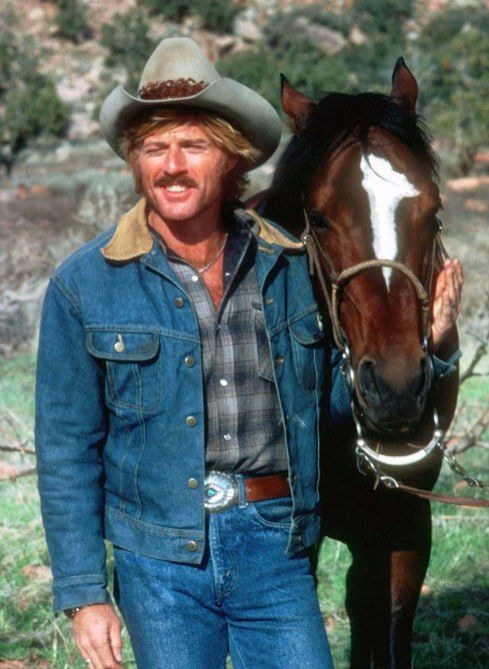
One of the horses that held a special place in Redford’s heart was Rising Star, his equine partner in The Electric Horseman (1979). After filming ended, he purchased the horse and kept him for 18 years. Their bond became one of the most enduring examples of Redford’s loyalty to the animals he worked with, proving that his affection extended far beyond the camera. Rising Star became part of his family in the truest sense.
Redford’s philosophy toward horses wasn’t about control but communication. He believed that listening was the cornerstone of trust, echoing Brannaman’s teachings. Horses, he said, respond to kindness, patience, and understanding—not force. This belief shaped his handling practices and influenced the clinics he supported on his ranch, where gentle methods were always at the forefront.
In the quiet of the mountains surrounding his property, Redford found solace. Riding for hours brought him peace, clarity, and a deep sense of freedom. He often described these rides as meditative, a way to reconnect with nature and escape the pressures of Hollywood. The rhythm of the saddle, the sound of hooves, and the open air created a space where he felt both grounded and liberated.
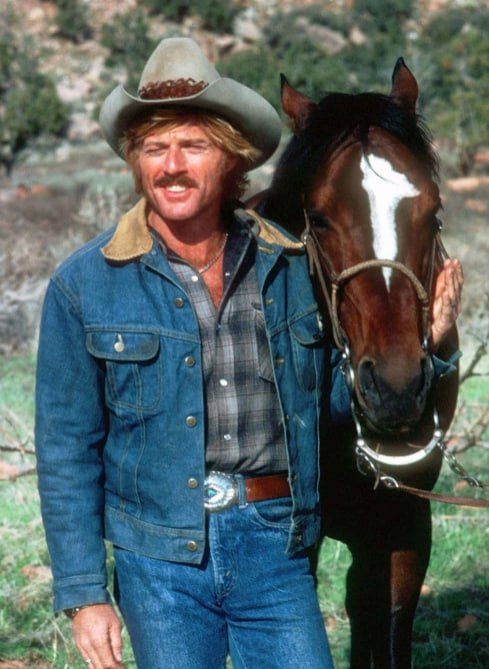
His advocacy for horse welfare grew naturally from his personal experiences. Redford became a vocal supporter of legislation protecting wild horses and worked closely with organizations dedicated to preserving America’s mustangs. He saw these animals as symbols of freedom and believed strongly in safeguarding their place in the landscape. His activism helped raise awareness for issues often overlooked by the public.
Redford’s bond with horses also influenced the way he approached storytelling. Many of his films carry themes of nature, resilience, and emotional honesty—qualities he believed horses embodied. Whether directing or acting, he brought a sensitivity shaped by years spent observing and understanding these powerful animals. Horses taught him to slow down, listen, and absorb the world around him.
Even his humor reflected his connection. Friends would laugh and tell him to “hold his horses,” a phrase that resonated more literally for him than most. The jokes were lighthearted, but they hinted at a deeper truth: Redford felt more at home among horses than among crowds or red carpets. To him, the animals were teachers, companions, and spiritual guides.
As years passed, Redford’s devotion to horses remained unwavering. His ranch continued to host clinics, rescue efforts, and training programs. The horses he raised and rehabilitated were treated not as property but as partners. His legacy as a horse advocate is inseparable from his identity—one of compassion, integrity, and deep respect for the natural world.
Robert Redford’s life with horses wasn’t a hobby. It was a love story—one marked by understanding, patience, and connection. His legacy in cinema is undeniable, but his legacy in the equine world is equally profound. To know Redford was to know the horses he cherished, the mountains he rode through, and the quiet wisdom he learned from every hoofbeat along the way.