Robert Redford’s performance in Brubaker (1980) remains one of the most compelling portrayals of moral courage in American cinema. Based on the real-life efforts of Arkansas prison reformer Thomas Murton, the film highlights systemic brutality and corruption while showcasing Redford’s extraordinary ability to merge quiet intensity with principled defiance. More than four decades later, his work in the film continues to resonate for its realism, emotional weight, and unwavering ethical clarity.
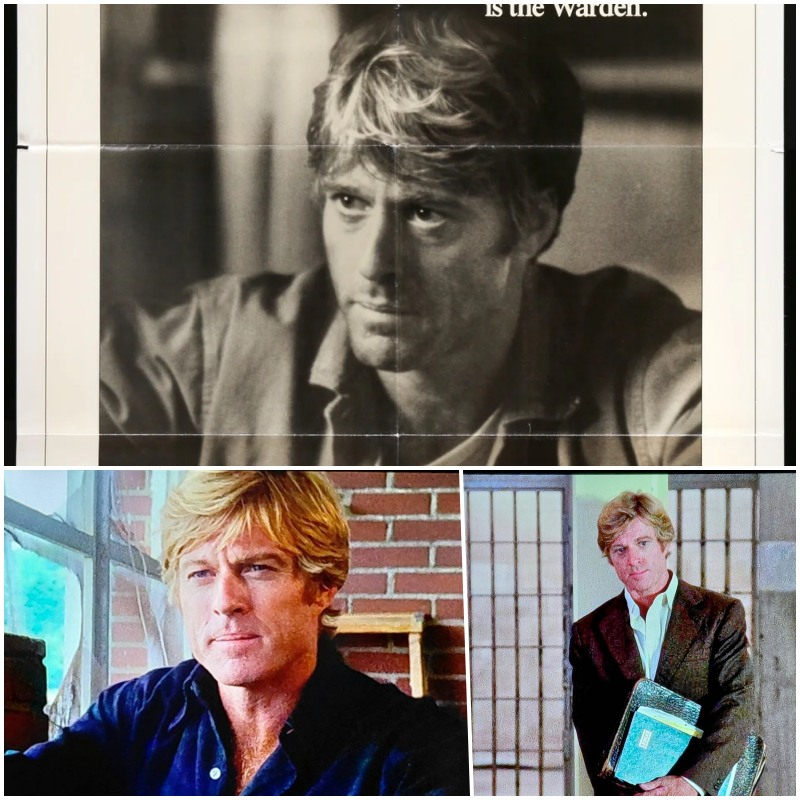
One reason Redford stands out is his commitment to authenticity. Rather than entering the story as a heroic savior, he begins undercover as an inmate, experiencing firsthand the degradation endured by prisoners. This choice grounds the film, making his later authority as warden feel earned rather than imposed. Redford’s physicality and restraint make each revelation more powerful and believable.
His performance also demonstrates a rare balance of vulnerability and strength. As Henry Brubaker, Redford shows fear, anger, and frustration without ever losing the character’s moral compass. His expressions often say more than dialogue, portraying a man overwhelmed by injustice yet unwilling to compromise. It’s a nuanced portrayal that elevates the story beyond typical prison dramas.
Another reason is Redford’s controlled intensity. He avoids melodrama, opting instead for a quiet fire that builds across the film. This approach makes his confrontations with corrupt officials, abusive guards, and resistant power structures feel all the more explosive. His presence anchors the narrative, giving the film emotional and political weight.
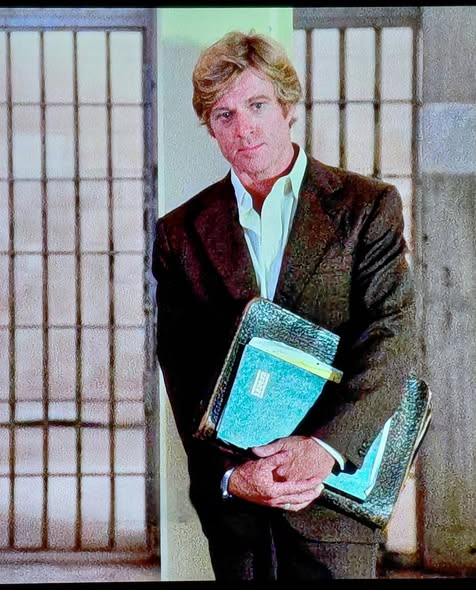
Redford’s chemistry with the supporting cast also enhances the film’s impact. Whether sharing scenes with prisoners seeking hope or officials determined to protect their power, he listens, reacts, and brings out the best in his co-stars. His leadership both on-screen and off-screen helped elevate the performances around him, creating a cohesive and believable ensemble.
The film also benefits from Redford’s ability to embody reformist ideals without appearing self-righteous. His Brubaker is firm but empathetic, idealistic yet realistic. He exposes corruption not for glory but because it is morally necessary. This sincerity makes the character deeply relatable, even for viewers far removed from the world of prison reform.
Redford’s dedication to socially conscious storytelling is another reason this film remains important. He has long used his platform to highlight injustice, environmental concerns, and human rights issues. Brubaker fits squarely into this legacy, offering a cinematic critique of institutional cruelty and the cost of speaking truth to power.
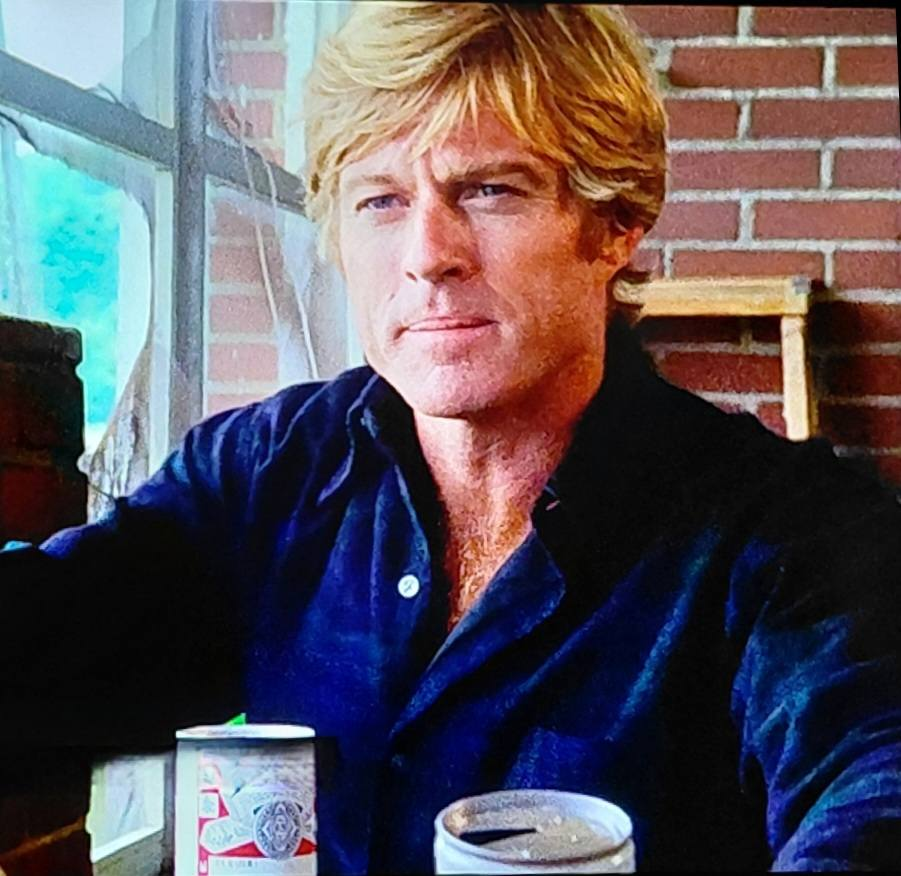
His portrayal also underscores the emotional toll of fighting a broken system. As Brubaker becomes increasingly isolated, overwhelmed, and targeted, Redford communicates the personal sacrifice of reformers. His exhaustion, disappointment, and anger feel painfully real, reminding audiences that change often comes at a heavy price.
The film’s realism owes much to Redford’s understated approach. He doesn’t play Brubaker as a flawless hero; instead, he is a man grappling with impossible moral choices. This portrayal humanizes the character and amplifies the tragedy of the true story behind the film—an exposé of abuse that shocked the nation yet faced fierce resistance.
Redford also brings a sense of dignity to the prisoners’ stories. He treats the characters with respect, highlighting their humanity rather than portraying them as stereotypes. His scenes with abused inmates and whistleblowers are especially memorable, strengthening the film’s emotional core and reinforcing its message of compassion.
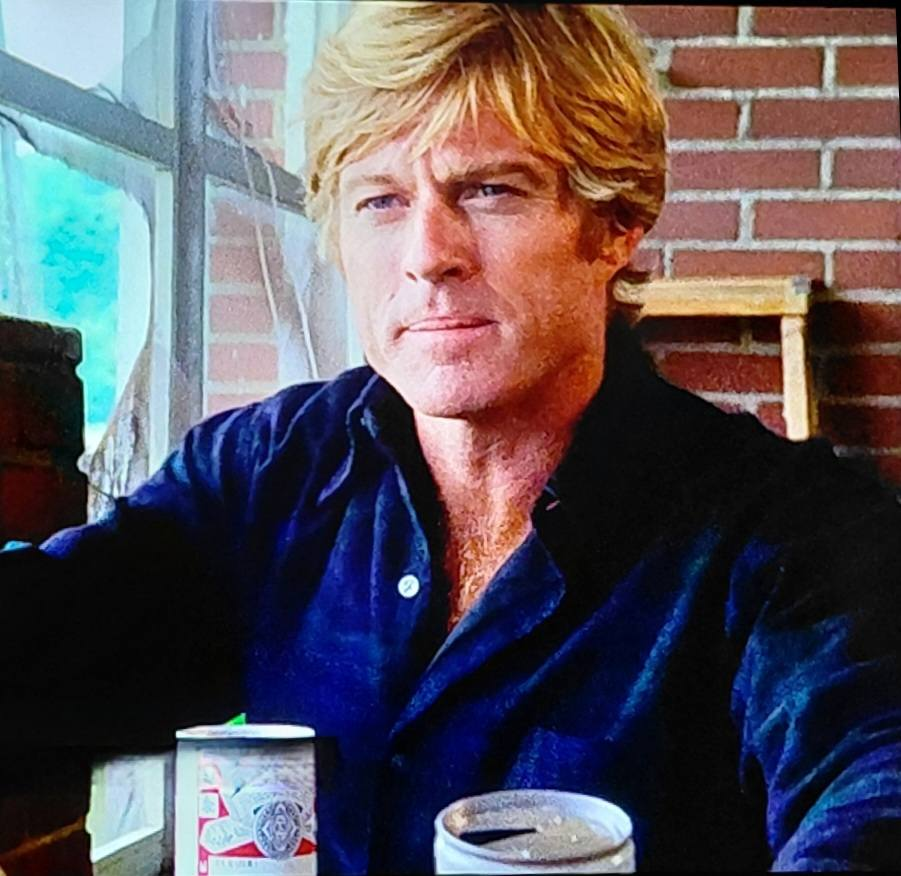
The courage in Redford’s performance reflects the courage of the real Thomas Murton, whose investigations uncovered mass graves and unimaginable cruelty. By honoring Murton’s legacy with honesty and emotional depth, Redford transforms Brubaker into both a gripping drama and a powerful call for reform—a blend only he could deliver.
Decades later, Brubaker remains essential viewing because of Redford’s conviction, empathy, and artistry. His performance stands as a reminder of cinema’s ability to illuminate injustice and celebrate those who dare to confront it. In Brubaker, Redford is not just an actor—he is the heartbeat of a story that still demands to be heard.