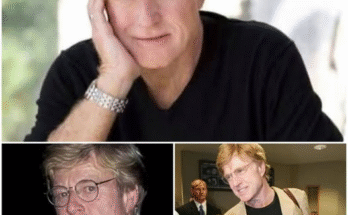
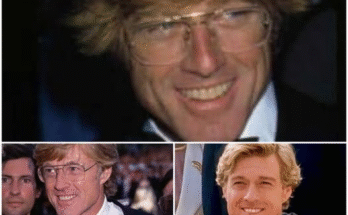
The battle to save the Santa Monica Pier in 1973 remains one of Southern California’s most compelling preservation stories. What began as a routine city decision about an aging structure quickly escalated into a full-scale civic revolt, ignited by suspicion, Hollywood spotlight, and a deep love for a cherished landmark. At the center of this unexpected drama stood actor Robert Redford, whose childhood memories of the pier helped shape one of the most remarkable turnarounds in local history.
In early 1973, the Santa Monica City Council voted 4–2 to demolish the pier, arguing that years of neglect had turned it into a safety hazard. Rising crime and deteriorating conditions were offered as justification. But residents immediately sensed something deeper beneath the surface. The vote didn’t just shock the community — it united them. It fueled a wave of public frustration toward local leadership that had grown increasingly opaque.
Many believed demolition was tied to the long-dormant “Harbor Island” project, a massive private development plan to build a 35-acre residential island on the water. Although the proposal was rejected by voters in 1967 — largely due to fears it would destroy ocean views and drain public funds — developers had quietly revived the idea. When rumors returned in 1972–73, the public saw the pier’s destruction not as an isolated decision but as the first domino toward redevelopment.
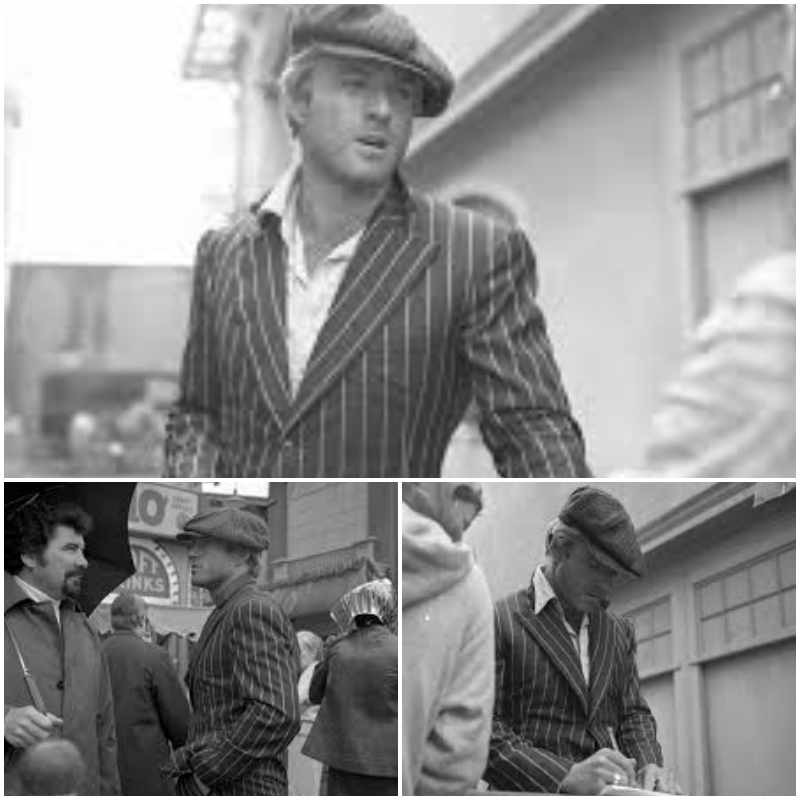
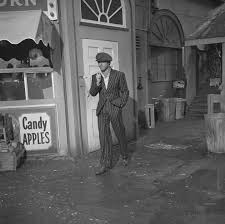
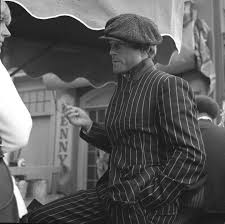
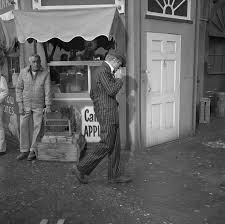
As anger simmered, Hollywood unexpectedly entered the scene. Universal Pictures had selected the Santa Monica Pier’s Looff Hippodrome as a filming location for The Sting, starring Paul Newman and local favorite Robert Redford. The timing was uncanny: While the film crew transformed the pier into 1930s Chicago, locals were fighting to prevent the structure from disappearing entirely. The overlap gave activists a moment they never anticipated — a world-famous advocate on their side.
Between takes, Redford visited vendors and shop owners who had been gathering signatures to challenge the demolition. Many simply asked for his autograph on their petition. Instead, he offered something far more powerful: his voice. In interviews with national press on set, he argued that the pier deserved restoration, not destruction. “I don’t see why the pier can’t be fixed up and preserved like a museum,” he told reporters, instantly amplifying the issue beyond Santa Monica.
Redford didn’t spare criticism for city officials. He openly questioned why leaders were quick to tear down historic places despite community opposition. His most striking warning — that “pretty soon the only historical landmark in L.A. will have to be on film” — became a rallying cry. His remarks validated public concerns and brought legitimacy to preservation efforts at a critical moment when morale was slipping.
The effect was immediate. Public pressure grew rapidly as newspapers picked up the story. Local meetings, once sparsely attended, became standing-room events. Residents who had never been politically active before joined the movement, sensing that the fate of the pier symbolized something larger — a right to shape the future of their own city. Activists weren’t just fighting for wood and pilings; they were fighting for identity.
Within weeks, the City Council reversed course. In a unanimous vote, members rescinded their earlier decision and halted demolition. It was a stunning victory, not only for the pier but also for grassroots activism. Santa Monica had shown that even against development pressures, a united community — bolstered by timely support from a beloved public figure — could prevail. The pier would go on to become one of California’s most iconic seaside landmarks.
Decades later, during the pier’s centennial celebration in 2009, Redford recalled the episode with humility. When asked about his role, he emphasized that “the centennial signifies that somebody had the power and strength to do the right thing against the tide of development.” He clarified that he wasn’t referring to himself. He meant the people of Santa Monica — the residents who organized, resisted, and refused to let their history be erased.
The truth, however, is that community power often grows stronger when supported by influential voices. Redford’s intervention didn’t overshadow the movement; it energized it. His presence gave locals confidence that the world was watching, and that their fight mattered. It transformed a local zoning issue into a symbol of cultural preservation, ultimately proving that celebrity activism, when rooted in authenticity, can be profoundly impactful.
Today, the Santa Monica Pier stands not just as a recreational landmark but as a monument to civic engagement. Visitors strolling its wooden planks may not realize how close it came to vanishing. Yet beneath the carnival lights and ocean breeze lies the legacy of ordinary residents who refused to stay silent — and a film star who believed that their effort was worth amplifying. Their combined determination preserved a piece of California history.
If any lesson emerges from this unlikely chapter, it is this: historic places survive when people choose to defend them. The pier’s story reminds us that communities can challenge powerful interests and win — especially when passion is paired with visibility. Thanks to that collective courage, Santa Monica still has its beloved pier, shining as brightly today as it did when a young Redford first walked its boards.